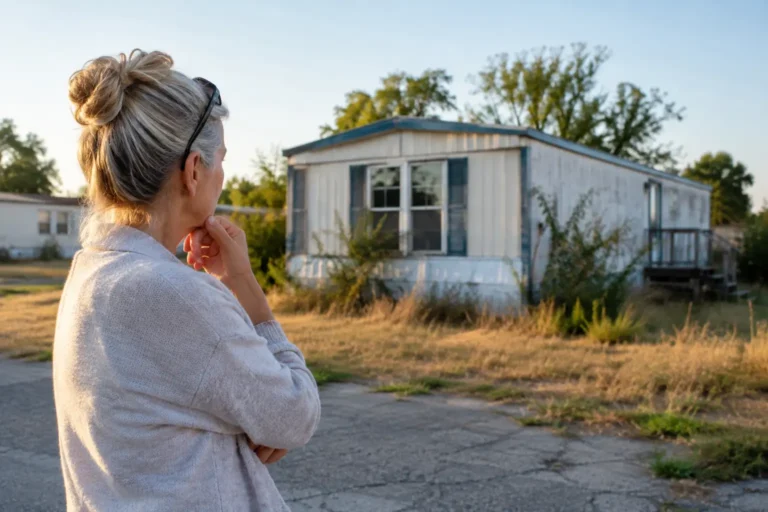

A mobile home can sit for weeks or months without a serious buyer, even when the owner feels the price is fair. In Central North Carolina, the top reasons mobile homes fail to sell usually have less to do with bad luck and more to do with a few predictable problems – price, paperwork, park approval, condition, or confusion about what is actually being sold.
That matters because mobile homes do not sell exactly like site-built houses. A delay that seems minor at first can turn into unpaid lot rent, storage costs, insurance risk, or another month of stress. If you want a clean sale, it helps to know where deals usually fall apart.
Top reasons mobile homes fail to sell in NC
The biggest mistake sellers make is treating a mobile home like a standard real estate listing. Sometimes the home is in a park and only the structure is being sold. Sometimes the home is on private land and the land changes the value. Sometimes the title is missing, the buyer needs park approval, or the home cannot be financed easily. Those details shape the entire sale.
A good-looking home can still fail to sell if the transaction is hard to complete. Buyers back away fast when they think the process will be confusing, expensive, or slow.
The price does not match the real market
Overpricing is one of the most common reasons a mobile home stalls. Sellers often compare their home to remodeled units, homes on land, or online asking prices that never turned into actual sales. A home may be worth less than expected if it needs repairs, sits in an older park, or has age-related lending limitations.
Underpricing can also create problems. It attracts bargain hunters who waste time, expect even deeper discounts, or assume something is seriously wrong. The goal is not just a low price or a high price. It is a believable price that fits the local market, the home’s condition, and how fast you need to sell.
The title and ownership paperwork are not clear
If the title is missing, incorrect, or still in someone else’s name, many buyers will not move forward. That is especially common with inherited homes, divorce situations, older homes that changed hands informally, or properties where the seller thought a bill of sale was enough.
In North Carolina, title issues can delay a sale longer than most owners expect. If there is a lien, a deceased owner, or missing transfer paperwork, the buyer may worry that they cannot legally take ownership. Even cash buyers who are willing to work through issues need clear facts before they commit.
Park rules block the buyer
When a home is in a mobile home park, the seller is not the only one involved. The park may need to approve the buyer, the home, or both. Some parks have age restrictions, credit requirements, background checks, occupancy rules, or standards for the condition of the home.
This is one of the top reasons mobile homes fail to sell after the seller already thought they had a deal. A buyer agrees on price, then gets denied by the park. Or the park will not allow the home to remain unless certain repairs are made. In some cases, the lot lease is behind, and that adds another layer of negotiation.
The home needs more work than buyers want to handle
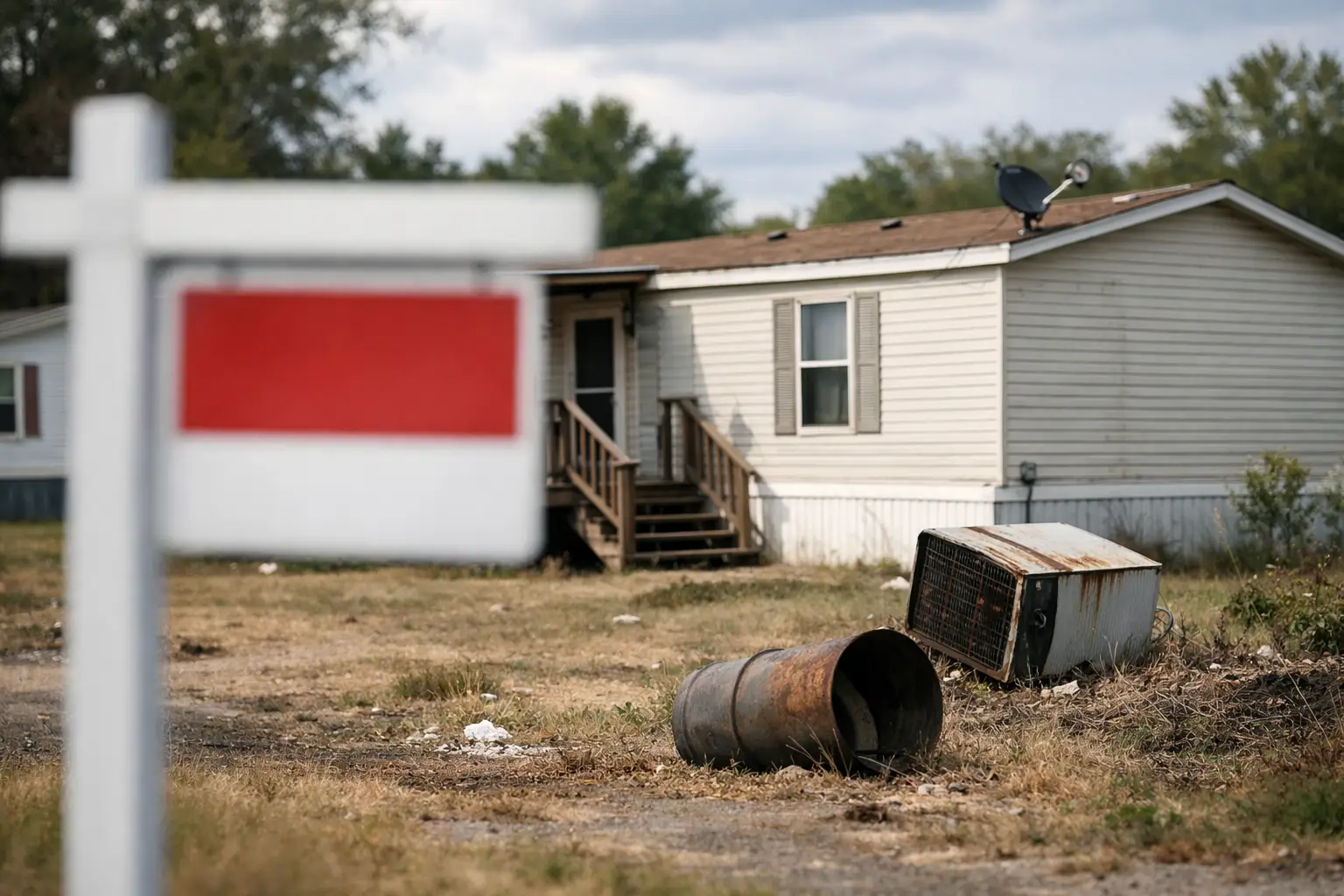
Most buyers say they are open to repairs until they see soft floors, roof leaks, plumbing issues, HVAC problems, wall damage, or signs of water intrusion. Then the math changes. Repair costs on a mobile home can add up quickly, and many buyers are not equipped to manage contractors, permits, materials, and transport-related requirements.
Cosmetic issues matter too. A dated kitchen, stained ceilings, broken skirting, damaged steps, or a strong odor can shrink the buyer pool fast. You do not always need a full renovation, but if the home looks neglected, buyers assume the hidden problems are worse.
Why buyers back out of mobile home deals
A stalled listing is one problem. A deal that almost closes and then collapses is another. Mobile home sales often fail in the middle because the buyer learns something late in the process that should have been addressed at the start.
Financing is limited
Financing for mobile homes is not as simple as many sellers think, especially for older homes, homes in parks, or homes not attached to land. Some lenders will not finance certain years, sizes, or locations. Others require the home to meet specific standards that it does not meet.
That means a financed buyer may seem solid at first and then get denied. If you are counting on a retail buyer, this is a real risk. Cash buyers usually remove that obstacle, which is why many sellers choose certainty over holding out for a higher number that may never close.
The home’s location changes the buyer pool
A mobile home on private land may appeal to one kind of buyer. A single-wide in a park with lot rent appeals to another. If the park has strict rules, a rural location, or weak maintenance, fewer buyers will be interested. If the home must be moved, the buyer pool gets even smaller because moving costs can be several thousand dollars and logistics are not simple.
Many sellers underestimate how much the setting affects demand. Two similar homes can get very different results based on whether the buyer can keep the home in place, what the monthly lot rent is, and how the community is managed.
Bad marketing attracts the wrong buyers
Poor photos, vague descriptions, missing measurements, and unclear terms make buyers suspicious. So does failing to explain whether the home is on land, in a park, or must be moved. If the listing leaves out key details, serious buyers move on and time-wasters fill your inbox.
This is where a lot of for-sale-by-owner listings fall apart. The seller may get plenty of messages but very few qualified buyers. Marketing a mobile home is not just about posting it online. It is about answering the exact questions buyers ask before they decide to schedule anything.
The seller is not ready for a fast decision
Some homes fail to sell because the seller is still sorting out what they want. They are unsure of the bottom-line number, unsure who has authority to sign, or unsure whether they want to repair the home first. That hesitation can kill momentum.
Buyers notice when a seller cannot answer basic questions about title, lot rent, taxes, repairs, or move-out timing. If the seller seems uncertain, buyers expect delays. Many decide it is easier to buy another home instead.
How to avoid the most common sale blockers
If you want to improve your odds of selling, start with the transaction, not just the appearance. Verify the title, confirm ownership, gather any park information, and be clear about whether the home includes land or not. If the home is in a park, find out the approval process before you spend weeks talking to buyers who may never qualify.
Next, price the home based on reality, not hope. That means accounting for condition, age, location, and whether the buyer will likely need cash. If the home needs work, be upfront. Buyers can handle bad news better than surprises.
It also helps to decide what kind of sale you want. If your priority is top dollar and you have time, money, and patience for repairs, cleaning, showings, and buyer fallout, listing may make sense. If your priority is speed, certainty, and less hassle, a direct buyer may be the better fit. For many owners dealing with inherited homes, back lot rent, title problems, or damage, that trade-off is worth it.
A company like Triad Mobile Homes LLC works with sellers in exactly those situations because the hard part is usually not finding a person who likes the home. The hard part is getting the paperwork, park requirements, condition issues, and closing details handled without dragging the sale out for months.
When a mobile home does not sell, the cost keeps growing
Every extra month has a price. That could mean more lot rent, more utility bills, more risk of vandalism, more weather damage, or more tension in a family situation. If the home is vacant, the condition usually gets worse, not better. If the home is inherited or tied to a divorce or relocation, delay adds pressure fast.
That is why the smartest move is often a simple one: identify the real blocker early. Is it the title? The park? The price? The repairs? The financing? Once you know that, you can make a clean decision instead of waiting on a buyer who may never actually close.
If your mobile home has been hard to sell, it does not always mean the home is unsellable. More often, it means the sale needs a more direct plan, fewer unknowns, and a buyer who understands how manufactured housing deals really work.