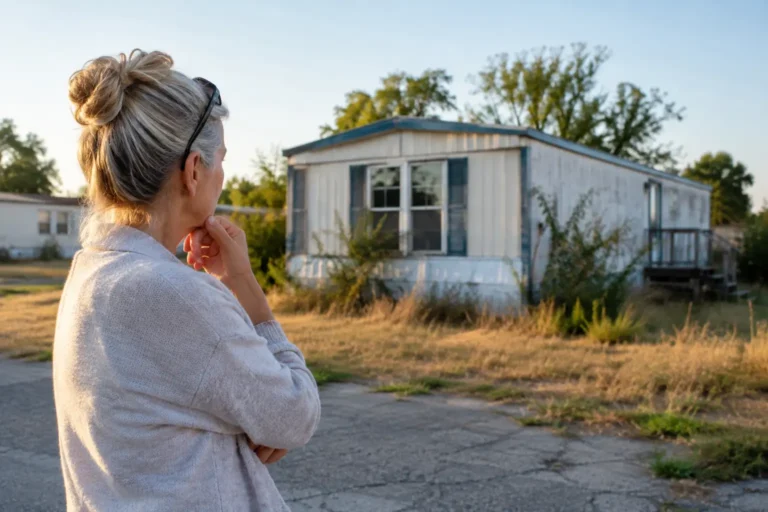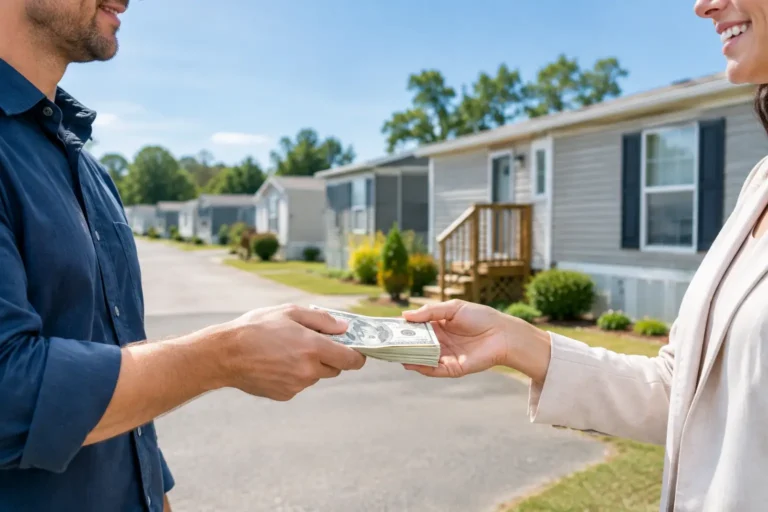

If you’re asking who buys old manufactured homes, you’re probably not asking out of curiosity. Usually, there is a reason the sale needs to happen soon. Maybe the home needs repairs, the park is putting pressure on you, a family member inherited it, or you’re just done dealing with it. The good news is that old manufactured homes do sell. The harder truth is that not every buyer is a real fit.
Age, condition, title status, and location all matter more with manufactured homes than with site-built houses. A home from the 1980s in a mobile home park has a different buyer pool than a double-wide on private land with a clean title. That is why it helps to understand not just who might buy your home, but who is actually likely to close.
Who buys old manufactured homes in real life?
There are several types of buyers in this market, and each one comes with trade-offs.
The first group is direct cash buyers. These are companies or local buyers who specialize in manufactured homes and buy them as-is. They are usually the best fit for sellers who want speed, certainty, and less back-and-forth. If the home needs work, has been sitting vacant, or comes with paperwork issues, this type of buyer is often the most realistic option.
The second group is individual buyers looking for affordable housing. These buyers may want to live in the home themselves or place it on land they already own. They can be a good fit if the home is in decent shape and priced right. The downside is that many first-time buyers do not understand manufactured home titles, park rules, moving costs, or lender limitations. A lot of deals stall here.
The third group is investors. Some investors buy old manufactured homes to renovate and resell. Others buy them to keep as rentals where local rules allow it. They can move quickly, but they are price-sensitive. If major repairs are needed, they will factor that in heavily.
The fourth group is park-related buyers or buyers sourced through community networks. In some cases, a buyer already wants to get into a specific park because of the location, lot rent, or school district. That can work well, but park approval still matters. A willing buyer is not the same thing as an approved buyer.
Why old manufactured homes are harder to sell
Most sellers find out pretty quickly that an old manufactured home is not hard to sell because nobody wants it. It is harder to sell because the transaction itself has more moving parts.
If the title is missing, not transferred correctly, or still in a deceased owner’s name, that slows things down. If the home is in a park, the park may need to approve the buyer before the sale can close. If the home needs to be moved, transportation, permits, setup costs, and whether the home can legally be moved at its age all become part of the conversation.
Then there is financing. Many banks will not lend on older manufactured homes, especially if the home is personal property instead of real estate. That knocks out a large chunk of retail buyers. Cash buyers stay in the picture because they are not waiting on traditional financing.
Condition matters too, but not always the way sellers think. Cosmetic issues are one thing. Soft floors, roof leaks, plumbing damage, missing HVAC, fire damage, or unpermitted additions are another. Older homes can still sell with these problems, but the buyer pool gets smaller as the risk goes up.
What kind of old manufactured homes do buyers want?
There is no single answer, because different buyers want different things. A handyman buyer may be fine with repairs if the price leaves room for it. A park buyer may care more about lot location and whether the home can stay in place. A direct buyer may be more focused on whether the title can be cleared and whether the numbers work.
In general, buyers respond better when the seller can clearly answer a few basic questions. What year is the home? Is it a single-wide or double-wide? Is it in a park or on private land? Is the title available? Does the home need major repairs? Are taxes, lot rent, or payments behind?
You do not need a perfect home to get interest. You do need accurate information. Old manufactured home sales fall apart when surprises show up late.
Who buys old manufactured homes fast?
If speed matters most, direct local buyers are usually the strongest option. They are built for sellers who do not want to list, clean, repair, wait on financing, or coordinate showings. In many cases, they can make a fair cash offer quickly and handle the paperwork side with much less friction.
That matters more than people expect. A slower buyer may offer a higher price on paper, but if they need financing, want inspections, ask for repairs, or fail park approval, that higher number may never turn into a real closing. A lower but firm cash offer can be the better outcome when time and certainty are the priority.
This is especially true in situations involving divorce, inheritance, eviction risk, repossession, storm damage, tenant damage, or a vacant home that is getting worse by the month. In those cases, the best buyer is often the one who can actually finish the deal.
What affects the offer on an old manufactured home?
Sellers often want to know why offers can vary so much. The short answer is risk, cost, and resale potential.
The home’s age plays a role, but age alone does not decide value. A well-kept older home with a clear title and good location may be easier to sell than a newer home with major damage and paperwork problems. Condition, of course, matters. So does whether the home stays where it is or needs to be moved.
Location is huge. A home in a desirable park in the Greensboro, Winston-Salem, or High Point area may attract stronger interest than the same home in a less active market. Lot rent, park rules, and whether the park allows older homes to remain can all affect value.
Title issues can reduce offers because they create delay and uncertainty. The same is true for back taxes, unpaid lot rent, liens, or ownership disputes. None of these always kill a deal, but they do change how a buyer evaluates it.
Should you sell it yourself or sell to a specialist?
It depends on what you need most.
If your home is in solid shape, the title is clean, the park will approve new buyers easily, and you have time to market it, selling it yourself may work. You might get more money by finding the right end buyer. But you will also need to answer messages, no-show appointments, negotiate, collect documents, and figure out who is serious.
If the home has problems or you simply want it done, a specialist is usually the better path. A local manufactured home buyer understands the issues that make these sales tricky. They know how to evaluate move risk, title transfer problems, park communication, and repair costs. More importantly, they know how to keep the process moving.
That is often where sellers save more than they realize. Avoiding months of lot rent, maintenance, and uncertainty can offset taking a lower top-line price.
How to tell if a buyer is legitimate
Not every person who says they buy old manufactured homes is prepared to close. Ask direct questions.
Do they buy as-is? Can they handle title issues or help explain the next step? Have they bought in your area before? Do they understand park approval requirements? How quickly can they make an offer, and what would delay closing?
A serious buyer will give clear answers. They will not be vague about timing, process, or what they need from you. They should also be honest if the home has issues that affect value. Straight talk is a good sign.
In Central North Carolina, sellers often do best with a buyer who knows the local parks, paperwork, and market conditions. Triad Mobile Homes LLC is one example of the kind of local specialist sellers look for when they want a fair cash offer without repairs, listings, or drawn-out negotiations.
The best next step if you need to sell
If you’re still wondering who buys old manufactured homes, start by being realistic about your home and your timeline. If you need top dollar and have time, you can test the market. If you need certainty, less hassle, and a faster close, focus on buyers who deal with older manufactured homes every day.
The right buyer is not just someone willing to make an offer. It is someone who understands the hard parts, gives you a straightforward number, and can carry the sale from first call to closing without creating more stress. When the situation is complicated, simple is worth a lot.