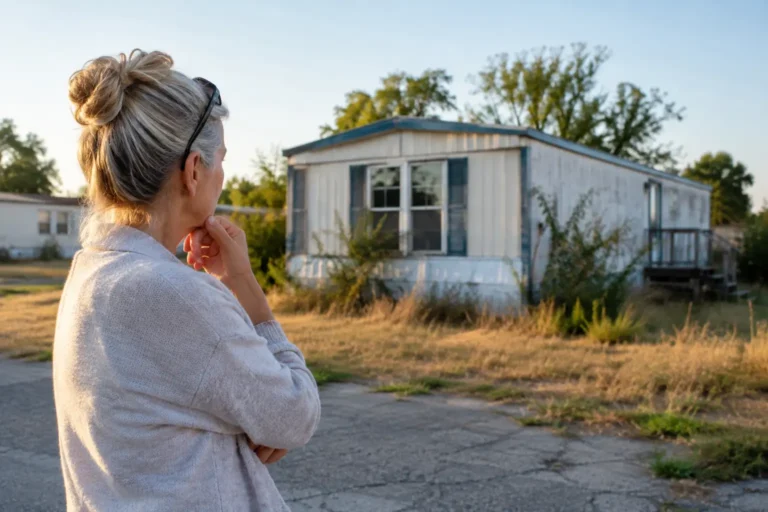


A leaking roof, unpaid lot rent, a vacant inherited home, or an upcoming move can turn a mobile home sale into a problem that needs a quick answer. Cash buyers give owners another path: sell directly, skip the usual listing process, and know where they stand without waiting for a financed buyer to get approved.
That does not mean every cash offer is automatically the right offer. A direct sale should be clear, fair for the home’s condition and situation, and backed by a buyer who understands the extra details that come with manufactured homes in North Carolina. Here is what to expect before you decide whether a cash sale makes sense.
What Cash Buyers Actually Do
Cash buyers purchase a home using available funds rather than relying on a bank mortgage. For a mobile or manufactured home seller, that can remove one of the biggest sources of uncertainty in a traditional sale: financing delays or a buyer whose loan falls apart right before closing.
The process is often simpler because the buyer is evaluating the home as it sits. You generally do not need to spend weeks repainting, replacing flooring, cleaning out every room, or scheduling repeated showings. A legitimate buyer will still need accurate information about the home, its title, its location, its condition, and whether it is in a mobile home community or on private land. But the goal is to solve the sale, not to turn your home into a retail-ready listing.
For owners who need top dollar and have time to make repairs, market the home, and wait for the right buyer, listing may still be the better route. A cash sale is usually best when speed, certainty, and less work matter more than trying to reach the highest possible retail price.
When a Cash Sale Can Make Sense
There is no single reason people sell. In Central North Carolina, many owners contact a direct buyer because the home has become difficult to manage, not because they simply want to move.
Maybe you are relocating for work and cannot stay through a long sales process. Maybe you inherited a home in Greensboro, Winston-Salem, or High Point and live in another state. You may be behind on payments or lot rent, dealing with a divorce, facing repossession, or trying to sell a home with damage after a storm or a tenant move-out.
In these situations, time has a real cost. An empty home can keep collecting lot rent, taxes, insurance, utility bills, and maintenance issues. Waiting for a retail buyer can also mean more uncertainty if the park has buyer approval requirements or the home needs repairs before it can qualify for financing.
A direct cash offer gives you a defined option. You can review the number, the timeline, and the terms, then decide without pressure. If it does not work for you, you can say no.
What Affects a Fair Cash Offer
A fair offer is not based on the home alone. Manufactured housing has details that can significantly change the value, cost, and difficulty of a sale. A buyer who gives a number without asking the right questions may not be prepared to close.
The home’s age, size, manufacturer, overall condition, and repair needs are all part of the picture. So are the title status, whether the home is personal property or attached to land, and whether there is a loan or lien that must be paid off. Missing titles and ownership paperwork do not always stop a sale, but they do need to be addressed honestly from the start.
Location matters just as much. A home in a park may require community approval for a new resident, have specific rules about age or condition, or face restrictions on moving the home out. A home on private land can involve land ownership, permits, utilities, septic systems, and whether the sale includes the land or the home only.
The practical cost to the buyer matters too. If the home needs to be moved, transport, setup, permits, utility disconnects, and site preparation can be expensive. If it needs extensive repairs, those costs affect the offer. A lower offer is not always a bad-faith offer if it accounts for real work and risk. What matters is whether the buyer explains the factors clearly and makes terms they can actually deliver on.
Questions to Ask Before Accepting
You do not need to be a mobile home expert to protect yourself. You do need direct answers. Ask whether the buyer is purchasing the home as-is, who will handle title transfer paperwork, and whether there are any fees deducted from your payment at closing.
Also ask about the timeline. “Fast closing” should mean something specific. Find out what information is needed from you, when the buyer can inspect or view the home, and when you will receive payment. If the home is in a community, ask who will coordinate with the park and whether you need to take any action with management.
Be cautious if someone pressures you to sign immediately, will not put the offer in writing, or keeps changing the price after agreeing to terms. A professional buyer can be straightforward about condition issues without using them as a reason for endless last-minute reductions.
You should also understand what happens to items left behind. Many sellers need help with a home that is full of belongings, damaged furniture, or old appliances. Confirm whether the buyer accepts the home with remaining contents or whether you are expected to remove everything before closing.
The Direct-Sale Process Should Be Simple
A good cash sale does not require a stack of surprises. It should start with a short conversation about your home: where it is located, its year and size, its general condition, whether you have the title, and what is creating urgency for you.
Next, the buyer reviews the details and may schedule a visit or request photos. This is where local manufactured-home knowledge matters. A buyer should look at the home, the community rules if applicable, title and lien issues, and any moving or repair needs before presenting a final offer.
Then you review the offer. There should be no obligation to accept it. If the price and terms work for you, the closing process begins. The buyer should explain the paperwork, coordinate the next steps, and make sure you understand when you will be paid. With Triad Mobile Homes LLC, sellers can start by sharing basic property details and receive a no-pressure cash offer quickly, often within 24 hours.
Cash Buyers Versus Selling It Yourself
Selling a mobile home yourself can work when you have time, a clean home, clear paperwork, and confidence dealing with inquiries. You may market it through local community contacts or online marketplaces, take calls, show the home, screen buyers, negotiate, and work through title transfer and park approval requirements.
That approach can potentially bring a higher price, but it also puts the work and risk on you. Buyers may not show up. They may offer less than expected. They may need financing, want repairs, or fail community screening. Meanwhile, you are still responsible for the home and ongoing costs.
Cash buyers trade some of that upside for convenience and certainty. There are no realtor commissions, listing fees, open houses, or repeated showings. In many cases, you can sell in current condition and move forward on a timeline that fits your situation. It is a business decision, and the right answer depends on what you need most right now.
Complicated Does Not Mean Unsellable
Owners often wait too long because they assume a title problem, old home, repair issue, or park situation means nobody will buy. That is not always true. These problems can affect the price and the process, but an experienced local buyer may know how to work through them.
The best first step is to be upfront. Share what you know about the title, payments, lot rent, damage, liens, and any notices you have received. Clear information helps a buyer make a realistic offer and prevents delays later. You do not need to fix every issue before asking for help.
If selling has been sitting on your to-do list because the situation feels too messy, get the facts before making assumptions. A fair cash offer gives you a real number, a real timeline, and a chance to move on without carrying the problem any longer.