

A storm can turn a manageable mobile home sale into an urgent problem overnight. A leaking roof, fallen limb, wet floors, damaged skirting, or a park notice can leave an owner wondering who would buy the home as-is. This example fast sale after storm damage shows what a realistic path can look like when speed and certainty matter more than fixing every issue first.
An Example Fast Sale After Storm Damage
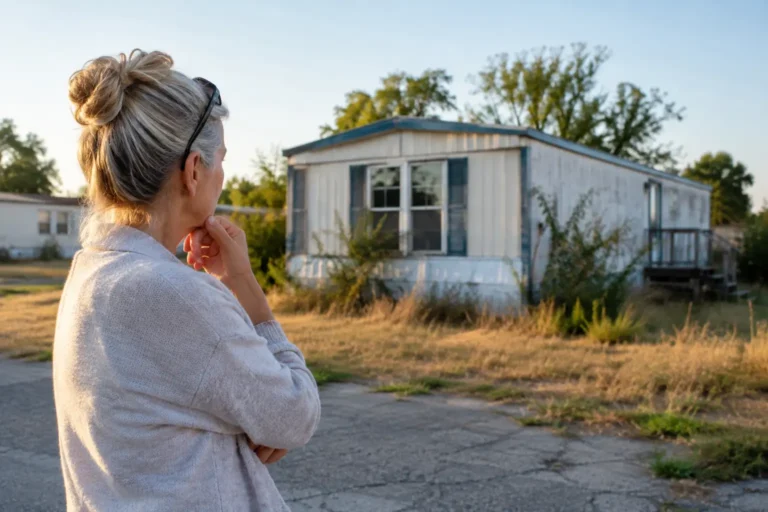
Consider a homeowner in the Greensboro area whose older single-wide was damaged during a heavy wind and rainstorm. A branch struck one end of the roof, water entered through the ceiling, and part of the living room floor became soft. The home was in a mobile home park, and the owner was already preparing to relocate for work within a few weeks.
The owner had homeowner’s insurance, but the claim process was still underway. They did not have the cash or time to wait for an adjuster, hire a roofing crew, replace flooring, clean up water damage, and list the home. They also knew that a traditional buyer could request inspections, negotiate repairs, or back out once the damage became clear.
Instead of putting money into a home they needed to leave behind, the owner requested a cash offer from a local manufactured home buyer. They provided the home’s year, make, approximate condition, park location, photos of the roof and interior damage, and information about the title and lot rent.
Within a day, the buyer reviewed the details and asked a few direct questions: Was the title available? Was the home current on lot rent? Did the park allow a buyer to keep the home in place? Was there active leaking, visible mold, or structural damage beyond the affected area?
Those answers mattered because storm damage is only one part of a mobile home transaction. The buyer also needed to understand the park’s rules, whether the home could stay where it was, and what paperwork would be required to transfer ownership. Once the buyer confirmed the situation, they made a fair cash offer based on the home’s age, location, market demand, park requirements, expected repairs, and the cost of handling the damaged condition.
The owner accepted an as-is sale. No repairs were required. No open houses were scheduled. No agent commission came out of the sale price. After the title and park paperwork were addressed, the closing was scheduled around the owner’s moving date. The seller received cash at closing and was able to move forward without taking on a repair project they could not manage.
That is the central point of a fast sale after storm damage: the sale is not based on pretending the damage does not exist. It is based on finding a buyer who understands the condition, prices the risk honestly, and has a workable plan for the property.
Why Storm-Damaged Mobile Homes Can Be Hard to Sell
Mobile homes and manufactured homes have selling challenges that do not always apply to site-built houses. In a mobile home park, the buyer may need park approval. If the home must be moved, transport costs and setup requirements can change the value quickly. If the title is missing, there may be extra steps before a transfer can happen.
Storm damage adds another layer. Water intrusion can create concerns that are not obvious from outside. A roof patch may be simple, but soft subflooring, damaged insulation, electrical exposure, or mold remediation can be more expensive. Buyers who need financing are often less willing to take on those unknowns.
That does not mean the home has no value. It means the right buyer must be prepared to evaluate the whole situation. A cash buyer who regularly works with damaged manufactured homes can account for repairs, title work, park communication, cleanup, and buyer sourcing when needed.
What Makes a Fast Sale Possible
Fast does not mean careless. The quickest transactions usually happen when the seller gives clear information early and both sides deal with the real condition of the home.
Start by documenting the damage. Take photos of the roof, ceilings, floors, exterior, skirting, windows, and any affected rooms. If you have insurance paperwork, contractor estimates, or photos from before the storm, keep those available. You do not need to create a polished listing. Straightforward information helps a serious buyer make a decision faster.
Next, locate your ownership documents. In North Carolina, the title is a major part of many manufactured home sales. If you cannot find it, do not assume the sale is impossible. Let the buyer know immediately so the replacement or transfer process can be discussed before closing.
If your home is in a park, check your current lot rent status and ask what the community requires from a new buyer. Some parks require applications, background checks, or proof that the home meets certain standards. Others may require the home to be moved if it cannot remain in the community. These details affect timing, but they are manageable when addressed upfront.
Finally, be clear about your timeline. If you are facing a move date, late lot rent, an insurance deadline, or a vacant home that could suffer more damage, say so. A serious buyer can tell you whether the timeline is realistic instead of making vague promises.
Cash Offer Versus Repairing and Listing
Repairing first can make sense when the damage is limited, you have the funds available, and the home is in a strong location where upgrades are likely to improve the final sale price. If the roof needs a small repair and the interior is otherwise clean and dry, taking time to fix it may bring more interest from retail buyers.
But that route has costs. You may need to pay contractors before seeing any return. Repairs can uncover additional problems. A listed home can sit for weeks or months, especially if buyers need financing or the park has strict approval rules. You may also have continuing lot rent, utilities, insurance, and cleanup costs while you wait.
A direct cash sale generally brings a lower price than a fully repaired retail sale because the buyer takes on the repair cost and risk. For many sellers, that trade-off is worthwhile. They are not looking for the highest possible number after months of work. They need a known number, a clear closing date, and a way to stop carrying the problem.
Questions to Ask Before Accepting an Offer
A fair offer should come with straightforward answers. Ask whether the buyer is purchasing the home as-is, whether you will need to make repairs or remove belongings, and whether there are any fees or commissions. Ask how title issues, park approval, and any move coordination will be handled.
You should also ask what could delay closing. A buyer who is honest about possible obstacles is more useful than one who promises an unrealistic same-day closing without reviewing the title, park rules, or home condition. No-pressure, no-obligation conversations give you room to compare your options.
For owners across Central North Carolina, Triad Mobile Homes LLC can review storm-damaged mobile homes and explain the practical next step. Sometimes that means a direct cash offer. In other situations, it may mean helping identify a buyer through local mobile home community channels when that better fits the home and location.
When Waiting May Be the Better Move
Not every damaged home needs to be sold immediately. If an insurance claim is likely to cover major repairs, you have a safe place to stay, and you want to keep the home, waiting for the claim may be the better choice. If the home has only cosmetic damage and you are not under financial pressure, you may also benefit from cleaning it up before deciding how to sell.
The situation changes when damage is worsening, the home is vacant, lot rent is due, or you have already relocated. Water problems rarely improve by being ignored. The longer a roof leak or wet floor remains, the more difficult and costly the repair can become.
If a storm has left you with a damaged mobile home and a deadline, do not spend weeks guessing what it might take to sell. Gather the facts, ask for a fair cash offer, and choose the option that lets you move on with the least stress and the most certainty.