

If you’re trying to avoid mobile home commissions, you’re probably already dealing with enough. Maybe the home needs repairs. Maybe lot rent is behind. Maybe you’re handling an inherited home from another state and just need it gone without weeks of calls, showings, and paperwork. In a lot of mobile home sales, the commission is only one part of the cost. The bigger issue is how much time, uncertainty, and extra work gets added when you go the traditional route.
For many sellers in Central North Carolina, avoiding commissions is less about squeezing every last dollar out of the deal and more about getting a clean, predictable sale. When you’re facing a move, divorce, repossession pressure, tenant damage, or park deadlines, certainty matters.
Why sellers want to avoid mobile home commissions
A traditional real estate model doesn’t always fit manufactured housing. Mobile homes often come with title questions, park approval requirements, transport issues, or condition problems that make the sale harder than a standard house listing. Add a commission on top of that, and the numbers can get frustrating fast.
If an agent charges a percentage, that fee comes straight out of your proceeds. Then you may still be asked to clean the home, make repairs, allow showings, wait on a buyer’s financing, and deal with delays. For sellers in a time-sensitive situation, that is a lot to take on just to end up with less cash at closing.
This is why many owners look for another path. They want a buyer or service that can handle the hard parts without adding another layer of cost.
The simplest way to avoid mobile home commissions
The most direct way to avoid mobile home commissions is to sell without a traditional agent. That usually means one of two things. You can sell the home yourself, or you can sell directly to a mobile home buyer.
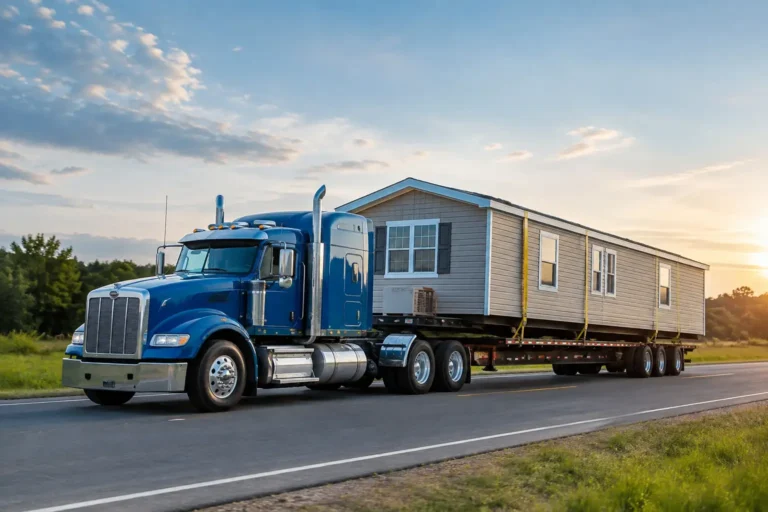
Selling it yourself can remove the commission, but it does not remove the work. You still have to price it, market it, answer messages, coordinate showings, verify buyers, manage paperwork, and solve any title or park issues that come up. If the home needs to be moved, or if the buyer has trouble getting approved by the park, the sale can fall apart late in the process.
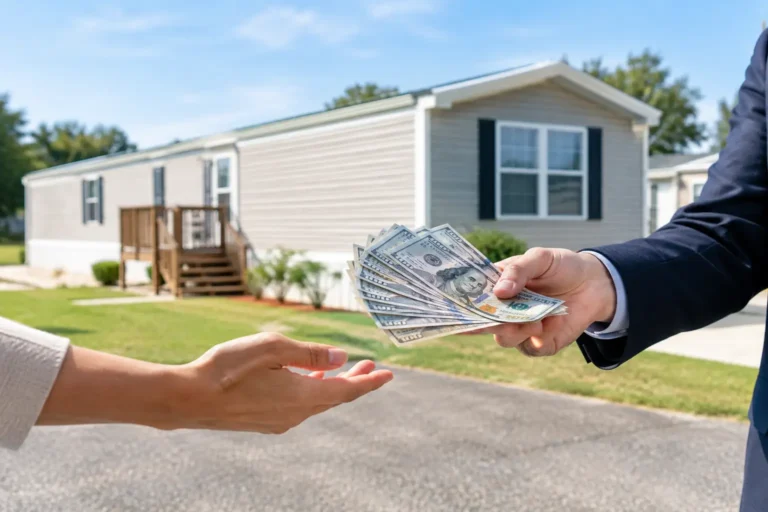
Selling directly to a mobile home buyer is different. Instead of listing the property and waiting, you get an offer based on the home’s condition, location, title status, and local demand. In the right situation, that means no agent fee, no listing fee, no repair costs, and a much faster close.
That trade-off matters. A direct buyer may not pay the same price you might get from a perfect retail buyer after weeks or months on the market. But many sellers decide that speed, simplicity, and avoiding extra costs are worth more than chasing a higher number that may never fully materialize.
When avoiding commissions saves you the most
Not every mobile home sale is urgent, but a lot of them are. In those cases, avoiding commissions is only part of the savings.
If the home is in poor condition, you may save on repairs and cleanup. If you’re behind on lot rent or loan payments, a fast sale may stop the problem from getting worse. If you’re out of town dealing with an inherited mobile home, avoiding a listing can save repeated trips, contractor coordination, and ongoing monthly bills.
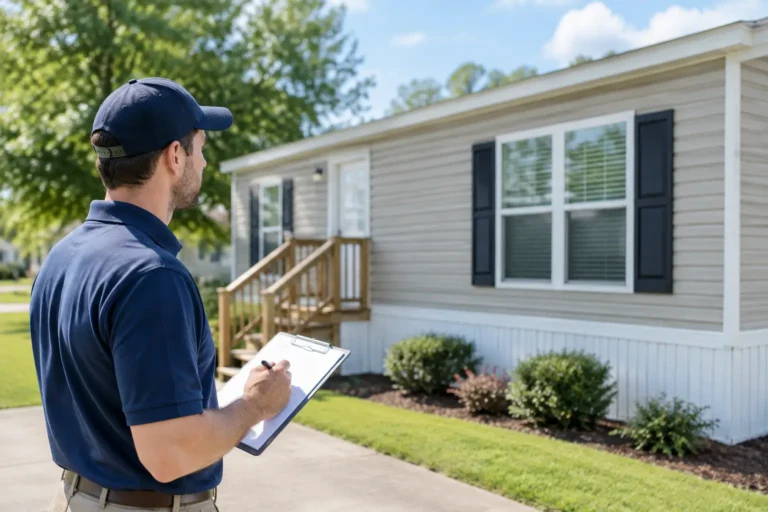
The same is true when the home has complications. Park rules, missing documents, title issues, permit problems, storm damage, and abandoned contents can all slow down a retail sale. A specialist in manufactured housing understands those obstacles and can often work through them more efficiently than a general agent or an individual seller trying to figure it out as they go.
How to avoid mobile home commissions without creating new problems
The goal is not just to skip a commission. The goal is to walk away with a real sale.
That means asking the right questions before you choose a selling method. If you plan to sell on your own, be honest about how much time you have and how comfortable you are handling strangers, negotiations, and paperwork. If the home is in a park, make sure you understand the community’s rules for buyer approval, age restrictions, and whether the home can stay on the lot.
If you’re considering a direct buyer, ask how the process works, how quickly they can close, and whether there are any fees. A serious buyer should be able to explain the next steps clearly and tell you what documents are needed. They should also be upfront if the title needs attention or if the home’s condition affects the offer.
A good process feels simple, not vague. You tell them about the home, they review the details, and you get a straightforward offer. No pressure. No obligation. Just clear numbers and a real timeline.
The hidden costs sellers forget about
A lot of owners focus on commission because it is obvious. But the hidden costs are often what make a traditional sale feel expensive.
Every extra month you hold the home can mean lot rent, taxes, insurance, utilities, and loan payments. If the home is vacant, you also carry the risk of vandalism, leaks, storm damage, or city and park complaints. If buyers come through and do not qualify, you lose more time.
Then there is the cost of getting the home “market ready.” Even basic cleanup, hauling trash, patching floors, replacing soft spots, fixing plumbing, or painting can add up fast. For older mobile homes, you can spend money trying to improve the sale and still struggle to find a financed buyer.
That is why avoiding mobile home commissions should be looked at as part of a bigger equation. The best option is the one that leaves you with the most net benefit and the least stress, not just the one with the highest asking price on paper.
Direct sale vs. listing – what fits your situation?
If your home is in strong condition, has a clean title, sits in a park that is easy to work with, and you have time to wait, listing or marketing it yourself may make sense. In that case, avoiding a commission through a for-sale-by-owner approach could help you keep more of the proceeds.
But if speed matters, or if the home has issues, a direct sale is usually the more practical move. This is especially true when the home is older, needs repairs, has unpaid lot rent, or is tied up in an estate or family dispute. The less standard the situation, the more valuable a simple cash process becomes.
That is where a local specialist can make a difference. A company like Triad Mobile Homes works specifically with sellers who need a practical solution, not a long sales cycle. That means looking at the real-world obstacles, making a fair cash offer, and helping handle the details that stop many mobile home deals from closing.
What North Carolina mobile home sellers should keep in mind
In North Carolina, manufactured home sales can involve more than a bill of sale and a handshake. Title transfers have to be handled correctly. If the home is in a park, management may need to approve the buyer. If the home is on private land, there may be questions about whether land is included, whether the home is taxed as real property or personal property, and whether there are permit or setup issues.
These details matter because they affect both timing and closing risk. A buyer who understands mobile homes in the Triad and surrounding Central NC markets is better equipped to spot problems early and keep the process moving.
That local knowledge can be just as valuable as avoiding commissions. It helps reduce surprises, and surprises are what usually cost sellers money.
A smarter way to think about commissions
There is nothing wrong with wanting to avoid a commission. Most sellers should. But the better question is this: what selling path gets you to the finish line with the least hassle and the best real outcome?
Sometimes that means selling it yourself. Sometimes it means taking a direct cash offer and being done in days instead of waiting for the right buyer to show up. It depends on your timeline, the home’s condition, and how much uncertainty you can tolerate.
If your priority is speed, simplicity, and moving on without repairs, listings, or drawn-out negotiations, avoiding commissions starts with choosing a process built for mobile homes instead of forcing your sale into a system that was never designed for it.
The right sale is the one that solves the problem in front of you and lets you move forward with cash, clarity, and no extra baggage.