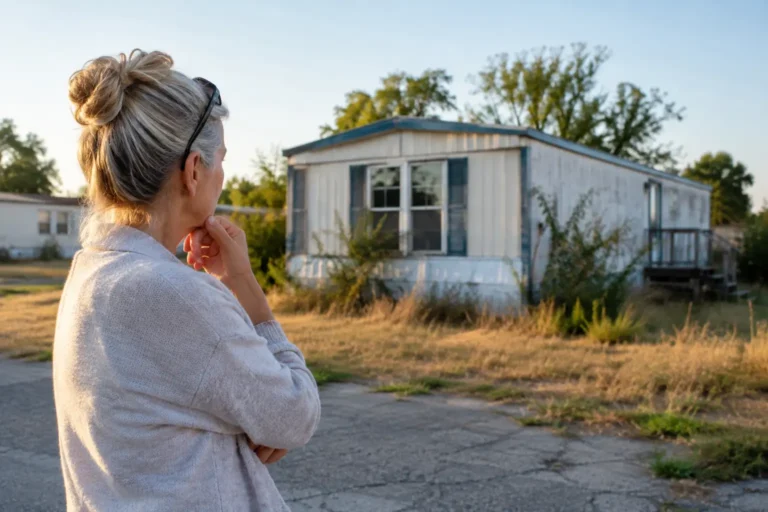

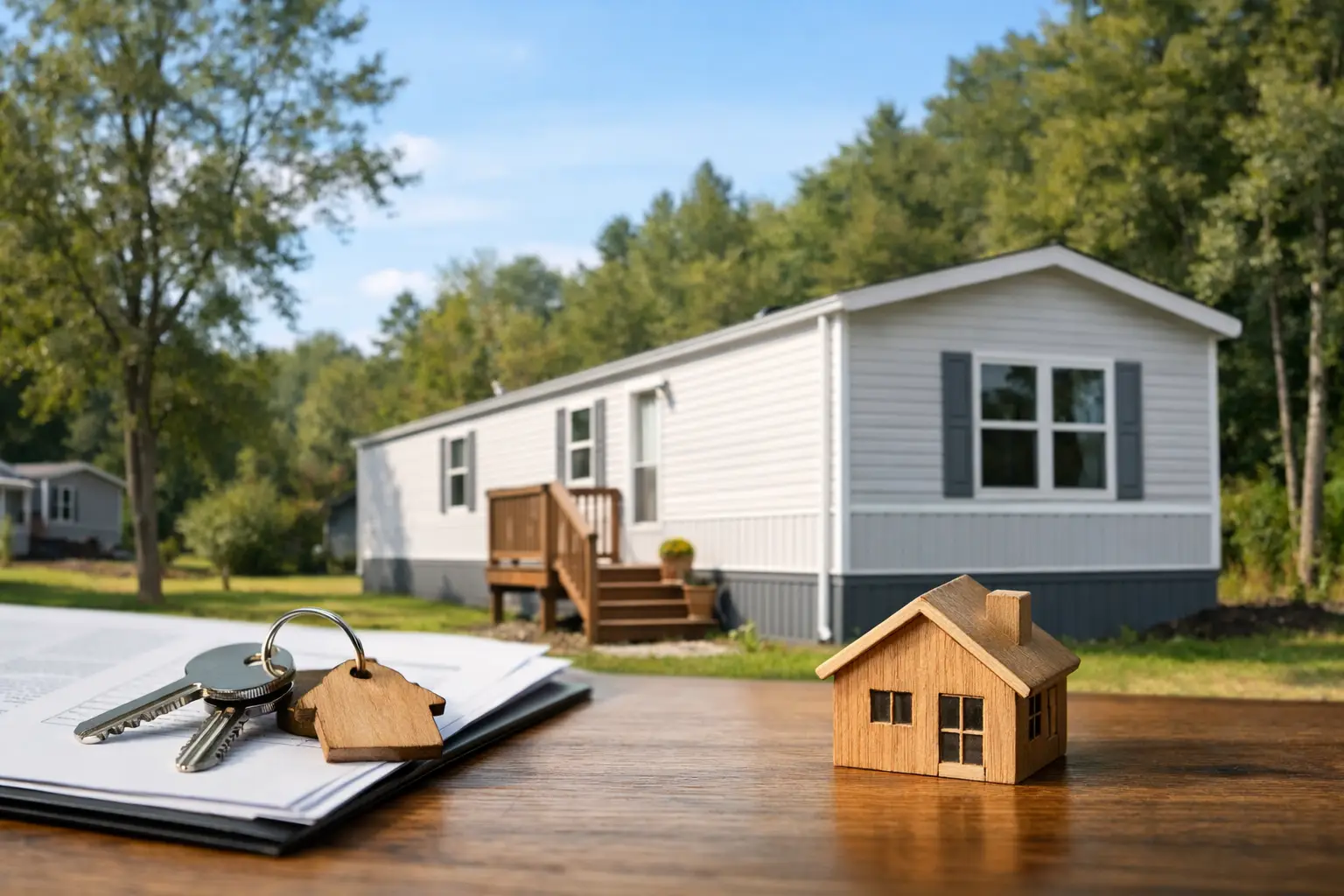
Getting a call that you inherited a mobile home usually creates more questions than relief. Who owns it now? Is the title clear? Is there back lot rent? Can the home stay in the park? Your inherited mobile home options depend on a few facts that can change what makes sense financially and how fast you need to act.
If you are in North Carolina, especially if you live out of town or out of state, the biggest mistake is waiting too long to gather the basics. Mobile homes are not like site-built houses. Park approval, title issues, moving costs, condition, and unpaid balances can all affect whether keeping, selling, or moving the home is realistic.
The main inherited mobile home options
Most heirs have four real paths. You can keep the home and use it, keep it as a rental if that is allowed, sell it as-is, or in some cases move it to private land. There is also a fifth situation that is less of a choice and more of a problem to solve – disclaiming the inheritance or walking away if the costs and legal issues outweigh the value. That decision should be made carefully and usually with legal guidance.
For many families, the right answer comes down to speed, condition, and paperwork. If the home needs major repairs, has unpaid lot rent, or sits in a park with strict resale rules, a quick as-is sale is often the cleanest path. If the home is in good shape and the title is ready to transfer, holding it for family use may make sense.
Start with ownership, title, and probate
Before choosing between inherited mobile home options, confirm who has the legal authority to act. If the deceased owner left a will, the executor may be the one handling the transfer. If there is no will, the estate may need to go through probate so the court can determine authority and ownership.
With mobile homes, title matters more than many heirs expect. Some homes have a paper title. Some have title problems. Some may also involve liens from a lender. If there are multiple heirs, everyone may need to agree before a sale can move forward.
You also need to know whether the home is considered personal property or has been converted to real property with land. That changes the paperwork and sometimes the timeline. A mobile home on rented lot space in a park is usually a very different transaction from a manufactured home attached to privately owned land.
If the home is in a mobile home park
This is where many inheritance situations get complicated fast. The park may have rules about who can live there, whether the home can be sold in place, and whether a buyer must pass park screening. Some parks will allow a sale to a new approved resident. Others may require the home to be removed if it is too old or if management will not approve a buyer.
That matters because a home that must be moved is worth much less in most cases. Moving a mobile home is expensive, and not every home can be moved legally or safely. Older homes, homes with damage, or homes that do not meet current requirements may not be movable at all.
If lot rent is behind, the pressure builds quickly. Late fees, park notices, and the risk of eviction can shrink your options. Even if you are still figuring out probate, it helps to contact the park early, explain the situation, and find out what deadlines or requirements apply.
Option 1: Keep the inherited mobile home
Keeping the home can work if the numbers make sense and the paperwork is manageable. Maybe a family member wants to live there. Maybe the home is in decent condition and the lot rent or taxes are affordable. Maybe it sits on family land and can stay in place without park approval issues.
But keeping it means taking on the problems too. You may need to transfer title, insure the home, clear out personal belongings, bring payments current, repair damage, and maintain the property. If the home has sat vacant for a while, water damage, soft floors, roof leaks, and HVAC issues are common.
This option tends to make the most sense when the home has usable life left and there is a clear plan for occupancy. If the idea is just to hold it while deciding later, costs can pile up faster than expected.
Option 2: Rent it out
Some heirs think renting is the easy middle ground. Sometimes it is. Often it is not.
If the home is in a park, you need to confirm the park allows rentals. Many do not, or they limit them. If the home is on private land, renting may be more flexible, but you still need the home to be safe, legal, and insurable. You also take on tenant risk, repairs, collections, and turnover.
For out-of-state heirs, long-distance landlording usually sounds better than it feels. If you inherited a home because a parent passed away and you already have an estate to manage, adding tenant issues may not be the relief you need.
Option 3: Sell the inherited mobile home as-is
This is often the best fit when you want certainty and speed. Selling as-is means you do not need to repair the roof, replace flooring, clean out every room, or spend weeks trying to understand how to market a mobile home properly. If the home has title problems, back lot rent, or park complications, working with a buyer who understands manufactured housing can save a lot of time.
A traditional listing is not always the best route for inherited mobile homes. Some agents do not specialize in mobile homes. Some buyers need financing that falls apart. And if the home is in rough condition, you may spend money getting it ready only to face delays.
A direct buyer can be a better option when the situation is urgent. In Central North Carolina, Triad Mobile Homes helps sellers in exactly these situations by making fair cash offers, handling the hard parts, and moving quickly with no pressure and no obligation. That matters when the goal is to settle the estate and move on rather than drag the process out.
Option 4: Move the home to another property
This option sounds simple until you price it out. Moving a mobile home can involve permits, transport, setup, utility work, skirting, tie-downs, and site preparation. The home also has to qualify for a move. Age, condition, width, and local rules all matter.
If the home has sentimental value or there is family land available, moving it may be worth exploring. But from a pure dollars-and-cents standpoint, it often makes less sense than heirs expect. A low-value older home can become a very expensive move.
What affects the value most
Heirs often ask what the home is worth before they decide among inherited mobile home options. The honest answer is that value depends on factors that are specific to manufactured housing.
Condition matters, of course, but so does location. A clean home in a park that allows in-place sales may be much easier to sell than a similar home that must be removed. Title status, age, size, whether land is included, unpaid taxes or lot rent, and whether the home is financeable all affect value too.
This is also where expectations need to stay realistic. Many inherited mobile homes are older, and older homes tend to have a smaller buyer pool. If the home needs repairs or has park restrictions, the highest theoretical price on paper may not be the most useful number. A lower but certain cash offer can be the better outcome when carrying costs and stress are rising.
A practical way to decide
If you are stuck, start with three questions. First, how fast do you need this resolved? Second, what would it cost to keep the home for the next 60 to 90 days? Third, are the title and park situation clean enough to support the option you want?
Those answers usually narrow the path quickly. If the home is clean, affordable to carry, and useful to the family, keeping it may work. If the home is a burden, costs are mounting, or the park is putting pressure on the estate, selling quickly is often the smartest move.
What to gather before you act
Try to collect the title, death certificate, probate paperwork, lot lease if the home is in a park, payoff information for any loan, and recent tax or lot rent statements. You do not need everything perfectly organized before asking for help, but having these basics can speed things up.
Even if you are missing documents, do not assume you are stuck. Mobile home inheritance cases often involve incomplete paperwork. The key is talking to someone who deals with these problems regularly and can tell you what matters now versus what can be solved during the process.
If you inherited a mobile home, the best next step is not guessing. Get clear on the title, the park, the costs, and your timeline. Once those pieces are on the table, the right option usually becomes a lot easier to see.