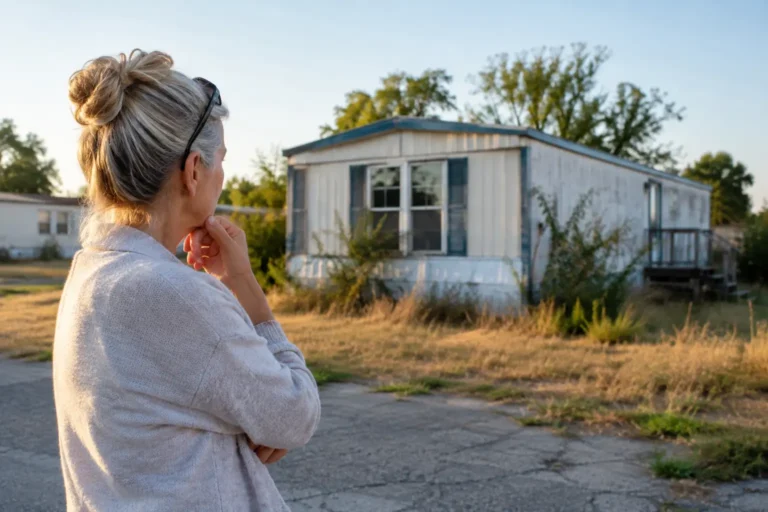


A mobile home sale can look simple until the paperwork comes out. The buyer may be ready with cash, but a missing title, an old lien, or a park manager’s approval process can stop the sale cold. So, can a buyer handle paperwork for a mobile home? Often, yes – a knowledgeable buyer can do much of the legwork. But the seller still has a few responsibilities that no buyer can sign away.
For owners in Greensboro, Winston-Salem, High Point, and surrounding Central North Carolina communities, the right buyer can make the process far less stressful. They can explain what is needed, prepare transfer documents, coordinate with the park, and help solve issues before closing. That does not mean paperwork disappears. It means you are not left trying to figure it out alone.
What a Buyer Can Handle in a Mobile Home Sale
A direct mobile home buyer can usually take charge of the transaction process from the moment you accept an offer. That includes reviewing the home’s ownership documents, identifying missing items, preparing the bill of sale or purchase agreement, and coordinating the closing date.
For a titled mobile home, the buyer may help verify the title details, such as the VIN or serial number, the legal owner’s name, and whether a lienholder is listed. If the home is in a mobile home park, an experienced buyer can also communicate with park management about their approval requirements, lot lease rules, utility account changes, and whether the home can remain in place.
A buyer may also handle logistics that sellers do not want to manage. If the home must be moved, they can arrange a transporter, determine whether permits are required, and work through timing with the park or landowner. If the home is staying in the community, they can take over the process of qualifying with the park if management requires it.
This is especially helpful when you are selling from out of state, dealing with an inherited home, facing lot rent problems, or trying to move quickly after a divorce or job relocation. Instead of calling several offices and guessing what comes next, you have one buyer coordinating the moving pieces.
What the Seller Still Needs to Do
Even when the buyer handles most paperwork, the seller must prove they have the right to sell the home. A legitimate buyer cannot transfer ownership without the proper signatures and documentation from the current owner.
In most cases, you will need to provide the original title if the mobile home is titled. The name on the title should match the seller’s identification. If more than one person is named as an owner, each required owner generally needs to sign. If there is a lien on the title, the lien must be paid off or addressed before a clean transfer can happen.
You may also need to provide a government-issued photo ID and information about the home, including its year, make, model, serial number, and current location. A buyer can help find some of these details, but they should not guess. Incorrect VIN information or an incomplete title can create delays at the DMV or during a park review.
If the home came through an inheritance, divorce, estate, or power of attorney arrangement, bring that up at the start. There may be extra documents needed to show who has authority to sell. The same is true if the home is owned by a trust, LLC, or multiple family members. These situations are still workable, but they are easier to solve before a closing date is set.
Can a Buyer Handle Paperwork When the Title Is Missing?
A missing title does not automatically mean you cannot sell. It does mean the sale needs more attention. In North Carolina, a replacement title may be necessary before ownership can be transferred, depending on the home’s status and the facts of the transaction.
A knowledgeable buyer can tell you what information to gather, help identify the correct vehicle identification number, and point you toward the next practical step. They may be able to prepare documents for a title correction or replacement process. What they cannot do is apply for a replacement title as though they are the current owner. That part generally must be handled by the person whose name is on the title or by someone with documented legal authority.
Be cautious with anyone who tells you a title does not matter without first reviewing your situation. Some older homes, homes permanently attached to land, or homes sold under unusual circumstances can involve different documentation. But skipping ownership questions is not a shortcut. It can leave both sides exposed to a failed sale or a dispute later.
Mobile Home Park Paperwork Is a Separate Issue
The title transfer is only one part of a park sale. If your home sits on a rented lot, park management may have its own process. The buyer might need to submit an application, meet income or background requirements, sign a new lease, provide insurance information, or pay a deposit before the park allows them to take over the lot.
Some communities will not allow a home to be sold to a buyer who has not been approved. Others may require the home to be removed if the incoming buyer is not accepted. This is why a seller should never promise a buyer that the home can stay in the park until the community’s rules are confirmed.
A local buyer who understands manufactured housing can take this communication off your plate. They can ask the right questions early: Can the home remain? What is the current lot rent? Are there back fees? Does the park need an inspection? How long does approval take? Getting clear answers before closing prevents last-minute surprises.
Paperwork for Homes on Private Land
A manufactured home on private land can require a different path. The home may have a separate title, while the land has a deed. Or the home may have been legally converted to real property and be part of the land transaction. Those are not the same sale.
If you are selling only the home and it must be moved, the buyer will need to confirm title status and plan transportation. If you are selling the land and home together, a real estate closing may be appropriate, especially when there is a mortgage, deed, or tax issue involved. A buyer can coordinate the process, but a closing attorney or other qualified professional may need to prepare and review certain documents.
The key is to be upfront about what is included. Tell the buyer whether you own the land, rent the land, have a mortgage, owe property taxes, or know of any easement, permit, or zoning concern. Straight answers at the beginning usually lead to a faster offer and a cleaner closing.
Questions to Ask Before You Let a Buyer Take Over
Not every cash buyer provides the same level of support. Before moving forward, ask whether they have purchased mobile homes in your area, whether they understand park approval and title transfer requirements, and whether they will explain the paperwork before you sign.
You should also know exactly who pays for any title work, lien payoff, park fees, moving costs, or taxes that come up. A fair offer should be clear about those costs. If a buyer is vague, pressures you to sign immediately, or refuses to put the terms in writing, slow down.
At Triad Mobile Homes LLC, the goal is to make the process clear, not confusing. Sellers receive a no-obligation cash offer and straightforward guidance on the documents needed for their specific home. Whether the home is in a park, on private land, vacant, damaged, or tied up in a difficult situation, the first step is simply getting the facts on the table.
Start With the Documents You Have
You do not need to solve every paperwork problem before asking for an offer. Gather what you can find: the title, ID, lot lease, payoff information, park contact details, and any estate or divorce documents connected to ownership. Then be honest about what is missing.
A serious buyer can review the situation, tell you what they can handle, and explain what still requires your signature or action. That is the difference between being handed a stack of forms and having a real plan to move forward. If the paperwork has been keeping you stuck, start with the documents you have and let a mobile home specialist help identify the next step.