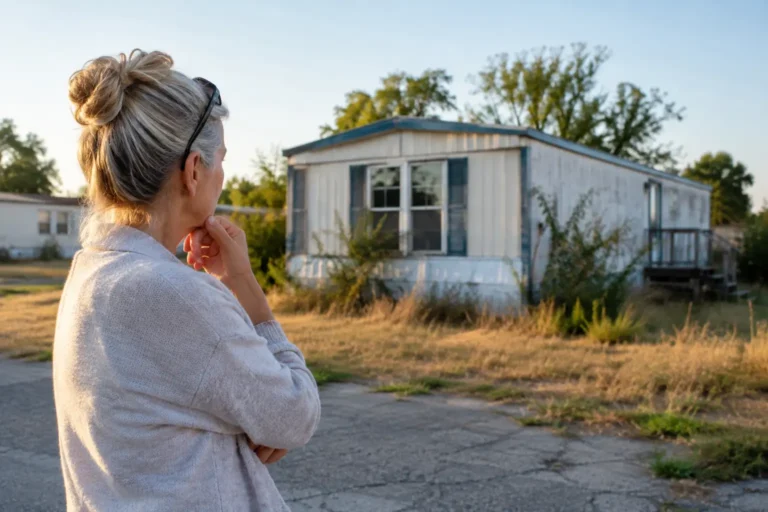


An inherited manufactured home can turn into a paperwork problem fast. One week you are dealing with a family loss, and the next you are trying to figure out title status, lot rent, taxes, repairs, park rules, and whether the home can even stay where it sits. If you are weighing the best options for inherited manufactured home ownership in North Carolina, the right move usually depends on three things – condition, location, and how quickly you need resolution.
Some heirs want to keep the home. Some want rental income. Many just want a clean, fair sale without sinking more money into a property they never planned to own. That is reasonable. Manufactured homes come with extra moving parts, and waiting too long can make a manageable situation more expensive.
Best options for inherited manufactured home cases
The first option is to keep the home and use it yourself. This can make sense if the home is in good condition, the title is clear, and the location works for your family. If the home is on private land you inherited with it, the decision may be simpler. If it is inside a mobile home park, you need to confirm whether the park will approve you as the new occupant or owner.
Keeping the home can be the right emotional choice, but it is not always the easiest financial one. Older manufactured homes may need skirting, plumbing work, roof repairs, HVAC service, or floor replacement before they are comfortable and safe. If the home has sat vacant, small maintenance issues may have grown into bigger ones.
The second option is to rent it out. That can sound appealing if you want monthly income, but rentals require management, repairs, insurance, and a plan for nonpayment or property damage. In a park setting, you also need to know whether subleasing is allowed. Some communities are strict about who can live there and how ownership transfers are handled.
Renting tends to work best when the home is in solid shape and you live close enough to manage it. If you live out of state or already have enough on your plate, a rental can become one more ongoing problem instead of a benefit.
The third option is to sell the home on the open market. If the home is clean, updated, and easy to finance or move, that may bring a higher price than a quick direct sale. But this route usually takes more time and effort. You may need photos, cleanup, repairs, title documents, buyer screening, and patience while people ask questions and then disappear.
For inherited manufactured homes, the open market can also get complicated because buyers often need reassurance about title history, serial numbers, age of the home, and park approval. If the home needs work, many retail buyers will expect a discount anyway.
The fourth option is usually the fastest – sell directly to a manufactured home buyer for cash. This is often the best fit when the home needs repairs, has back lot rent, has title issues that need sorting out, or simply needs to be sold without dragging the process out for months. A direct buyer can usually tell you quickly whether they can buy it as-is, help market it, or explain what has to happen first.
How to choose the best option for an inherited manufactured home
Start with the title and probate status. Before any sale or transfer, you need to know whose name is on the title and whether the estate has legal authority to transfer ownership. If there are multiple heirs, everyone may need to agree. If there is a missing title, that does not always kill the deal, but it does mean more paperwork.
Next, look at where the home sits. A manufactured home on private land gives you more flexibility than a home in a park. In a park, you may be dealing with lot rent, community rules, park management approval, and possible deadlines if the account is behind. Some parks allow homes to be sold in place. Others may require the home to be removed, which changes the value immediately.
Then be honest about condition. If the home needs major repairs, the math changes. New floors, soft spots, roof leaks, bad plumbing, missing HVAC, damaged windows, and outdated interiors all affect whether keeping, renting, or listing makes sense. Many heirs overestimate what a home will sell for and underestimate the cost of getting it market-ready.
Finally, think about your timeline. If property costs are piling up, if the home is vacant, or if you live hours away, speed matters. The best choice is not always the one with the highest possible price on paper. It is often the one that gets the problem solved with the least risk and delay.
When selling fast makes the most sense
There are situations where a fast cash sale is not just convenient – it is the practical move. If lot rent is overdue, every extra month cuts into what you can walk away with. If the home is in rough condition, putting money into it may not come back in the sale. If you inherited the home with siblings or other family members, a quick sale can avoid drawn-out disagreements.
This is also true when the home comes with paperwork issues. Inherited manufactured homes often have title problems, old tax questions, missing VIN information, or confusion about whether the home was ever properly retired or converted on land. These are not unusual issues, but they are easier to deal with when you are working with someone who handles manufactured home transactions regularly.
A direct buyer can also be helpful if the home cannot stay where it is. Moving a manufactured home is expensive and not always possible, especially with older single-wides. If removal is required, you need real answers quickly, not guesswork from casual buyers.
What heirs in North Carolina often overlook
One common mistake is waiting too long to contact the park or verify ownership documents. While the family is grieving, bills may still be running. Lot rent, taxes, insurance gaps, and maintenance do not pause just because the home changed hands.
Another issue is assuming every buyer understands manufactured homes. Many do not. They may treat the purchase like a regular site-built house sale, then back out once they learn about title transfer requirements, park approval, or moving costs. That is one reason inherited homes can sit longer than expected.
It is also common for heirs to spend money cleaning out and repairing a home before they know what the market will actually pay. Sometimes basic cleanup helps. Sometimes it is money you will never recover. The smart first step is to get clarity on value in its current condition.
For owners in the Triad and surrounding Central North Carolina markets, working with a local manufactured home buyer can cut out a lot of wasted motion. Companies like Triad Mobile Homes LLC deal with these situations every day, including inherited homes that need title help, repairs, park coordination, or a quick close.
A practical way to decide
If the home is in good shape, you have clear title authority, and you are not in a rush, keeping it, renting it, or listing it may be worth exploring. But if the home needs work, has park complications, or is becoming a burden, selling directly is often the cleanest path.
A simple test helps. Ask yourself whether you want to own this home six months from now if nothing goes smoothly. If the answer is no, then your best option is probably the one that gives you certainty now, not the one that asks for more time, more money, and more problem-solving.
The good news is that inherited manufactured homes are sellable in many situations, even when they are older, damaged, vacant, or tied up in extra paperwork. You do not need every answer before you ask for help. You just need a clear next step and a buyer or specialist who knows how to handle the hard parts.
If you have inherited a manufactured home and feel stuck between family decisions, paperwork, and rising costs, do not wait for the situation to get heavier. The right option is the one that lets you move forward with the least friction and the fewest surprises.