
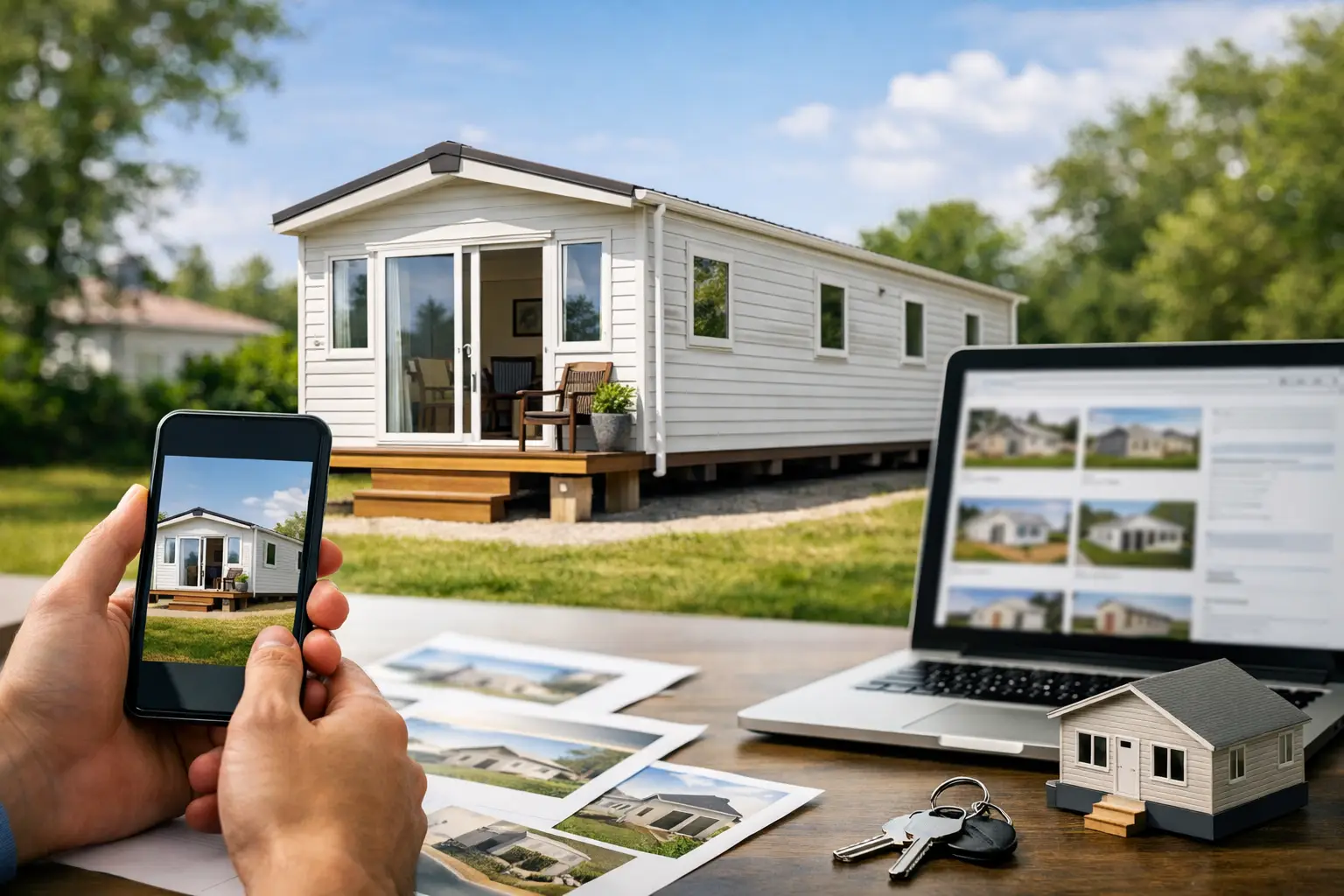
If you need to sell fast, choosing the best places to advertise a mobile home matters more than most owners expect. A weak listing can sit for weeks, attract the wrong buyers, or create headaches with park approval, title questions, and no-shows. A strong listing in the right place can bring real calls quickly – but only if the channel fits your home, your timeline, and your situation.
That is the part many sellers in Central North Carolina run into. A mobile home is not the same as a site-built house. Whether it is in a park in Greensboro, on private land near Winston-Salem, or inherited in High Point by family living out of state, the marketing strategy has to match the facts on the ground. If the home needs repairs, if lot rent is behind, or if the title is not straightened out yet, some advertising options work better than others.
The best places to advertise a mobile home depend on your goal
Before posting anywhere, get clear on one thing: are you trying to get the highest possible price, or are you trying to get the home sold with the least stress and delay? Those are not always the same path.
If your home is clean, titled correctly, and ready for a retail buyer, online marketplaces and local listing channels can work well. If the home has damage, is older, is in a park with restrictions, or you need cash quickly, broad advertising may waste time. In those cases, a direct buyer or a local specialist who already knows the mobile home market may be the better move.
Facebook Marketplace
For many sellers, Facebook Marketplace is the first place to start. It has a huge local audience, it is easy to post, and buyers actively search there for affordable housing. In North Carolina, especially around the Triad, many mobile home buyers check Marketplace before they look anywhere else.
The upside is reach. You can post photos, add details about the size, year, location, and whether the home must stay in the park or be moved. If priced right, you can get interest quickly.
The downside is quality control. Expect lowball offers, people who do not read the listing, and buyers who disappear after asking if the home is still available. If you are dealing with a title problem, park approval issue, or a home in rough shape, Marketplace can turn into a time drain fast.
Mobile home parks and community managers
If your home is located in a park, one of the best places to advertise a mobile home is inside that park itself. Community managers, office staff, and current residents often know exactly who is looking. Friends and relatives of current residents may want to move into the community, and they already understand the lot rent and park rules.
This route can be especially effective when the home must stay in place. Buyers who want an affordable move-in-ready option often prefer a home already set up in a park rather than paying to move one.
That said, every park is different. Some require buyer approval. Some have age or condition standards. Some may not allow older homes to transfer at all. Before spending time marketing, check the park’s rules so you do not attract buyers who cannot actually complete the purchase.
Local Facebook groups and community buy-sell pages
Facebook groups can work better than Marketplace in some cases because they are more targeted. Local buy-sell groups, neighborhood groups, and mobile home specific groups often have members who are serious and local.
This works best when your listing is clear and honest. Include whether the home is in a park or on land, whether land is included, if the title is in hand, and whether repairs are needed. The more direct you are, the fewer wasted conversations you will have.
Still, these groups carry the same basic risk as Marketplace. You are doing the screening yourself. You are answering messages yourself. And if your situation is urgent, that back-and-forth can cost you time you may not have.
Craigslist
Craigslist still gets attention in the affordable housing market, even if it is not as dominant as it once was. Some cash buyers and mobile home investors check it regularly, especially for fixer-uppers or homes priced to move.
Its biggest strength is that it reaches buyers who may not be active on social media. Its biggest weakness is trust. Scam messages, vague inquiries, and flaky buyers are common. If you use Craigslist, keep the listing simple, do not overpromise, and be careful with personal information.
For a seller with patience, Craigslist can add exposure. For a seller who wants a clean, fast process, it usually should not be the only plan.
Specialty manufactured housing sites
There are websites built specifically for manufactured homes and mobile homes. These can be useful because the people searching there already understand this type of property better than the general public does.
That often means better leads and fewer confused questions. Buyers on these sites may already know about VIN numbers, title transfers, park applications, and transport costs.
The trade-off is volume. These sites may bring fewer eyeballs than Facebook Marketplace. Some also charge listing fees, which may not make sense if your home needs work or if you are trying to avoid spending more money before a sale.
Yard signs and local word of mouth
A simple yard sign still works, especially in visible parks and on private land near busy roads. It will not replace online marketing, but it can bring in local buyers who prefer to call directly.
Word of mouth matters too. Neighbors, maintenance staff, park residents, church contacts, and local employers often know someone looking for a lower-cost home option. In smaller communities around Central NC, that local network can move a sale faster than a polished online listing.
The limitation is obvious – reach is smaller. If the home is in a less visible area or your buyer needs to come from outside the immediate neighborhood, signs and word of mouth alone are usually not enough.
Real estate sites and agents
Some sellers assume they should put a mobile home on the same sites used for traditional houses. Sometimes that works. If the manufactured home is newer, permanently attached, on private land, and financeable, broader real estate exposure can help.
But many mobile homes do not fit that mold. Older homes in parks, homes without land, or homes with condition issues often do not perform well in traditional real estate channels. The buyer pool is different, financing can be harder, and many agents are not equipped to handle mobile home details.
This is where sellers lose time. If your home is not a clean fit for standard retail marketing, the listing can sit while bills keep coming.
Local mobile home buyers and dealers
If speed matters most, one of the best places to advertise a mobile home may be not advertising it broadly at all. A local mobile home buyer or dealer can make sense when the home needs repairs, the title is messy, lot rent is behind, or you simply do not want to spend weeks answering messages.
This option is built for certainty. Instead of trying to create demand yourself, you deal with a buyer who already understands the market and the logistics. That can include move coordination, title transfers, buyer sourcing, and park communication.
The trade-off is price. A direct cash offer is usually not the same as an ideal retail sale number. But for many owners, especially those facing repossession, inheritance issues, divorce, storm damage, or an unwanted vacant home, speed and simplicity are worth more than chasing the last dollar.
In the Triad area, companies like Triad Mobile Homes help sellers cut through that process without repairs, commissions, or long listing timelines. For the right situation, that is the most practical path.
What to include in your ad if you want real responses
Where you advertise matters, but the listing itself matters just as much. Mobile home buyers want the basics upfront. They want the year, size, number of bedrooms and baths, exact location, asking price, condition, and whether the home stays on the lot or must be moved.
You should also address the questions buyers are already thinking about. Is the title available? Is the home in a park? Does the buyer need park approval? Is lot rent current? Are there soft floors, roof leaks, or HVAC issues? Honest listings get fewer messages, but better ones.
Photos are not optional. Take clear shots of the exterior, kitchen, living room, bathrooms, and any problem areas. If the home needs work, show that too. Serious buyers can handle repairs. What turns them off is feeling surprised later.
So where should you start?
If your home is in decent condition and you have time, start with Facebook Marketplace, local groups, and park connections. That combination gives you broad reach with a strong local angle.
If the home is older, needs work, has legal or title issues, or you need a fast sale, broad advertising may just create noise. In that case, your best move is to speak with a local mobile home specialist who can either buy it directly or help place it with the right buyer network.
The right advertising channel is the one that matches your real goal, not the one that sounds best on paper. If you need speed, clarity, and fewer headaches, choose the route that gets you to a serious buyer without dragging the process out.