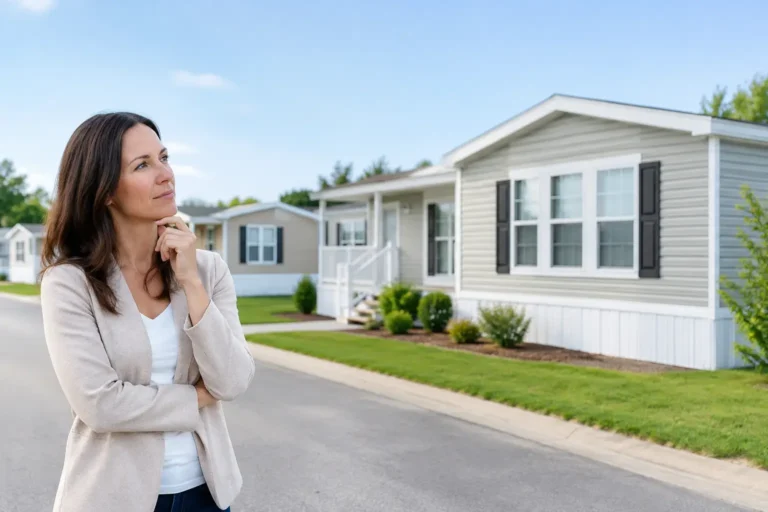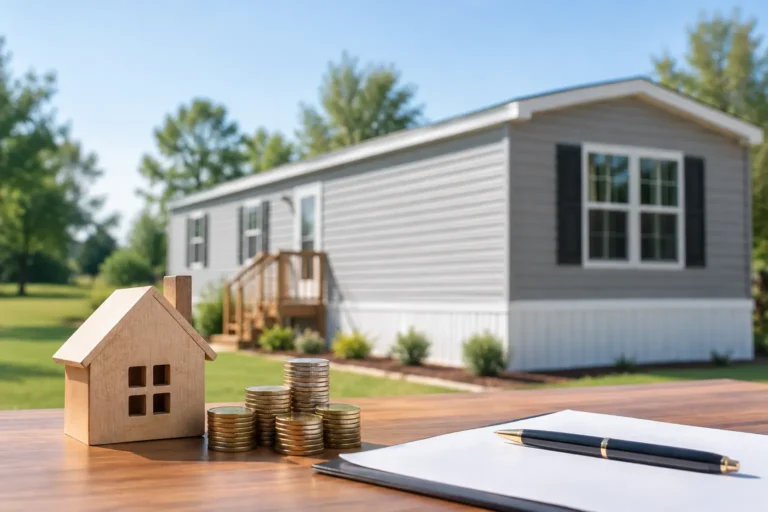


If you are trying to choose between a park sale versus private land sale, the biggest mistake is assuming they work the same way. They do not. A mobile home in a park can face park approval, lot rent issues, and buyer restrictions. A mobile home on private land can bring in land value, but it may also involve more title, tax, and closing details.
That difference matters if you need to sell fast. In Central North Carolina, we talk to owners every week who are behind on lot rent, dealing with inherited property, facing repairs they cannot afford, or just ready to be done with the home. The right selling path depends on where the home sits, what shape it is in, and how much friction is tied to the deal.
Park sale versus private land sale: why the gap is so big
A home in a mobile home park is usually sold very differently from a home attached to private land. In a park sale, the buyer is often buying the home only, not the dirt under it. That means the park rules matter. The park manager may need to approve the buyer, confirm the age and condition of the home, or even decide whether that home can stay in the community.
With a private land sale, you are often dealing with real estate as well as the home itself. That can make the sale more valuable, but it can also make the process more layered. You may need to sort out whether the home has been converted to real property, whether the deed and title match up correctly, and whether there are liens, tax issues, or boundary questions.
Neither path is automatically better. One may be simpler, one may be worth more, and one may move faster. It depends on your exact situation.
Selling a mobile home in a park
A park sale can be quicker in some cases because there is no land involved. But that does not mean it is easy. Park sales often get delayed by issues that do not come up with a standard house.
The first issue is park approval. Even if you find a buyer, that buyer may still need to pass the park’s screening process. If they are denied, the deal can fall apart. Some parks also have age rules, condition standards, or occupancy rules that limit who can buy the home and keep it in place.
The second issue is lot rent. If you are behind, that balance can become a major pressure point. Some sellers wait too long, hoping to catch up, and then end up with fewer options. If lot rent is overdue, you may need a direct buyer who understands how to work through that problem fast.
The third issue is whether the home stays or moves. If the buyer cannot keep the home in the park, moving costs can kill the deal. Moving a manufactured home is not cheap, and older homes may not qualify for transport at all. In that case, your buyer pool gets smaller very quickly.
That is why a park sale is often less about listing the home and more about solving the logistics around it.
What usually affects price in a park sale
Condition matters, but so do park-specific factors. A nice home in a stable park with reasonable lot rent can attract stronger offers than a similar home in a park with strict rules or a poor reputation. The age of the home, whether the title is clean, whether taxes are current, and whether appliances or updates are included can all affect the number.
But speed often matters more than squeezing out every last dollar. If you are paying lot rent every month on a vacant home, waiting for a retail buyer may cost more than people expect.
Selling a mobile home on private land
A private land sale usually has broader appeal because the buyer is getting both the home and the land, or at least the land rights connected to the property. That opens the door to more buyers, including investors, cash buyers, and in some cases traditional buyers.
It also changes the paperwork. Now you may be dealing with a deed, county records, tax values, septic or well questions, and whether the manufactured home is legally part of the real estate. If the home still has a separate title but sits on deeded land, that needs to be handled correctly. If there are heirs involved, the estate documents may need attention before the property can be sold.
Private land sales can also raise condition issues in a different way. A buyer may care about the driveway, outbuildings, drainage, or land use potential just as much as the home itself. That can help if the home is rough but the lot is strong. It can hurt if the land has access problems, cleanup issues, or permit trouble.
Why private land sometimes brings more value
The obvious reason is land. Land gives a property a floor that many park homes do not have. Even if the home needs work, the parcel may still carry meaningful value. Buyers may look at replacement options, rental potential, or redevelopment potential depending on the area.
But more value does not always mean an easier sale. If financing is involved, inspections and lender requirements can slow things down. If the home has title defects or the land has legal issues, the extra value can come with extra delay.
Park sale versus private land sale: which one is easier to close?
If your goal is a clean, fast closing, the answer is not always what sellers expect.
A park sale can close quickly when the title is clear, the lot rent is current, and the park is easy to work with. It can also stall out fast if the buyer needs approval or the home cannot remain on the lot.
A private land sale can be straightforward when the property records are clean and the buyer is paying cash. It can also drag if there are title corrections, estate questions, surveys, or financing conditions.
So the real answer is this: the easier closing is the one with fewer unresolved problems. That is why sellers who need certainty often prefer working with a buyer who already knows how to handle park rules, title transfers, and problem properties instead of trying to figure it out as they go.
The most common problems sellers run into
Owners in parks often hit issues with back lot rent, park notices, abandoned homes, or buyers who disappear after learning they need approval. Owners on private land often run into inherited title problems, old liens, tax questions, storm damage, or homes that were never properly converted to real property.
Both types of sales can also get stuck on condition. Many retail buyers want move-in ready. If your home needs flooring, a roof, skirting, HVAC work, or cleanup, your buyer pool shrinks. That is where a direct cash sale can make sense, especially when the goal is speed and fewer moving parts.
What to think about before you sell
Start with your real goal. If you need the highest possible price and have time to wait, market exposure may matter more. If you need to stop the financial bleeding, avoid repairs, or close quickly, certainty matters more than testing the market for months.
Then look at the problem areas honestly. Is the title clear? Are payments or lot rent behind? Does the park allow the home to stay? Are there heirs, tenants, damage, or county issues involved? The sooner those questions are answered, the fewer surprises you will face later.
For many sellers, especially in the Triad and surrounding Central NC areas, the best move is not chasing a perfect sale. It is choosing the path that gets the property off your hands with the least stress.
When a direct buyer makes more sense
If your home is in a park and the manager is pressing you, time matters. If your home is on private land and the paperwork is messy, experience matters. In both cases, a direct buyer can remove the usual friction by buying as-is, skipping agent commissions, and handling the details that scare off ordinary buyers.
That is especially true if you are dealing with divorce, inheritance, vacancy, repossession risk, or a home that needs more work than you want to put into it. A company like Triad Mobile Homes can often help you sort out whether the best path is a direct cash offer or a marketed sale to a qualified buyer, depending on the property and the obstacles.
The main thing is not to wait until the problem gets bigger. Park sale versus private land sale is not just a technical difference. It changes who can buy, how fast you can close, and what kind of headaches show up along the way. The sooner you match the sale strategy to the property, the sooner you can move on.