
If you need to sell a mobile home fast, the dealer offer vs private sale decision usually comes down to one question: do you want the highest possible price, or the least amount of time, stress, and uncertainty? For a lot of owners in Central North Carolina, that is not a small difference. It can mean the gap between solving a problem this week or still dealing with it a month from now.
That matters even more with manufactured homes because these sales are rarely as simple as putting up a few photos and waiting for a buyer. Title issues, park approval, lot rent, repairs, move requirements, financing problems, and buyer drop-off all show up more often in this market than people expect. So before you choose a path, it helps to understand what you are really trading.
Dealer offer vs private sale: what changes most?
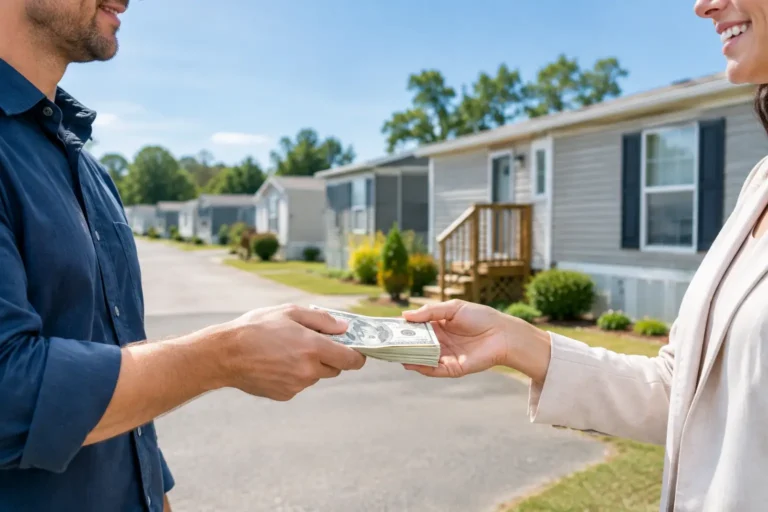
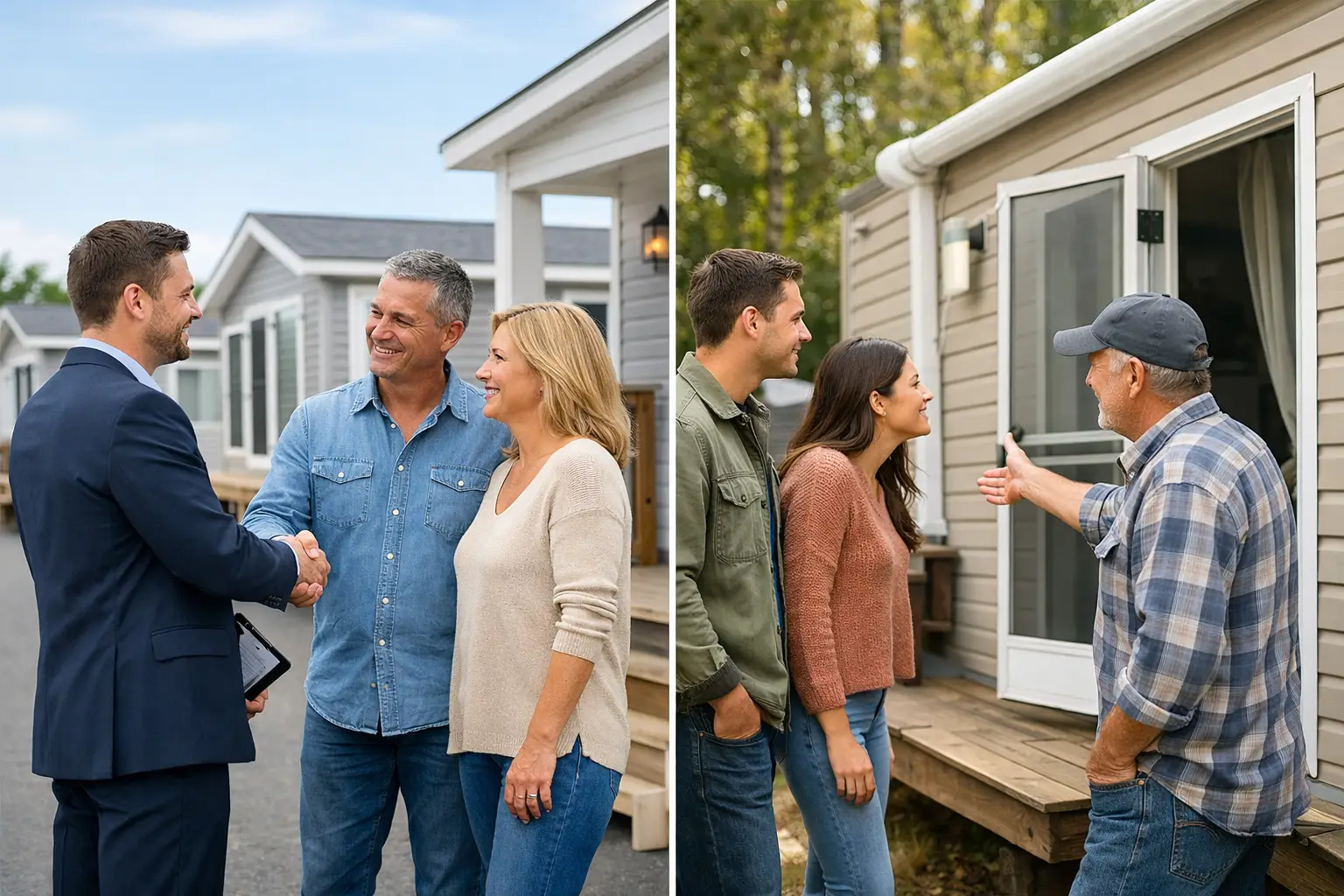
A dealer offer is usually about speed and certainty. You provide the details, the home gets reviewed, and you receive a cash offer based on condition, location, title status, market demand, and any complications tied to the property. If you accept, the process moves toward closing without the usual listing cycle.
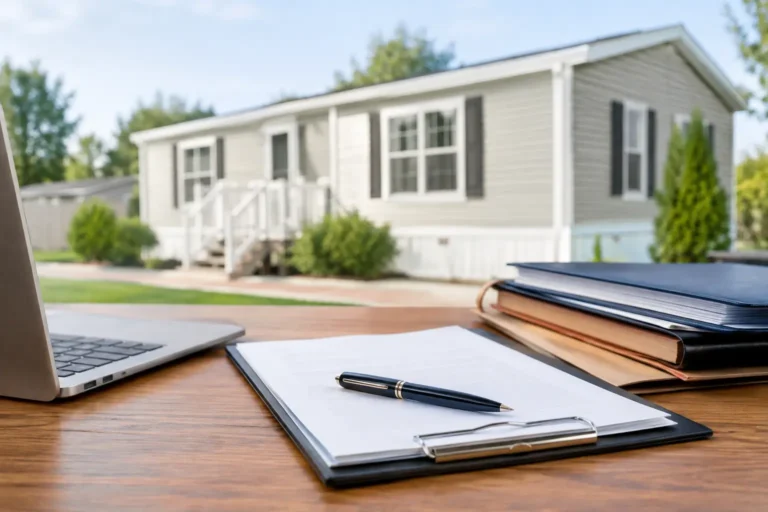
A private sale is different. You are responsible for marketing the home, answering messages, screening buyers, coordinating showings, handling negotiations, and working through paperwork and buyer financing. If the home is in a park, you may also have to deal with park rules, lot approval, and timelines that can slow things down.
Neither option is automatically better. The right choice depends on your timeline, the home’s condition, and how much work you are willing to take on.
When a private sale makes sense
If your mobile home is in solid condition, has a clear title, and sits in a location where buyer demand is active, a private sale may bring in more money. That is especially true if you have time to wait, can keep the home show-ready, and do not mind going back and forth with buyers who may or may not follow through.
Private sales often work best for sellers who are not under pressure. If you are not behind on lot rent, not facing a move deadline, and not dealing with damage or probate issues, you may be able to hold out for a stronger price. In that situation, the extra effort may be worth it.
But the word “may” matters here. A private sale does not guarantee a better outcome if the home sits for weeks, needs repairs, or attracts mostly buyers who cannot get funds together. On paper, the sale price can look higher. In reality, your net result can shrink once you factor in time, clean-out costs, missed lot payments, repairs, and the risk of a deal falling apart.
When a dealer offer makes more sense
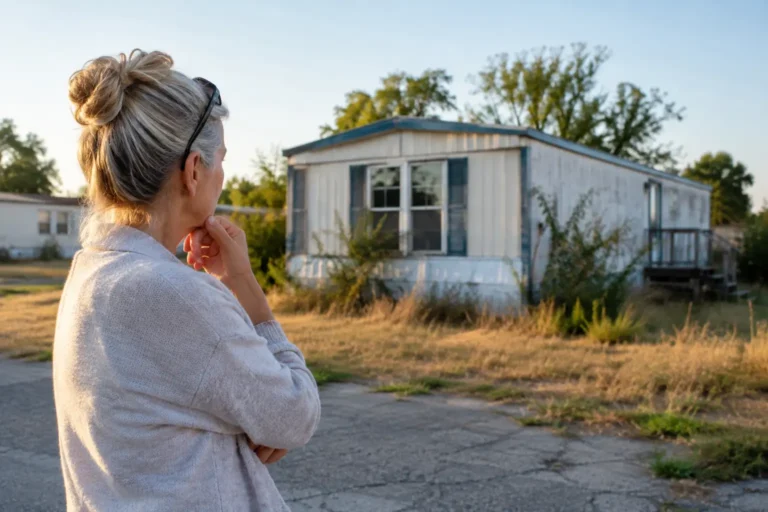
A dealer offer usually fits sellers who need a clean exit. Maybe the home needs work. Maybe the title is missing. Maybe the home is inherited and you live out of state. Maybe lot rent is piling up, the park is pressuring you, or you just do not want strangers walking through the property.
That is where speed becomes value.
If you can get a fair cash offer quickly and close without fixing the home, paying commissions, or handling all the back-and-forth yourself, the lower headline price may still be the better deal. This is especially true when delay is expensive. Every extra week can mean more lot rent, more utility bills, more stress, and more chances for the situation to get worse.
For many sellers, a direct dealer sale is not about maximizing every last dollar. It is about solving the problem with less risk.
The real costs behind a private sale
Some owners compare only the top sale price against a cash offer. That is understandable, but it leaves out the work and cost involved in getting that higher number.
With a private sale, you may need to clean out the home, make repairs, patch floors, fix leaks, replace skirting, or update cosmetic issues just to attract serious interest. Then comes listing photos, messages at all hours, no-show buyers, low offers, and people who say they are ready until it is time to pay.
Manufactured homes also have a narrower buyer pool than site-built houses. Some buyers need financing, and financing for older mobile homes can be harder to secure. Others may need park approval. If the home has to be moved, the process gets even more complicated because transport, permits, and setup all become part of the buyer’s decision.
That does not mean private sales are a bad option. It means the extra price potential comes with real friction.
Dealer offer vs private sale in difficult situations
This is where the difference gets clearer.
If the home has storm damage, soft floors, roof leaks, missing title documents, unpaid taxes, park compliance problems, or tenant damage, most private buyers will either walk away or expect a deep discount. The same goes for divorce situations, inherited homes, repossession risk, or owners who have already moved and just need the property gone.
A dealer that specializes in mobile homes is usually set up for these situations. They understand title transfers, abandoned-home issues, older units, and park-related roadblocks. They also know how to evaluate whether the home should stay in place, be marketed to another buyer, or be moved.
That kind of experience matters because mobile home sales are not just about finding someone interested. They are about getting the deal all the way to the finish line.
Price matters, but net outcome matters more
If you are comparing a dealer offer vs private sale, ask a better question than “Which one pays more?” Ask, “Which one leaves me in a better position after everything is counted?”
A private buyer might agree to a higher price, but then ask for repairs, need extra time, fail park approval, or disappear before closing. A dealer may offer less, but close faster, buy as-is, and remove a long list of tasks from your plate.
Your net outcome includes more than the sale amount. It includes time, carrying costs, uncertainty, effort, and whether the sale actually closes.
That is why sellers under pressure often prefer certainty over theory. A strong private-sale number is only helpful if you can actually get it.
How to decide which path fits your situation
Start with your timeline. If you need to sell in days or a couple of weeks, a dealer offer is usually the more realistic option. If you have months and can afford some trial and error, a private sale may be worth testing.
Next, look at condition. A clean, well-kept home with updated features will usually perform better on the private market. A home with damage, deferred maintenance, or title issues is more likely to benefit from a direct buyer who can take it as-is.
Then consider your own bandwidth. Some sellers are comfortable taking calls, negotiating, gathering paperwork, and managing the entire process. Others simply want a straightforward offer and a date to be done. There is no wrong answer there. It depends on what your time and peace of mind are worth.
Finally, think about how complicated the transaction is likely to be. If the home is in a park, if ownership documents are incomplete, or if family members are involved, the sale can get tangled fast. In those cases, having a specialist who handles mobile home logistics every day can save you a lot of trouble.
What many sellers in NC end up choosing
In North Carolina, many mobile home owners start out assuming they should sell privately, then realize the process is harder than expected. Buyer quality is inconsistent. Park questions come up. Paperwork takes longer. The home needs more work than they want to put into it. Or life simply does not leave room for weeks of waiting.
That is why direct buyers and dealers are often the practical choice, not the fallback choice. For sellers dealing with urgency, distance, poor condition, or complicated title and park issues, speed and simplicity are not extras. They are the whole point.
Companies like Triad Mobile Homes work in that lane for a reason. The goal is not to dress up the process. It is to remove friction, make a fair cash offer, and help the seller move on without repairs, showings, or unnecessary delays.
If you are still weighing a dealer offer vs private sale, be honest about your situation, not just the number you hope to get. The best option is the one that actually solves the problem in front of you and lets you move forward with less risk hanging over your head.