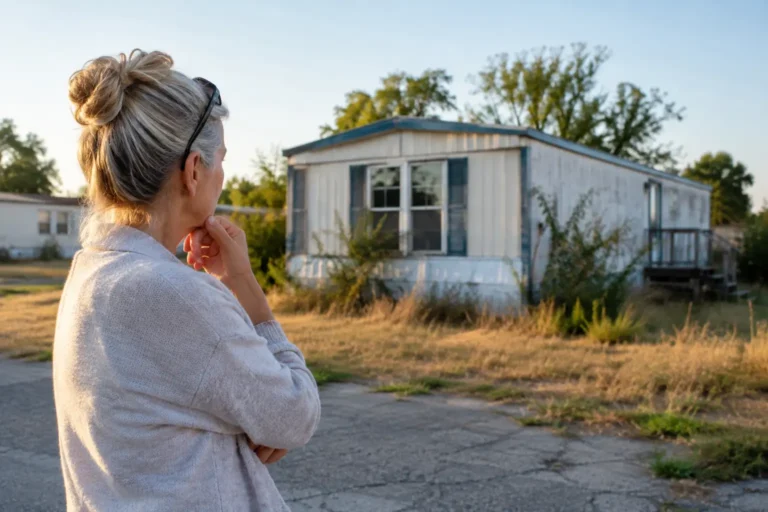


A damaged mobile home can feel like a problem that gets more expensive every month. Maybe there is a soft spot in the floor, a leaking roof, storm damage, missing skirting, outdated plumbing, or a home full of belongings you do not have time to remove. Before you accept anything, take time to review a cash offer for a damaged mobile home based on the real cost, condition, location, and paperwork involved.
A cash offer is not supposed to make every problem disappear from the price. It is supposed to make the sale simpler. The right offer gives you a clear path forward without asking you to repair, clean, list, host showings, or wait for a bank-approved buyer who may back out at the last minute.
What a Cash Offer for a Damaged Mobile Home Should Include
A fair cash offer starts with a clear understanding of what is being purchased. For a mobile or manufactured home, the buyer should ask about the year, make, size, location, title status, park rules, and major condition issues. A quick offer can still be a serious offer when the buyer understands manufactured homes and knows which details matter.
The offer itself should plainly state the purchase price and whether the buyer is purchasing the home as-is. It should also explain who handles closing paperwork, title transfer, and any expenses connected to the sale. If the home is in a mobile home park, ask whether the buyer has accounted for park approval, lot rent, and the park’s rules on ownership transfer or moving the home.
A vague promise to “make you an offer” is not enough. You need to know what you will receive, what conditions must be met, and when you can reasonably expect to get paid.
Why Damage Changes the Offer
Damage does not automatically make a mobile home unsellable. It does change the math. A cash buyer has to consider both the purchase price and the work required to make the home safe, marketable, or movable.
Roof leaks can lead to ceiling damage, insulation problems, mold concerns, and weakened framing. Soft floors may point to plumbing leaks or subfloor repairs. Fire, storm, or tree damage can require structural work. Older homes may also need electrical, HVAC, or plumbing updates before another buyer can finance or occupy them.
Location matters just as much as condition. A damaged home in a desirable park with reasonable lot rent may have stronger resale potential than a cleaner home in a park with strict rules or limited buyer demand. A home on private land brings different questions, including whether the land is included, whether the home is permanently affixed, and whether permits or zoning issues need attention.
That is why two homes with similar damage can receive very different offers. The goal is not to compare your home to a fully renovated model online. The goal is to understand the realistic as-is value after the buyer takes on repairs, logistics, holding costs, and resale risk.
How to Review a Cash Offer for a Damaged Mobile Home
Start by looking beyond the number. A higher offer is not always the better deal if it comes with repair requests, financing contingencies, long delays, or surprise deductions at closing. A lower but clean cash offer may be worth more to a seller who needs certainty and a fast closing.
Ask the buyer whether the offer is truly as-is. That means you should not be expected to repair the roof, replace flooring, clean out the home, remove old furniture, or spend money preparing it for sale unless that is specifically agreed upon. If a buyer says they purchase as-is but later asks you to fix major issues, the offer was not as straightforward as it first appeared.
Confirm the timeline. A serious buyer should be able to tell you what happens after you accept: whether they need to see the home, how title paperwork will be handled, whether park approval is required, and the expected closing date. For sellers dealing with overdue lot rent, relocation, inherited property, divorce, or an empty home that is deteriorating, timing is part of the value.
You should also ask whether there are commissions, listing fees, closing costs, or other charges coming out of your proceeds. When you sell directly for cash, the number you agree to should not be reduced by a last-minute agent commission or marketing expense.
Questions Worth Asking Before You Accept
You do not need to be a mobile home expert to protect yourself. A few direct questions can reveal whether a buyer is prepared to close or simply fishing for a low number.
Ask whether they have experience with homes in your specific situation. A home in a park, a home with no land, a double-wide that may need to be moved, and a home with title problems are not all handled the same way. A qualified local buyer should understand the differences.
Ask what documents they need from you. In North Carolina, title status is often one of the biggest factors in a manufactured home sale. If you have the title, that is helpful. If the title is missing, signed incorrectly, still in a deceased family member’s name, or tied to a lien, do not assume the sale is impossible. It may take additional steps, but an experienced buyer should explain the path without pressuring you.
Finally, ask whether the offer is no obligation. You should have room to review the terms, discuss them with family, and decide what works for you. A buyer who rushes you to sign before answering basic questions is not making the process easier.
When an As-Is Cash Sale Makes Sense
Selling for cash will not always produce the same price as repairing, cleaning, listing, and waiting for a retail buyer. That is the trade-off. If the home is newer, in good condition, titled correctly, and located in a strong community, spending time marketing it may bring a higher sale price.
But many owners do not have the time, money, or desire to take that route. Repairs can cost thousands of dollars before you even know whether a buyer will qualify. Park managers may require new buyers to apply. Traditional buyers may ask for inspections, negotiate after finding damage, or fail to get financing.
An as-is cash sale can make sense when the home needs significant work, has been vacant, is at risk of repossession, carries back lot rent, or is part of an inherited estate. It can also be the practical choice for an out-of-state owner who cannot coordinate contractors, cleanouts, showings, and paperwork from hundreds of miles away.
Prepare the Basic Details, Not the Repairs
You do not need to renovate your home before requesting an offer. In fact, putting money into repairs without a clear plan can create more stress and may not increase your net proceeds enough to justify the work.
Instead, gather the details that help a buyer evaluate the home quickly: the address or park name, year and size, photos if available, a description of known damage, current lot rent, and any title or loan information you have. Be honest about problems. A roof leak or missing title is easier to solve when it is discussed upfront than when it appears late in the process.
If the home is in a park, contact the office to understand whether there are transfer requirements, application fees, age restrictions, or rules about moving the home. You do not need to solve every issue alone, but knowing the park’s position can prevent delays.
Choose Certainty Over Empty Promises
The best cash offer is not necessarily the largest number you hear in the first phone call. It is the offer from a buyer who understands damaged manufactured homes, puts terms in writing, explains the next steps, and can actually close.
For Central North Carolina owners, Triad Mobile Homes LLC can evaluate damaged homes without requiring repairs, cleaning, showings, or a traditional listing process. You can share the facts, review a fair cash offer, and decide with no obligation.
A damaged mobile home may be a burden today, but it does not have to keep you stuck. Get clear on the terms, ask direct questions, and choose the option that lets you move forward on your timeline.