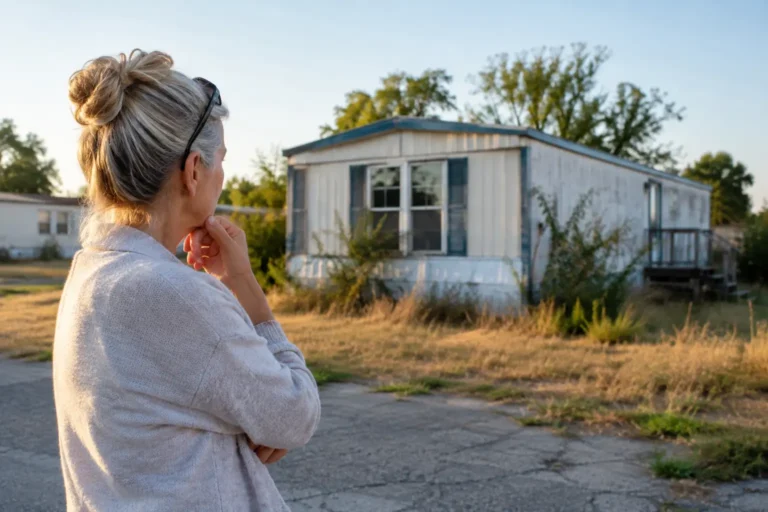


A buyer can be ready, your title can be in hand, and the price can be agreed on – yet a sale can still stall because of mobile home park rules. If your home sits in a community, the park has a real role in what happens next. That can mean approving the buyer, setting move-out expectations, requiring past-due lot rent to be paid, or deciding whether the home can stay in the park at all.
For owners across Greensboro, Winston-Salem, High Point, and Central North Carolina, these details are often the difference between a smooth sale and a last-minute problem. The good news is that most issues can be identified early. You do not have to guess, and you should not wait until a buyer is standing in your living room to ask the park manager what is required.
Why Mobile Home Park Rules Matter When Selling
When you own a home in a mobile home park, you usually own the home but rent the lot underneath it. That creates two separate pieces of the transaction: the home’s ownership and the right for someone to keep the home on that lot.
A buyer may need park approval before they can become a resident. If they are not approved, they may not be allowed to live in the home where it sits. In some cases, they could still buy the home and move it elsewhere, but moving a manufactured home is expensive, specialized work. It may also be impossible if the home is too old, has structural issues, or another park will not accept it.
That is why a buyer who understands manufactured housing is different from a buyer who only understands regular real estate. A practical sale plan accounts for the park, the title, lot rent, condition of the home, and whether the buyer intends to stay or move the home.
Start With the Park’s Written Rules
Do not rely only on what a neighbor heard or what was true when you moved in years ago. Ask the park office for the current community rules, lease terms, and any resale or move-out requirements. Keep your request simple and get the answer in writing when possible.
You are looking for clear answers to a few basic questions: Can the home be sold in place? Does the incoming buyer need to apply? Are there age, condition, or appearance standards for homes staying in the community? What notice is required before a resident leaves or a home is moved?
Rules can change with new ownership or new management. A community may allow older homes to remain but refuse to approve a new resident unless repairs are made. Another park may permit sales in place but require a background check, income verification, or application fee from the buyer. Those terms may feel frustrating, but knowing them upfront gives you a realistic path forward.
Buyer Approval Is Often the Biggest Hurdle
Many parks require every adult occupant to complete an application. The park may review income, rental history, criminal background, credit, household size, pets, vehicles, and other occupancy requirements. The approval process belongs to the park, not the seller.
This matters because you should not promise a buyer that they can stay in the home until the park confirms it. It also means you should be cautious about accepting a small deposit from a buyer who has not applied. If they are denied, you are back to square one unless your agreement clearly addresses what happens next.
If you need to sell fast, ask how long approval typically takes and whether the park has a specific application packet. A few days can be manageable. An unclear process that stretches for weeks can cost you a serious buyer and add another month of lot rent.
Lot Rent Must Be Addressed
Past-due lot rent can stop a sale, complicate title transfer, or create tension with management. Ask for your current balance, including late fees, utility charges, and any other amounts the park says are due. If you are behind, do not assume the buyer will take over the balance unless that has been specifically approved and documented.
You should also find out how rent is handled at closing. Some parks require the seller to be current before a new lease can begin. Others may prorate rent between seller and buyer. If the home is being moved, you may owe rent through the date it physically leaves the lot, not simply the date the title changes hands.
A cash offer may still be possible when lot rent is behind, but the numbers have to be handled honestly. A straightforward buyer should explain what will be paid, what will be deducted, and when the park will be notified.
Selling in Place Versus Moving the Home
There are two basic ways to sell a park home. The easier route is selling it in place to a buyer approved by the community. The buyer takes ownership of the home and enters into a new lot lease with the park. This usually avoids transport costs, setup work, permits, and the challenge of finding another legal location.
The other option is selling the home to someone who will move it. That can work when the park will not allow the home to remain, the buyer owns land, or the home has value despite not fitting the community’s current standards. But it is not a simple backup plan.
Before listing a home as “must be moved,” find out whether it can actually be moved. The buyer or mover may need to inspect the frame, axles, wheels, tie-downs, roofline, and overall condition. They may need permits, utility disconnects, transport insurance, road clearance, and a destination that meets local zoning and installation requirements. A home with major damage, missing components, or age-related restrictions may be difficult to relocate.
If you are facing a deadline, do not build your entire plan around a move unless a qualified buyer and mover have confirmed the logistics. A sale in place can be faster, but it depends on park approval. A move may offer more flexibility, but it usually brings more expense and coordination.
Watch for Condition and Compliance Issues
Some parks inspect homes before approving a sale or new resident. They may require basic exterior repairs such as skirting, steps, handrails, broken windows, roof leaks, peeling siding, or yard cleanup. They may also prohibit unregistered vehicles, outdoor storage, certain pets, or additions that were never approved.
If the home has a permit issue, an unapproved porch, storm damage, or serious deferred maintenance, ask the manager exactly what they require. Do not spend money on repairs based on assumptions. In some situations, a direct buyer may purchase the home as-is and handle the work. In others, the park may require specific items to be corrected before anyone can live there.
The key is separating a real requirement from a casual request. Get a list, ask about deadlines, and understand whether the issue affects the home’s ability to stay in the park or only affects a buyer’s approval.
Keep the Title and Park Paperwork Separate
A park manager cannot replace the legal title paperwork needed to transfer ownership. You may need the mobile home’s certificate of title, a valid bill of sale, lien releases if applicable, and accurate information for every owner listed on the title. If an owner has passed away, the estate or heir paperwork may need attention before the home can be sold.
At the same time, the park may have its own forms: notice of sale, resident application, lease termination notice, move-out authorization, or a statement showing the lot balance. These are separate from the title transfer, but both sides have to line up.
Do not wait until closing day to discover a missing title, a second owner’s signature, or a park balance you did not know about. These are common problems, not reasons to panic. They simply take time to resolve, and time matters when you are trying to avoid more rent, eviction, or a forced move.
A Practical Checklist Before You Accept an Offer
Before you commit to a buyer, confirm these items with the park and with the buyer:
- Whether the home can be sold in place and whether the buyer must be approved first.
- Your current lot rent balance, late fees, utility charges, and final payment expectations.
- Any required repairs, cleanup, inspections, or compliance corrections.
- The notice period and requirements if the home will be moved.
- Whether your title is available, accurate, and ready to be signed.
These calls can feel like one more burden when you are already dealing with a move, financial pressure, divorce, inheritance, or an empty home. But they protect you from accepting an offer that cannot close.
Get Help Before a Park Problem Gets Bigger
You do not need a perfect home or a perfectly simple situation to sell. You do need a buyer or specialist who asks the right questions early. At Triad Mobile Homes LLC, we regularly work with owners dealing with park restrictions, lot rent issues, title problems, damaged homes, and tight deadlines across Central North Carolina.
A fair cash offer is not just about a number. It is about whether the buyer can actually close, communicate with the park when appropriate, and handle the hard parts without leaving you with surprises. If you are unsure what your community requires, start by getting the rules in writing, gather your title paperwork, and ask for a no-obligation offer that accounts for the real situation.