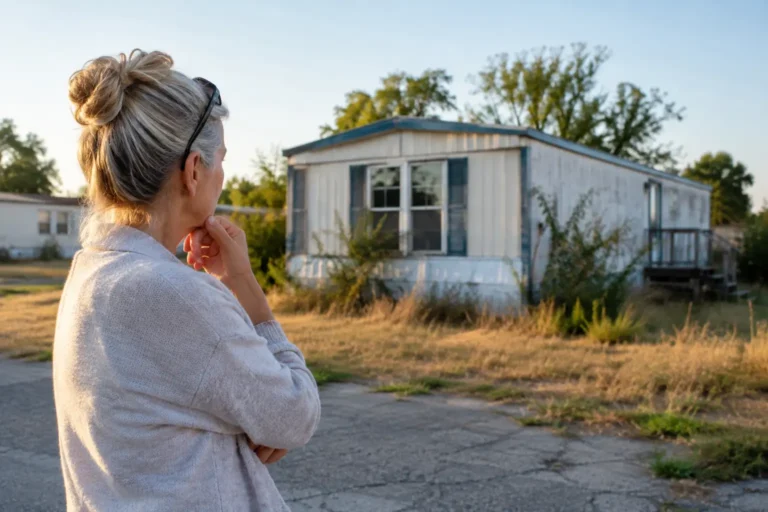


A vacant mobile home can turn into a problem fast. Lot rent keeps coming due. The home may need cleaning, repairs, or a title transfer. The park may have buyer rules. And when you are already dealing with a move, inheritance, divorce, or financial pressure, posting ads and waiting for strangers to show up is the last thing you need.
This mobile home sale success story is a composite based on common situations Central North Carolina owners face. The details are simplified, but the problems are real – and so is the kind of straightforward path that can get an owner to the finish line.
A Mobile Home Sale Success Story That Started With a Vacant Home
After her father passed away, Denise inherited a 1998 single-wide in a mobile home community outside Greensboro. She lived more than two hours away, had a full-time job, and had never sold a manufactured home before. The home had been vacant for several months. It was dated, cluttered, and needed minor repairs after a small plumbing leak.
At first, Denise assumed she should list it herself. She took pictures, asked a few local contacts what it might be worth, and considered putting it on Facebook Marketplace. Then she learned what the sale would actually require.
The community needed to approve the next resident. The home’s title paperwork was not immediately available. There were questions about back lot rent and whether the buyer would need to move the home. On top of that, Denise did not want to drive back and forth for showings, clean-outs, or negotiations with people who might never follow through.
Her goal changed. She was no longer trying to chase the highest possible asking price. She wanted a fair cash offer, a clear closing date, and someone who understood the work involved in selling a mobile home in a park.
The Problem Was More Than the Condition of the Home
A traditional sale can make sense when a home is newer, well maintained, located on private land, and the seller has time to market it. But mobile home sales have extra moving parts. A buyer may need park approval. Titles must be transferred correctly. If the home is being moved, transport, permits, setup, and site access can affect who is willing to buy and what they can pay.
For Denise, the condition of the home was only one issue. The bigger issue was uncertainty. She could spend weeks cleaning it out and making repairs, only to have a buyer back out when they learned about the park’s requirements. She could accept an offer from a cash buyer who later asked to renegotiate. Or she could keep paying lot rent while trying to sort out paperwork from a distance.
That is where a direct sale can be useful. It is not always the route that produces the highest retail price. It is often the route that gives an owner the most certainty when time, condition, or logistics matter more than a long sales process.
A Simple Process Replaced Weeks of Guesswork
Denise shared the basics of the home: its location, year, size, condition, whether it was on leased land, and what she knew about the title. She did not need to repair the leak damage, remove every item, stage the rooms, or schedule open houses before starting the conversation.
A local mobile home buyer reviewed the information and discussed the situation directly. They asked practical questions that a general real estate agent or random online buyer might overlook: Was the home currently occupied? Was lot rent current? Did the community allow the home to stay in place? Was there one title or more than one? Did Denise have any paperwork from the original purchase?
Those questions mattered because they helped identify the real path to closing. Rather than pretending every mobile home sale is simple, the buyer could account for the home’s condition, the park’s rules, and the title work before making an offer.
Within a short time, Denise received a no-obligation cash offer. It was not based on a perfect, remodeled home. It reflected the actual situation: an older home, needed cleanup, a park location, and paperwork that required attention. Just as importantly, the offer gave her a firm starting point instead of another vague promise from an interested shopper.
What Made This Sale Work
The sale moved forward because the hard parts were handled early, not pushed onto Denise at the last minute. The buyer coordinated with the community, clarified what paperwork was needed, and set a closing plan that worked around her travel schedule.
Denise did not have to pay a realtor commission. She did not have to list the property, manage dozens of messages, or let strangers walk through her father’s home. She did not have to invest money in cosmetic upgrades that might not have increased her return enough to justify the expense.
There were trade-offs. A cash offer for an as-is mobile home is usually lower than the top number a seller might hope to get after repairs, marketing, and a longer wait. But the retail number is not the same as the amount a seller actually keeps after lot rent, repairs, travel, cleaning, commissions, and months of uncertainty.
For Denise, the fair outcome was the one that allowed her to stop paying monthly costs, resolve the inherited property, and receive cash without carrying the project for another season.
The Closing Was Not Dragged Out
Once the title questions and community requirements were addressed, the sale closed on the agreed timeline. Denise signed the needed documents, received payment, and no longer had to worry about the vacant home or the next lot-rent bill.
That is what a successful mobile home sale often looks like. It is not always a dramatic bidding war or a perfectly renovated home. Sometimes success is getting a difficult property sold cleanly, fairly, and without another round of stress.
For owners facing eviction risk, repossession, an inherited mobile home, a divorce, tenant damage, storm damage, or a home that simply needs more work than they can take on, speed and certainty can be worth more than a long-shot retail listing.
When an As-Is Cash Sale May Be the Right Choice
A direct cash sale may be a good fit if your home is older, needs repairs, has been vacant, or sits in a community with strict approval rules. It can also help when you are out of state, behind on lot rent, dealing with title issues, or need to relocate quickly.
It depends on your priorities. If you have time, money for repairs, and a home likely to attract qualified retail buyers, marketing the home may be worth considering. If you need a straightforward exit with fewer moving parts, an as-is offer can be the more practical choice.
Triad Mobile Homes LLC works with owners across Central North Carolina who need help selling manufactured and mobile homes without the usual runaround. You can share the basic details of your home, review a fair cash offer with no obligation, and decide what works best for your situation.
A difficult mobile home does not have to become a long-term burden. The next useful step is simply getting clear on your options before another bill, deadline, or unexpected problem makes the decision for you.