

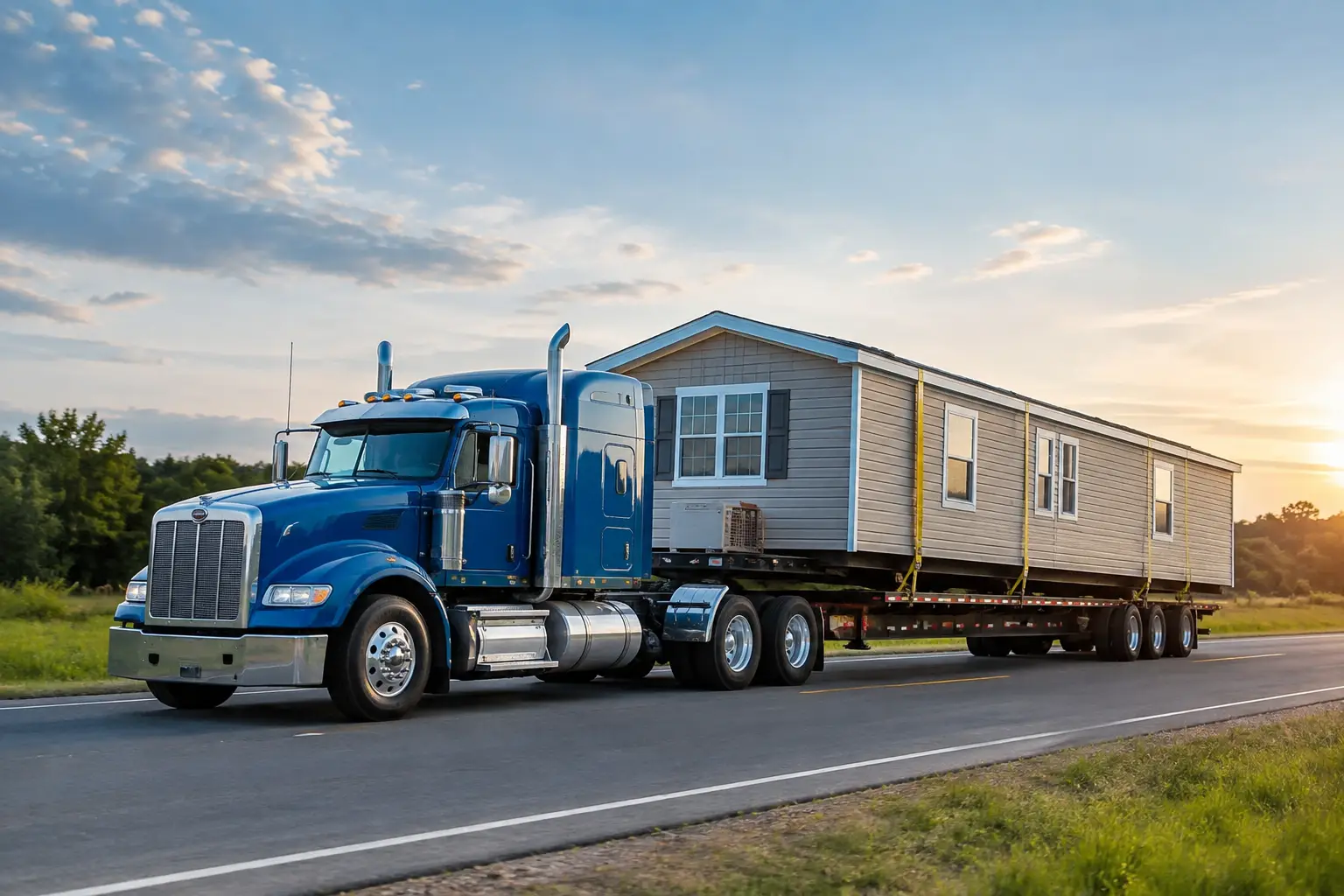
A manufactured home can look ready to move the moment you decide to sell it. In reality, manufactured home transport requirements can determine whether a move is practical, affordable, or even allowed. In Central North Carolina, the biggest issues usually are not the truck or the route. They are title status, mobile home park rules, local permits, the home’s condition, and whether a destination site is ready.
If you are selling because you need to relocate, are behind on lot rent, inherited a home, or simply want to be done with the property, get the facts before you promise a buyer that the home can be moved. A clear plan prevents expensive surprises and helps you choose between moving the home, selling it in place, or accepting a direct cash offer.
What Makes a Manufactured Home Move Possible?
A manufactured home is not moved like a standard trailer. The home must be detached from utilities, prepared for travel, transported by a licensed mover, and set up again at an approved destination. Double-wide and larger homes are generally separated into sections before transport, then reconnected and finished at the new site.
Whether a move makes sense depends on the home’s age, size, construction, condition, current location, and destination. An older home may still be movable, but a mover could decline it because of structural concerns, deteriorated floors, roof damage, missing axles, or the risk of damage during transport. A home that has been heavily renovated can also be harder to move if additions, decks, porches, or attached structures must be removed.
Distance matters, but it is not the only cost driver. A short move that requires extensive disconnection, tree trimming, permit work, and a difficult setup site can cost more than an easier move across several counties.
Manufactured Home Transport Requirements Before Moving
Start with ownership. A buyer, mover, park manager, or county office may ask for proof that you have the legal right to move the home. In North Carolina, that commonly means having the manufactured home’s title available and making sure it matches the seller or owner of record.
If the title is missing, signed incorrectly, still held by a lender, or belongs to a deceased family member, deal with that early. An inherited home may require estate paperwork before a sale or move can be completed. If there is a lien, the lienholder’s payoff and release process must be addressed. These are fixable problems, but they can delay a move if they are ignored until the truck is scheduled.
You should also gather the home details a mover will need: year, make, model, VIN or serial number, width, length, number of sections, and photos of the exterior and undercarriage. Accurate details allow the mover to assess the job instead of giving a low estimate that changes later.
Check the Mobile Home Park Rules First
If the home is in a mobile home park, review your lease and speak with park management before making plans. Many parks require written notice before removal, proof that lot rent is current, and a date for the move. Some require the lot to be cleaned after the home is removed, including debris, skirting, steps, utility connections, and personal property.
Do not assume a buyer can simply pull the home out after paying you. A park may require approval of the mover, confirmation that there is no unpaid balance, or advance coordination around access roads and utility shutoff. If you owe back lot rent or have a lease dispute, the park may have rights that affect your timing.
A park can also be the reason selling in place is the better option. If the home is allowed to remain and a qualified buyer can be approved by the community, that can eliminate major transport costs.
Confirm the New Location Can Accept the Home
A move is only as good as the destination. The new lot must be suitable for the home and approved under local rules. County and city requirements vary, so verify the specific property rather than relying on what was allowed years ago on another site.
The destination may need zoning approval, a manufactured home placement permit, a building or setup permit, and inspection of the foundation or tie-down system. There may also be septic, well, driveway, floodplain, setback, and utility requirements. If the home is being placed in another park, the buyer must usually complete that park’s application and receive approval before the move.
Older homes can face added restrictions. Some communities do not accept homes beyond a certain age, while some counties or municipalities may require that a used home meet specific standards before placement. Ask the receiving park and local permitting office directly. A verbal promise that a lot is available is not enough.
Permits, Routing, and the Actual Move
A professional manufactured home mover typically handles transportation permits and route planning, but the seller or buyer should understand what is involved. Oversize loads require permits, and the approved route may depend on road width, bridge clearances, overhead lines, traffic conditions, and construction activity.
The mover may need escort vehicles, utility coordination, or temporary removal of obstacles. Trees, fences, gates, carports, sheds, and porch structures can all create delays. If the home cannot clear the road out of a park or fit through a narrow driveway, the move may not be possible without additional work.
Before transport, utilities must be disconnected safely. That can include power, water, sewer, gas, cable, and phone service. The home also needs to be prepared by removing skirting, stairs, anchors, and attachments, securing doors and windows, and checking the frame, tires, axles, and hitch equipment. Not every home still has all transport components in usable condition, especially one that has been in place for decades.
At the destination, the job is not finished when the home arrives. It must be positioned, leveled, anchored, connected to utilities, and often inspected. Double-wides require marriage-line work and interior finish repairs after the sections are joined. Budget for these steps instead of looking only at the hauling quote.
Documents and Details That Prevent Delays
The right paperwork keeps a move from becoming a last-minute scramble. Have these items ready before you advertise the home as movable or set a move date:
- The original title or clear ownership documents, plus lien release paperwork if applicable.
- The home’s VIN or serial number, make, model, year, and dimensions.
- Written confirmation from the current park about move-out requirements and lot balance.
- Written approval or permit information for the destination lot, park, or county.
- A written estimate that separates transport, teardown, permits, setup, utility work, and cleanup.
Get terms in writing from the mover. Ask what the quote includes, what conditions could raise the price, who handles permits, whether setup is included, and what happens if weather, road restrictions, or site conditions delay the move. The cheapest quote is not always the lowest total cost.
When Moving Is Not the Best Option
Transporting a manufactured home is sometimes the right move, especially when the home is newer, well maintained, and going to a prepared site nearby. But there are situations where it makes more sense to sell the home where it sits.
If the home needs major repairs, has title complications, faces high moving costs, or is located in a park with interested buyers, selling in place can save time and money. This is especially true for owners dealing with eviction risk, an inherited property, divorce, vacancy, or a home they cannot afford to repair.
Triad Mobile Homes LLC works with Central North Carolina owners who need a practical answer, not more runaround. Depending on the home and situation, a fair cash offer or help finding a buyer may be a cleaner path than trying to coordinate every part of a move yourself.
Before you commit to transport, get clear answers from the park, the destination, and a qualified mover. A few phone calls and the right paperwork can protect you from a costly mistake and give you a straightforward way to move on.