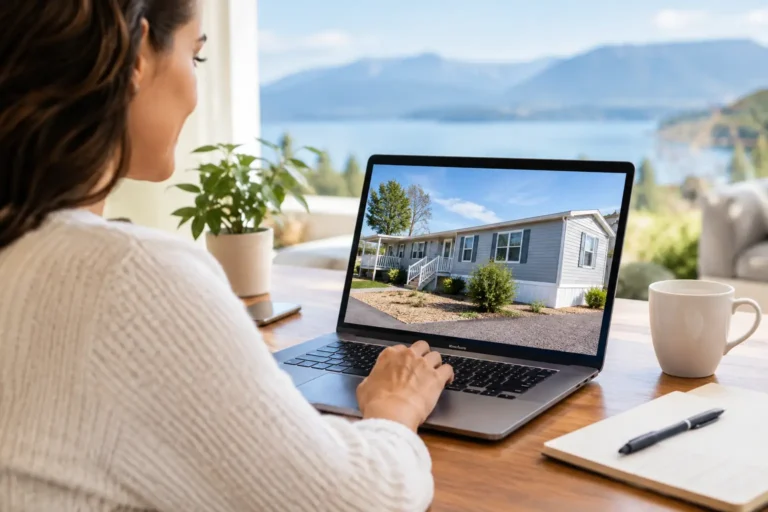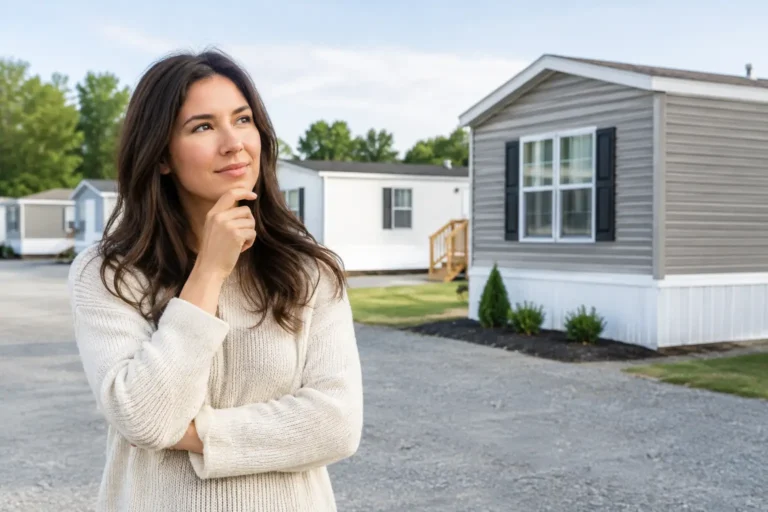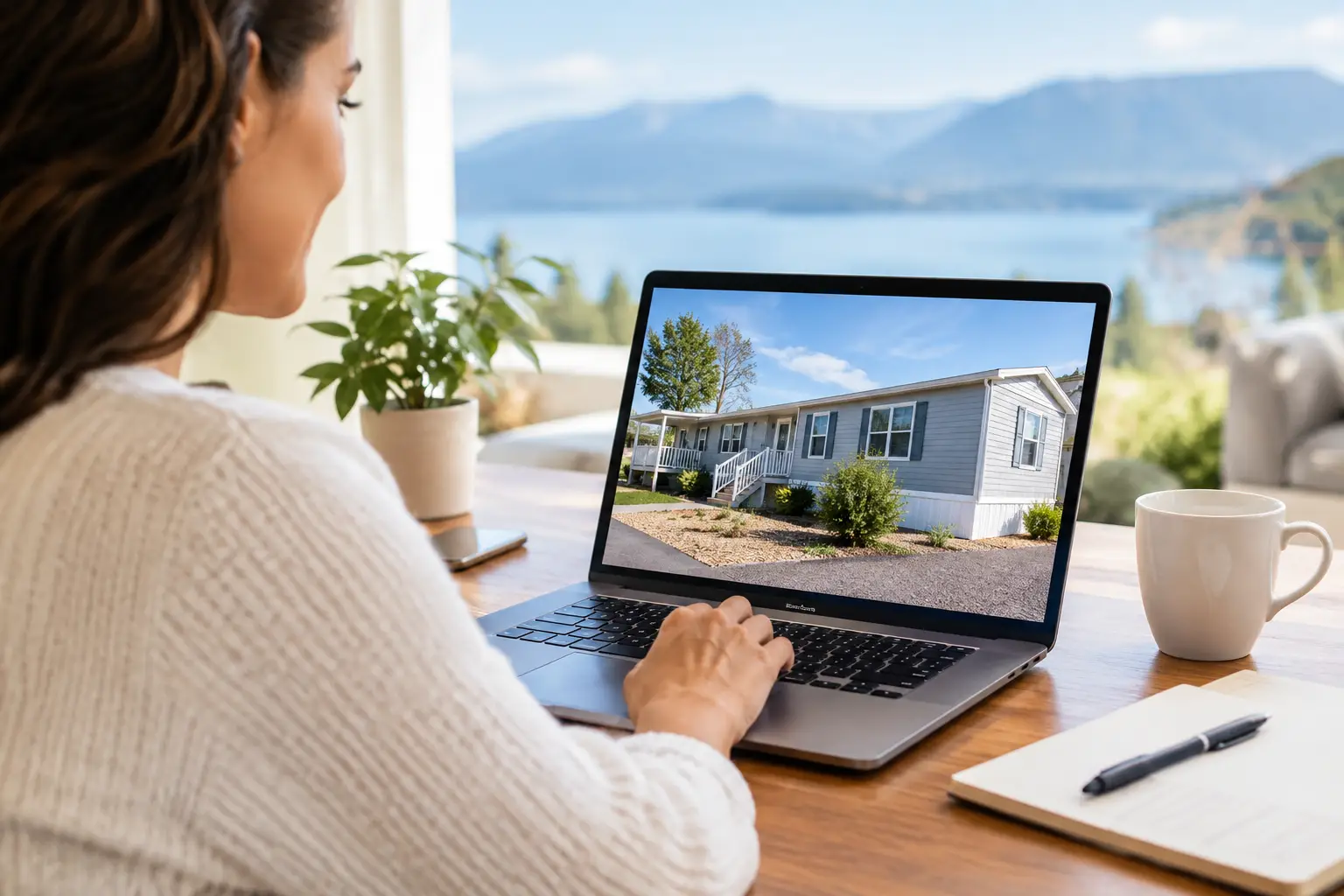
An inherited mobile home in Greensboro. A vacant unit in a Winston-Salem park. A property you left behind after a job move or divorce. When you need to sell a mobile home remotely, the hard part is rarely finding someone interested. The hard part is controlling the paperwork, park requirements, condition questions, and closing process without being there in person.
You do not need to make a trip just to clean out a home, coordinate showings, or chase buyers who disappear. You do need a clear plan, accurate information, and a buyer or sales partner who understands how manufactured-home transactions work in Central North Carolina.
Sell a Mobile Home Remotely by Getting the Facts First
Before you discuss price, gather the details that determine whether the sale can move quickly. A mobile home is not handled exactly like a site-built house. Where it sits, whether it can stay there, and who holds the title can all affect the buyer pool and the timeline.
Start with the home’s year, make, model, size, serial or VIN number, and current location. Confirm whether the home is located in a mobile home community or on private land. If it is in a park, find out the lot rent amount, whether payments are current, and whether the park requires its approval for a new resident or buyer.
A buyer may be willing to purchase the home, but that does not automatically mean the park will approve every buyer to keep it on the lot. Some communities have age rules, credit or background requirements, insurance requirements, or policies about older homes. Get those answers early so nobody wastes time chasing a deal that cannot close as expected.
Find the title and identify any payoff issues
The title is one of the first things a serious buyer will ask about. If you have the original title, take clear photos of both sides and keep it somewhere secure. If the title is missing, damaged, still in a deceased owner’s name, or shows a lender lien, say so up front.
None of those issues automatically means you cannot sell. They simply need a plan. A missing title may require a replacement process. An inherited home may need estate documents or authority from the personal representative. A loan balance may need to be paid from the sale proceeds or cleared before title can transfer. Waiting until closing to mention one of these problems is how an otherwise simple remote sale becomes delayed.
Create a useful remote file
You do not need professional real estate photos to start the conversation. You do need honest photos and basic documents that let a buyer evaluate the home without guessing. Put together photos of the exterior, kitchen, bathrooms, living areas, bedrooms, floors, ceilings, furnace or HVAC equipment if visible, and any damage.
Include photos of soft spots, leaks, missing skirting, broken windows, storm damage, or tenant damage. Being direct about condition protects your time. A real cash buyer can make an offer based on an as-is condition, while a buyer who expects a perfect home may not be the right fit.
If a trusted relative, neighbor, park manager, or handyman is nearby, ask them to take a short video walkthrough. They do not need to sell the home for you. Their job is simply to show what is there and help prevent surprises.
Price It for the Situation, Not Just the Best Case
Owners selling from another state often make one of two costly mistakes. They either accept the first low offer because they feel stuck, or they price the home as though it were fully repaired, empty, and ready for a retail buyer.
The fair number depends on condition, age, location, lot rent, title status, whether the home can remain in the park, and whether it must be moved. A home on private land may involve a different type of transaction than a home in a community. A home that must be moved can have a much smaller buyer pool because transport, setup, permits, and site preparation cost money.
If top dollar is your only priority, marketing the home and waiting for an approved retail buyer may make sense. That route can require repairs, cleaning, photos, buyer screening, showings, and time. If speed, certainty, and a clean exit matter more, an as-is cash offer can be the better trade-off.
A Straightforward Remote Sale Process
The simplest remote sale is one where each person knows what happens next. Avoid vague promises of a quick close without asking how the buyer will handle title transfer, park communication, payment, and possession.
1. Share the home details honestly
Give the buyer the location, year, size, condition, title status, lot rent information, and your reason for selling. You are not required to repair or stage the home before requesting an offer. Clear information is more valuable than a cleaned-up story.
For sellers in the Triad and surrounding Central NC markets, Triad Mobile Homes LLC can review those details and provide a no-obligation cash offer, often within 24 hours or less. The goal is to give you a real option without requiring you to list the home, pay a commission, or travel back for showings.
2. Confirm the terms before you agree
A fair offer should come with plain answers. Ask whether the buyer is purchasing as-is, who pays for any agreed closing costs, when payment will be made, and what happens with personal property left in the home. If the home is in a park, ask who will communicate with management and whether the buyer has confirmed the community’s rules.
Read the purchase agreement before signing. Make sure the seller name matches the title or estate paperwork, the home is correctly identified, the price is clear, and the closing date is realistic. If you have questions about legal authority, probate, liens, or a title problem, speak with the appropriate North Carolina professional before signing away your rights.
3. Sign and close without unnecessary travel
Many documents can be handled through overnight delivery, secure electronic communication, or a notary near you. The right method depends on the title, lender, park, and closing requirements. Do not assume a scanned signature alone is enough for a title transfer.
Keep copies of every signed document, shipment tracking number, payoff confirmation, and communication about possession. If the buyer is taking the home as-is, get the move-out or possession date in writing. That matters especially if lot rent continues until ownership changes or the home leaves the property.
Problems That Need Attention Early
Remote sellers are often dealing with more than distance. They may be behind on lot rent, facing eviction, handling a repossession risk, or trying to sell a home after a family member died. These situations can still be resolved, but silence makes them harder.
Tell the buyer if there are unpaid taxes, a lender, an estate issue, occupants, abandoned belongings, permit concerns, or park notices. A mobile home specialist can tell you what may be workable and what documents are needed. The earlier you raise the issue, the more likely you are to avoid last-minute delays.
Do not send an original title through regular mail without tracking or hand it to someone before you understand the written terms. You should also be cautious of buyers who will not identify themselves, refuse to explain their process, or pressure you to sign immediately without a clear purchase agreement.
You Can Move On Without Managing the Sale Yourself
Selling from a distance does not mean you have to become the photographer, repair crew, listing agent, showing coordinator, and paperwork chaser. It means choosing a process that accounts for the details that matter before they become emergencies.
If the home is costing you money, sitting vacant, or creating stress from another state, start by gathering the facts and requesting a straightforward offer. A clear answer and a workable closing plan can give you room to move forward without making another trip just to deal with a mobile home you no longer want.