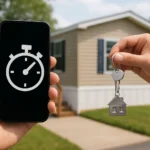
A mobile home sitting vacant can get expensive fast. Lot rent keeps coming due, small maintenance issues get worse, and a home that needs to move may lose buyers by the week. Mobile home consignment can be a reasonable way to sell when time is on your side, but it is not the right answer for every owner.
Consignment puts someone else in charge of marketing your home and finding a buyer. That can take work off your plate. It can also mean waiting for showings, buyer financing, park approval, title paperwork, and negotiations before you see any money. Before signing an agreement, know exactly what you are trading for that help.
What Mobile Home Consignment Actually Means
With mobile home consignment, a dealer, broker, or marketer agrees to advertise your manufactured home and try to sell it for you. The home remains yours until a buyer closes. The person handling the sale may post it online, share it with park contacts, answer calls, coordinate showings, and help with paperwork.
In return, you typically agree to pay a commission or a set fee when the home sells. Most consignment arrangements also give the dealer the right to market the home for a stated period. Some are exclusive, meaning you cannot sell it yourself or use another seller during the contract term without possibly owing a fee.
That is different from a direct cash sale. A direct buyer makes an offer, purchases the home from you, and takes on the next steps after closing. You may receive less than the highest possible retail asking price, but you are selling certainty and speed rather than waiting for the market to produce the right buyer.
What a consignment seller is still responsible for
A good consignment service can handle a lot, but it does not erase every seller obligation. You may still need to provide a clear title, pay current lot rent, allow access for photos and showings, and address park rules. If a buyer wants financing or the home needs to be moved, the transaction can become more involved.
Ask whether the home can stay occupied while it is listed, who handles buyer questions, and whether you are expected to repair, clean, or improve it before marketing begins. Never assume those details are included. Get them in writing.
When Consignment May Be a Good Fit
Consignment tends to make the most sense when the home is in decent condition, the title is available, and you can afford to wait. It may be worth considering if the home is in a desirable community, lot rent is current, and the park is accepting new residents. Those conditions make it easier to attract qualified buyers.
It can also work for owners who want help marketing but are not facing a deadline. Maybe you have already moved, but carrying costs are low. Maybe the home is clean, move-in ready, and likely to appeal to retail buyers. In that situation, waiting for a stronger offer may be a sensible choice.
The key word is may. A listed price is not a sold price. Buyers compare condition, age, park rules, lot rent, move-in costs, and financing availability. Even a well-marketed home can sit if the numbers do not work for buyers in that specific community.
Costs and Delays to Watch Before You Sign
A consignment agreement should be clear enough that there are no surprises when a buyer finally appears. Read the entire agreement, especially the parts covering fees, timing, and cancellation.
Common questions to ask include:
- What commission, marketing fee, or closing fee will I pay when the home sells?
- Is the agreement exclusive, and how long does it last?
- Do I owe a fee if I find my own buyer or sell after the agreement ends?
- Who pays for repairs, cleaning, towing, title work, or park transfer charges?
- What happens if a buyer is approved for the park but cannot complete the purchase?
The biggest cost is not always the commission. It may be months of lot rent, utilities, insurance, or loan payments while the home is being shown. For a vacant home, every extra month can add pressure. If you are behind on payments or lot rent, the timeline matters even more.
Be cautious about an asking price that sounds great but has no plan behind it. Ask how the price was determined, what comparable homes actually sold for, and how long similar homes have been on the market. A realistic price with an active buyer strategy is more useful than a high number that only keeps the home listed.
Park Rules Can Make or Break the Sale
For homes in a mobile home community, the buyer often needs park approval before the sale can be completed. Every park has its own standards. They may review income, background information, occupancy limits, pet rules, home age, and the condition of the lot.
That means finding a buyer is only part of the job. The buyer must also qualify to live there. If the park is not accepting applications, has strict screening requirements, or requires upgrades before approving a transfer, your pool of buyers may be smaller than expected.
Ask the park manager directly what is required for a new resident and whether there are any outstanding violations connected to the home or lot. Do not wait until you have an interested buyer to learn that skirting, steps, exterior repairs, or cleanup must be completed first.
If the home must be moved from private land or a community, transportation adds another layer. A buyer needs to account for permits, setup, utility connections, site preparation, and the condition of the home for transport. Older homes and homes with structural issues can be harder or more expensive to move. That can reduce what a buyer is willing to pay.
Consignment vs. a Direct Cash Offer
Neither option is automatically better. It depends on your home, your timeline, and how much uncertainty you can carry.
Consignment is generally built for owners pursuing a retail buyer and willing to wait. The possible upside is a higher gross selling price. The trade-off is that the final amount may be reduced by commission, ongoing expenses, repairs, buyer negotiations, and delays. There is no guarantee of when the sale will close.
A direct cash offer is generally built for owners who need a defined exit. There are no public listings, repeated showings, or need to wait for a retail buyer to be found. A legitimate direct buyer should explain the offer clearly and tell you what they can handle, whether that involves title questions, a park transfer, cleanup, or move coordination.
For homes with major repairs, tenant damage, storm damage, unpaid lot rent, inherited ownership issues, or a tight deadline, a direct sale is often more practical. The offer may not match a top retail asking price, but it can stop the carrying costs and remove the uncertainty of a long listing period.
Triad Mobile Homes LLC works with Central North Carolina owners who need that straightforward path, including sellers dealing with park-related challenges and homes that are not in perfect condition.
Decide Based on Your Deadline, Not Just the Price
Start with one honest question: what does keeping this home for another 30, 60, or 90 days cost you? Include lot rent, loan payments, insurance, utilities, travel, repairs, and the time it takes to manage calls and showings. That number gives context to every offer you receive.
Next, consider the home’s sale readiness. Is the title in hand? Is the park accepting new residents? Is the home clean enough to show? Does it need work that buyers will notice immediately? A consignment sale is easier when the answer to those questions is yes.
Finally, decide how much risk you are willing to accept. If you need to relocate, settle an estate, avoid repossession, or end an ongoing financial strain, certainty may be more valuable than holding out for a higher number. If you have time and the home is market-ready, consignment may be worth testing with a clear, short agreement.
Protect Yourself With Clear Terms
Whether you choose consignment or a direct buyer, keep the process simple and documented. Confirm who has authority to sell, gather the title and any ownership documents, and ask for every fee and condition in writing. If there is a lien, missing title, probate issue, or dispute over ownership, disclose it early. Problems are easier to solve before a buyer is waiting.
Do not sign a long exclusive agreement just because someone promises a high price. Ask what happens if they do not produce a qualified buyer. A fair agreement should explain the marketing plan, compensation, contract length, cancellation terms, and who controls the final decision to accept an offer.
The right sale is the one that fits your real situation. If waiting for a retail buyer keeps costing you money or sleep, getting a clear no-obligation cash offer gives you a practical number to compare before you commit to mobile home consignment.