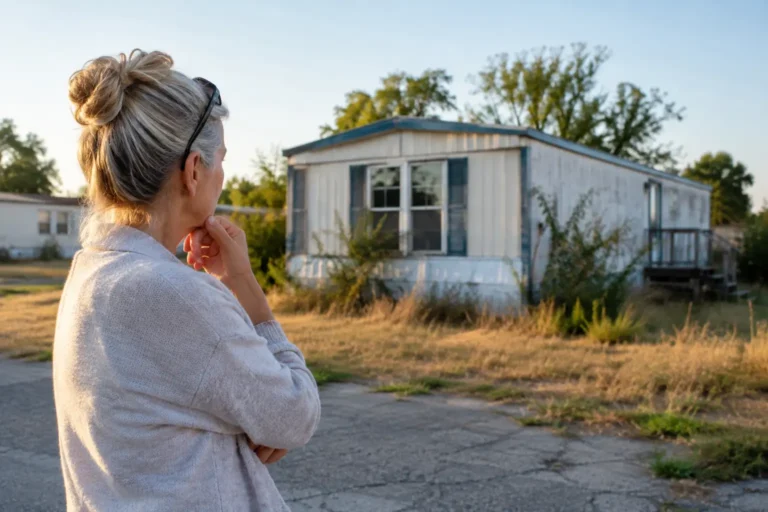


A soft spot in the floor, an aging roof, a damaged bathroom, or a home that has sat vacant for months can turn a simple sale into a costly decision. When weighing a cash offer versus repairs, the right answer is not always the one that promises the highest price on paper. For many North Carolina mobile home owners, the better question is: How much time, money, and uncertainty can you afford to put into this home before you need to move on?
A repaired home may bring a higher asking price. But repairs do not guarantee a buyer, approval from a mobile home park, or a smooth closing. A fair cash offer for a home sold as-is can be the more practical path when speed, certainty, and fewer moving parts matter most.
Cash Offer Versus Repairs: Start With Your Real Goal
If you have time, savings, and a home that only needs minor cosmetic work, making a few improvements may make sense. Fresh paint, basic cleaning, and small fixes can help a well-kept manufactured home show better to retail buyers.
That is not the situation many sellers are facing. You may be behind on lot rent, relocating for work, handling a divorce, settling an estate, or trying to deal with a vacant home from another state. You may have repair needs that go far beyond paint and cleanup. In those cases, putting more money into the home can create a bigger problem instead of solving one.
A cash buyer looks at the home in its current condition. You do not need to repair the roof, replace flooring, remove unwanted belongings, or prepare for repeated showings. The offer accounts for the work needed, and you get a clear path to sell without paying for the repairs upfront.
The Repair Cost Is Usually More Than the Estimate
Owners often begin with one project in mind: fix the floor, replace a water heater, repair a leak, or update a bathroom. Once work begins, the scope can grow fast. Water damage may reveal soft subflooring. A roof leak can lead to insulation, ceiling, and wall repairs. Older electrical or plumbing issues may need attention before a buyer, lender, or park will accept the home.
Then there are the costs that do not show up on a contractor’s first estimate. You may need to pay for dumpsters, materials, permits, labor, travel, storage, utilities, insurance, or lot rent while the home is being fixed. If you are not nearby, managing contractors and checking work can become another full-time job.
Repairs also carry no guarantee of return. A seller might spend $8,000 improving a mobile home and find that buyers still want a price reduction, financing falls through, or the community has restrictions that narrow the buyer pool. The home may sell for more eventually, but the extra amount may not cover the repair bill, holding costs, and months of uncertainty.
Ask What the Repair Really Changes
Before spending money, be honest about what the repair accomplishes. Does it make the home safe and marketable, or does it simply make an older home look slightly better? Does the mobile home park require specific repairs before approving a new resident? Is the home on private land, and will it need to be moved?
A repair is more likely to pay off when it is inexpensive, clearly needed, and directly improves buyer appeal. It is less likely to pay off when the home has multiple major issues, the title is missing, the home must be moved, or you need to sell quickly.
What a Cash Offer Changes
A cash offer is not magic, and it may be lower than the price you hope to receive after a full renovation. The trade-off is that it replaces a long list of unknowns with a straightforward sale.
With a direct cash sale, there is generally no need to wait for a buyer’s bank financing. You avoid preparing the home for open houses, negotiating repair requests after an inspection, and wondering whether the buyer will back out near closing. For a manufactured home, those advantages can matter even more because financing options are often limited and park approval requirements can affect a deal.
A qualified local buyer should explain the offer clearly and give you room to decide. There should be no pressure and no obligation to accept. You should know whether the buyer is purchasing the home as-is, what paperwork is needed, and how quickly the sale can close.
For sellers who need a clean exit, the value is often not just the cash amount. It is the ability to stop paying lot rent, stop worrying about damage or trespassing, and stop carrying a property that has become difficult to manage.
Compare Your Net Result, Not the Asking Price
The highest possible asking price is not the same as the most money you take home. To compare your options fairly, subtract the costs of preparing and selling the home from the price you expect to receive.
A traditional or owner-listed sale can involve repair costs, cleaning, hauling, advertising, buyer concessions, title work, lot rent, insurance, utilities, and months of holding costs. If an agent is involved, commissions may also reduce your proceeds. Even if you market the home yourself through community contacts or social media, you are still responsible for calls, showings, buyer screening, negotiations, and paperwork.
A cash offer may be lower upfront because the buyer is taking on the repairs, resale risk, and work of finding the next buyer. But if it lets you sell in days or weeks instead of months, the net difference can be much smaller than it first appears.
Here is a simple way to look at it: if repairs cost $12,000, carrying the home for three more months costs $2,100, and the best likely resale increase is $15,000, you are taking on a lot of work and risk for a possible small gain. If additional problems appear or the buyer asks for a discount, that gain can disappear entirely.
When Repairs May Be Worth It
Repairs can be a reasonable choice if the home is structurally sound, you are not under a deadline, and you can pay for the work without creating financial strain. They may also make sense when the repairs are limited to affordable cosmetic updates and there is strong demand for similar homes in your park or area.
It can help to get realistic numbers before deciding. Ask for repair estimates, check what similar mobile homes actually sell for, and confirm park requirements if the home is in a community. Do not base the decision only on online listing prices. A home can be listed at a high number for months without selling.
If you choose repairs, set a firm budget and timeline. Avoid starting a major project without enough funds to finish it. An unfinished mobile home renovation can be harder to sell than a home that is honestly offered as-is.
When Selling As-Is Is Usually the Better Move
A cash sale is often the stronger option when the home has serious damage, you are facing overdue lot rent or payments, or you need to relocate quickly. It is also practical for inherited homes, homes with tenant damage, homes affected by storms or leaks, and situations involving divorce, repossession risk, or code and permit concerns.
Mobile home transactions can have added complications. The title may need to be located or transferred. The park may need to approve a buyer. A home on private land may require a plan for moving, setup, or transport. These details can stall a retail sale even when the home looks good.
A buyer that specializes in manufactured homes can help sort through the operational side of the sale instead of leaving you to figure it out alone. Triad Mobile Homes LLC works with Central North Carolina sellers who need a fair cash offer and help handling the hard parts, including difficult-condition homes and complicated paperwork.
Get the Facts Before You Spend Another Dollar
You do not have to choose between a cash offer and repairs based on guesswork. Get a repair estimate if you want one, then request a no-obligation cash offer for the home as it sits. Compare the expected net proceeds, the timeline, and the amount of work each option puts on you.
If repairing the home gives you a meaningful return without delaying your plans, it may be worth considering. If the work will drain your savings, extend your stress, or leave you exposed to more surprises, selling as-is can be the cleaner answer. A fair offer gives you a number to work from, and a clear next step can be worth more than another unfinished repair project.