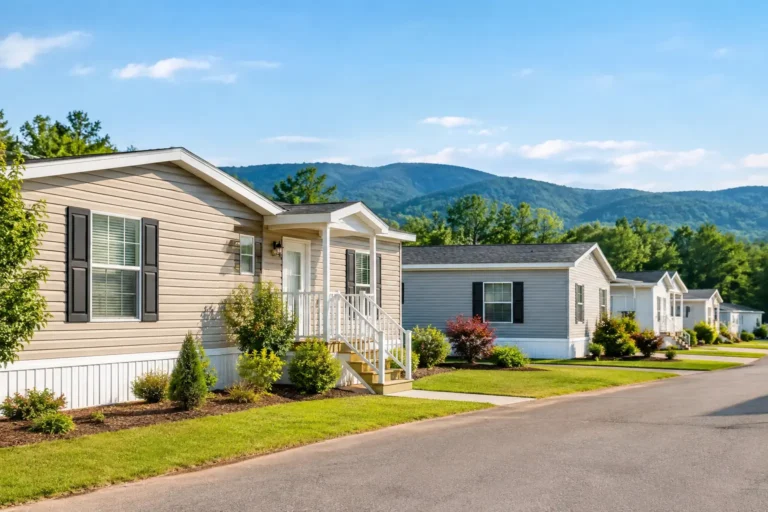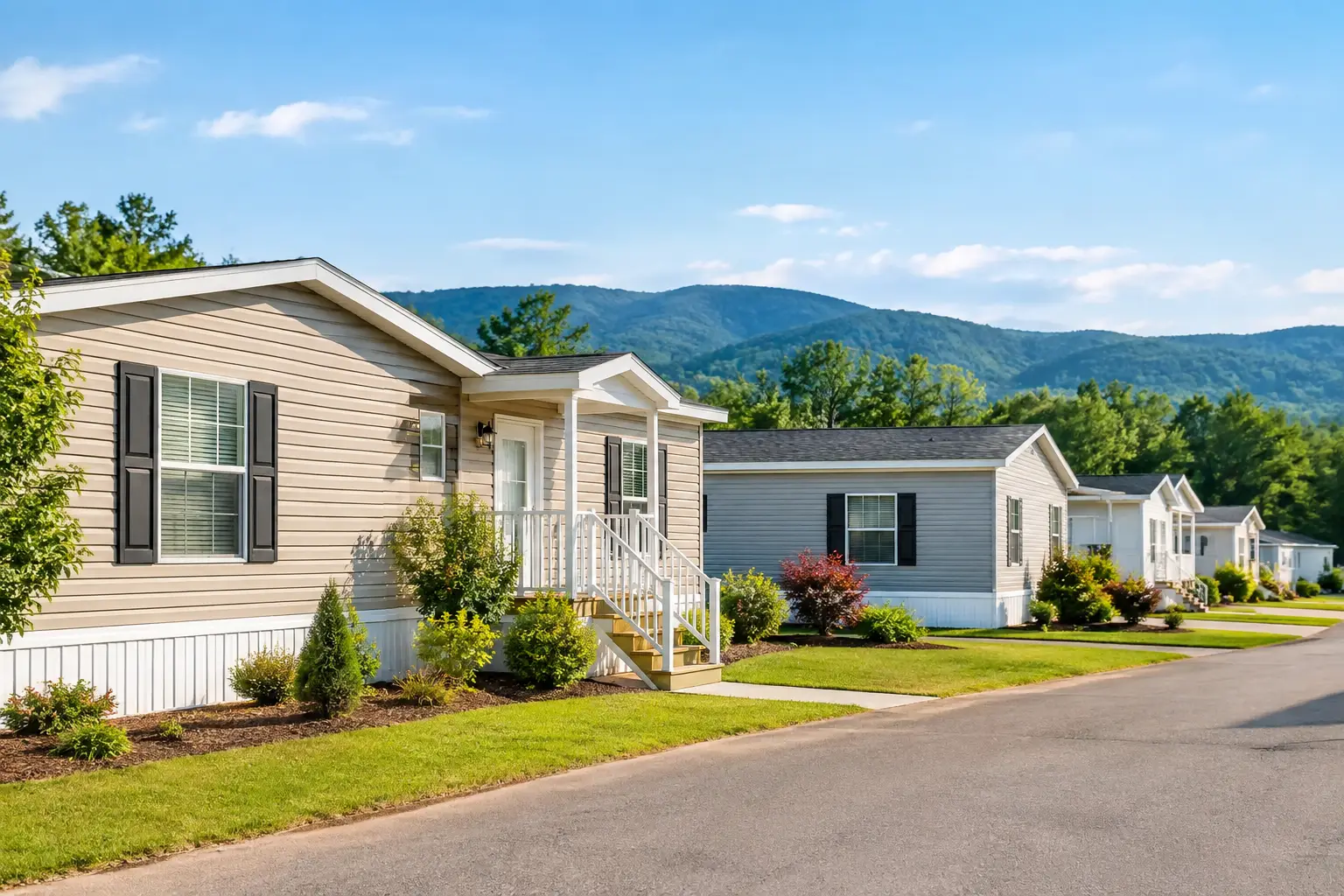
A manufactured home can become a problem fast when the situation changes before you are ready. Maybe you are relocating for work, dealing with an inherited home, behind on lot rent, or staring at repair bills you cannot take on. Understanding manufactured home market trends can help you make a clear decision without wasting weeks chasing buyers who may not be able to close.
For Central North Carolina owners, the market is not just about what similar homes are listed for online. The real value of a manufactured home depends on its condition, location, title status, park rules, and whether the next buyer can actually qualify to live there or move it. That is why a quick, straightforward sale often starts with knowing what is changing in the local market and what is not.
Manufactured Home Market Trends Shaping Central NC
Demand for attainable housing remains a major force behind manufactured home sales across the Triad and surrounding counties. Buyers looking for a lower monthly housing cost continue to consider manufactured homes, especially when traditional housing prices and rents stretch their budgets. Well-kept homes in desirable communities or on private land can draw strong interest.
But demand does not mean every home sells quickly through a traditional listing. The market is active, yet buyers are more selective when a home needs major work, has an older roof or HVAC system, or comes with unresolved title and park issues. A home may get plenty of messages on Facebook Marketplace and still fail to produce a serious buyer with cash, park approval, and a realistic closing plan.
That difference matters if you need certainty. An owner facing eviction, repossession, divorce, or a move out of state usually cannot wait around to see whether an interested shopper follows through.
Condition has a bigger effect than many owners expect
Manufactured homes are affordable for buyers in part because buyers are watching their total cost closely. A lower asking price may not overcome concerns about soft floors, water damage, missing skirting, an aging furnace, or needed electrical work. Buyers also know that financing an older home can be difficult, particularly when it is located in a mobile home park.
For a seller, this creates a practical choice. You can spend time and money repairing the home, cleaning it out, marketing it, and waiting for the right buyer. Or, if speed is more valuable than getting every possible dollar, you can sell as-is to a buyer who understands the work involved.
Neither route is automatically better. Repairs can make sense when the home is newer, the improvements are modest, and you have time to wait. They often make less sense when the home has extensive damage, lot rent is adding up, or the sale is tied to an urgent life event.
Mobile home park rules continue to influence sales
A manufactured home in a community is not the same as a home on private land. In most parks, the buyer must be approved by management before they can take over the lot lease. Some communities have age restrictions, background or income requirements, rules about exterior condition, or limits on whether an older home can remain in the park.
Those requirements can reduce the pool of buyers, even when the home itself is priced fairly. They can also slow down a do-it-yourself sale because each interested buyer needs to understand the community’s process before the deal can move forward.
For homes that must be moved, the situation gets more complicated. The buyer has to find land, obtain permits where required, arrange transport, prepare the destination, and pay for setup. Moving costs can be significant, and not every older manufactured home is a good candidate for relocation. A local buyer who understands park requirements and transport logistics can be worth more than a high online offer that never reaches closing.
What Is Affecting Manufactured Home Values?
The number on a listing is not necessarily the amount an owner will receive. Real market value comes down to what a qualified buyer will pay after accounting for repairs, lot rent, title work, moving costs, and the time it takes to close.
Location is a major factor. Homes near Greensboro, Winston-Salem, High Point, and growing Central NC communities may have more buyer attention than homes in remote areas. Still, a good location does not erase a title problem or a park restriction. Likewise, a clean title and a solid home can create options even in a smaller market.
Age matters, but it is not the whole story. A well-maintained older home can still be sellable. A newer home with serious water damage or an abandoned interior can be harder to move. Buyers look at the actual condition, the community, and the total cost to make the home livable.
Lot rent is another pressure point. When lot rent rises or an owner falls behind, the timeline becomes more urgent. Every additional month can add fees and make an already stressful situation harder to solve. If you are considering a sale, it is usually better to start early rather than wait for notices, deadlines, or a forced move.
Why Cash Buyers Matter in This Market
Traditional buyers are often limited by financing, park approval, or the need to sell another property first. Cash buyers are not always the highest-price option, but they can remove obstacles that cause manufactured home deals to fall apart.
A legitimate cash offer should be straightforward. You should know the price, the expected closing timeline, and who is handling the paperwork. There should be no pressure, no surprise commissions, and no requirement that you repair, clean, or stage the home just to receive an offer.
For sellers with complicated situations, the right buyer can also help identify the next step for a title issue, coordinate with the park when appropriate, and determine whether the home is better sold in place or moved. That hands-on support matters because manufactured home sales have details that a standard real estate agent or an online lead generator may not understand.
Triad Mobile Homes works with owners throughout Central NC who need a direct answer, not a long list of tasks. If a cash purchase is not the best fit, there may still be options for marketing the home to active buyers. The key is being honest about the home’s condition, the community rules, and your timeline from the start.
How Sellers Can Respond to the Current Market
Start by gathering what you have. Find the title, purchase paperwork, serial or VIN information, current lot lease, and any notices from the park or lender. Do not delay a conversation just because you cannot find every document. Missing paperwork is common, and it is easier to address when there is time.
Next, be realistic about condition. Take note of leaks, floor damage, missing appliances, unpaid lot rent, or vacant-home issues. Clear information helps a serious buyer make a fair offer faster. Hiding problems rarely improves the outcome because they usually surface before closing.
Finally, decide what matters most: maximum possible price, speed, convenience, or certainty. If you have a flexible timeline and a clean, move-in-ready home, you may be able to test the retail market. If you need to sell quickly, avoid repair costs, or move on from a difficult property, an as-is cash sale may be the cleaner path.
The market will keep changing, but your situation deserves a solution now. A fair offer and a clear closing plan can turn a manufactured home from an ongoing burden into one less thing you have to carry.