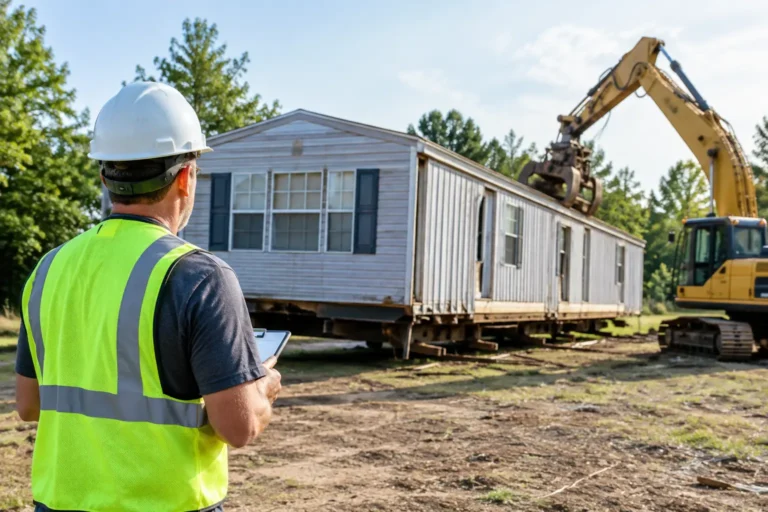


A mobile home can become expensive to hold when lot rent is due, repairs keep piling up, or a move needs to happen fast. Cash offers give North Carolina owners a direct way to sell without waiting on a lender, cleaning for showings, or hoping a buyer follows through. For many sellers, that certainty matters more than trying to squeeze out the highest possible listing price.
That does not mean every cash offer is automatically fair, or that every situation calls for a direct sale. The right path depends on your home’s condition, where it sits, whether you have a clear title, and how quickly you need to be done with it. Knowing what a legitimate offer should cover helps you make a decision with your eyes open.
What cash offers mean for a mobile home sale
A cash offer means the buyer has funds available to purchase your mobile home without relying on bank financing. There is no mortgage approval period, no lender-required appraisal, and usually no financing contingency that can derail the deal at the last minute.
For a manufactured home seller, the value goes beyond speed. Traditional buyers often need financing, and financing a used mobile home can be difficult, especially when the home is older, located in a park, needs repairs, or is being sold separately from land. A cash buyer can often work through those conditions more directly.
The process should still be clear. You provide basic information about the home, such as the year, size, location, condition, title status, and whether it is in a mobile home park or on private land. The buyer reviews the details, may schedule a walkthrough, and gives you an offer with the terms spelled out. If you accept, the parties complete the paperwork and arrange closing and payment.
A real cash offer is not a vague promise of what someone might pay someday. It should identify the purchase price, any conditions, the expected closing date, who handles title transfer, and whether the buyer is taking the home as-is.
Why owners choose cash offers
Selling a mobile home the traditional way can take more work than people expect. You may need to post ads, answer messages from strangers, coordinate visits, negotiate with buyers who disappear, and figure out whether the community will approve the new resident. If the home needs work, interested buyers may ask for steep discounts after they inspect it.
A direct cash sale cuts down that work. It can be a practical choice when the home is vacant, damaged, inherited, facing repossession, or costing money every month in lot rent and utilities. It can also help when an owner is relocating and cannot keep returning to Greensboro, Winston-Salem, High Point, or another Central North Carolina community to manage the sale.
Cash sales are commonly as-is. That means you generally do not need to replace flooring, repaint walls, haul away leftover belongings, or repair every issue before asking for an offer. Be honest about the condition, though. Water damage, soft floors, roof leaks, missing appliances, title problems, and park notices all affect what a buyer can pay and how the transaction needs to be handled.
The trade-off is straightforward: a direct buyer takes on the work, risk, resale effort, and sometimes moving costs after the purchase. Because of that, a cash offer may be lower than a best-case retail price for a clean, updated home that is marketed patiently to the right buyer. In return, you avoid many of the costs and uncertainty that come with waiting for that best-case buyer.
What affects a fair cash offer?
There is no single number that fits every manufactured home. Two similar homes can have very different values based on location and logistics alone. A home in a well-managed park with reasonable lot rent and a smooth approval process may be easier to sell than the same home on land where access, permits, or utilities need attention.
Condition matters, but it is not the only factor. A buyer will consider the age, manufacturer, size, roof condition, HVAC, plumbing, flooring, appliances, and overall cleanliness. They will also look at whether the home can stay where it is or must be moved. Moving a mobile home requires specialized equipment, permits, route planning, site preparation, and possible repairs before transport. Those costs can change an offer significantly.
Title status is another major piece. In North Carolina, a missing title, a lien, an estate matter, or incorrect ownership paperwork can slow down a sale. These issues do not always prevent a cash sale, but they need to be addressed honestly from the beginning. The sooner the buyer understands the paperwork situation, the more accurately they can explain the next steps.
If your home is in a park, ask about park rules before assuming a sale is simple. Many communities require the incoming buyer to apply and be approved. Some have rules about the age or condition of homes that can remain in the park. Others may require overdue lot rent to be brought current before a transfer. A buyer who understands mobile home communities will ask these questions early rather than discovering them after you have accepted an offer.
How to compare cash offers without getting pressured
Speed is valuable, but you should never feel rushed into signing paperwork you do not understand. A serious buyer will answer direct questions and give you enough information to evaluate the offer. No-pressure does not mean no questions. It means you get clear answers before deciding.
When comparing offers, look beyond the number at the top of the page. Ask whether the buyer is purchasing the home as-is, whether they expect you to make repairs or remove everything, and whether they are paying closing-related costs. Confirm the expected closing date and when you will receive payment. If the home needs to be moved, ask who is responsible for the move, permits, setup, and any park requirements.
It also helps to verify that the buyer understands the kind of home you are selling. Mobile homes and manufactured homes have details that do not come up in a typical house sale. A buyer who is unfamiliar with titles, community approvals, transport, and resale logistics may make a fast promise but struggle to close.
Watch for warning signs such as a buyer who refuses to put terms in writing, asks you to sign over a title before payment is arranged, adds surprise fees, or keeps reducing the price after agreeing to a number. A fair buyer explains the reason behind an offer, including repairs, transport, lot rent, or title work that affects the price.
When a direct sale makes the most sense
A cash offer is often the best fit when time and simplicity are your priorities. Maybe you inherited a home and live out of state. Maybe the home has tenant damage and you do not want another repair project. Maybe lot rent is behind, a divorce requires a quick resolution, or a job move has made the home a burden.
It can also make sense when the home is difficult to finance or market. Older homes, homes needing major work, and homes with title or park-related complications can sit longer with a traditional listing. A local buyer who handles these issues every day may be able to give you a practical path forward when a retail buyer cannot.
On the other hand, if your home is newer, updated, in strong condition, and you have time to market it, listing it yourself or working with a broker may bring a higher price. That route may be worth considering if you are comfortable managing ads, calls, showings, buyer negotiations, and the longer timeline. The goal is not to force every seller into the same option. It is to match the sale method to your actual situation.
A simple path to a fast sale
The first step is to gather what you know: the home’s year, size, address or park name, condition, monthly lot rent if applicable, and any title details. Photos can help a buyer understand the home quickly, but do not wait for perfect pictures if you need answers now.
Next, share the information and schedule a conversation or walkthrough. Triad Mobile Homes LLC can review homes across the Triad and surrounding Central North Carolina markets, including homes that need repairs or have complicated circumstances. You should receive a clear explanation of the offer, not a sales pitch designed to corner you.
Finally, review the terms at your own pace. If the price, timeline, and responsibilities work for you, complete the paperwork and plan for payment at closing. If they do not, you can keep looking. A legitimate cash offer should give you options, not take them away.
If your mobile home has become one more problem on an already full list, start by getting the facts about its condition, title, and location. A clear offer can turn a complicated situation into a workable next step.