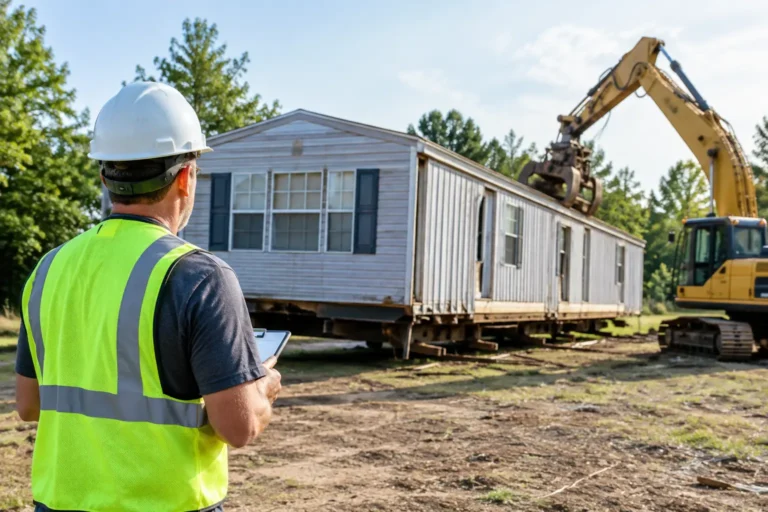


A mobile home sale can look very different depending on who is handling it. In the broker versus buyer decision, the real question is not simply, “Which option pays more?” It is, “Which path gets this home sold with the least risk, delay, and work for my situation?”
For some owners, having someone market the home and locate a retail buyer makes sense. For others, especially when lot rent is due, the home needs work, or a move is already planned, a direct cash buyer is the cleaner answer. Both routes can work. The right one depends on your timeline, the home’s condition, where it sits, and how much uncertainty you can afford to take on.
Broker Versus Buyer: The Main Difference
A broker or marketing service helps sell your mobile home to another buyer. They may advertise it, answer inquiries, coordinate showings, post it in community groups or marketplaces, and help move the deal toward closing. Their job is to find a qualified buyer, but the final sale still depends on that buyer following through.
A direct buyer purchases the home from you. There is no waiting for a retail buyer to appear, no repeated showings, and no need to keep answering messages from people who are “interested” but cannot get approved or do not have the cash. If the offer is acceptable and the details are clear, you move directly toward the sale.
That distinction matters because manufactured homes have extra moving parts. A buyer may need park approval, proof of funds, financing, title paperwork, insurance, or a plan for moving the home. A listing can attract attention without producing a completed sale. A direct buyer is designed for sellers who value a clear path over a long marketing process.
When a Broker May Be the Better Choice
Brokerage or marketing assistance can be a good fit when you have time to wait and want to test the retail market. If the home is clean, updated, properly titled, and in a desirable community, marketing it to end buyers may bring in stronger offers than a quick direct sale.
This route is often worth considering when you are not under pressure from a park, lender, tenant, or relocation deadline. You may be willing to prepare the home, allow people to walk through it, negotiate with several prospects, and wait for a buyer’s approval process. In return, you may have a better chance of reaching a higher gross sales price.
But gross price is not the same as money in your pocket. Before choosing a broker, ask what you will pay for marketing, commissions, repairs, cleaning, lot rent during the listing period, title work, and any buyer-requested concessions. Also ask who handles the calls, showings, park communication, and follow-up when a buyer backs out.
A broker can remove much of the work of finding a buyer. It does not remove all of the uncertainty. That is the trade-off.
A marketed sale usually takes longer
With a marketed sale, you are waiting for the right person to see the listing, make an offer, satisfy the park or lender requirements, and close. That can happen quickly, but it can also take weeks or months. Meanwhile, you may still be responsible for the monthly payment, insurance, utilities, maintenance, and lot rent.
This route can be especially difficult if the home is vacant. An empty home can become a target for leaks, vandalism, storm damage, or park concerns. If every extra month costs you money or creates more risk, the highest possible listing price may not be the best financial outcome.
When Selling Directly to a Buyer Makes More Sense
A direct sale is built for speed and simplicity. You provide the basics about the mobile home, receive an offer, review the terms, and choose whether to move forward. There is no obligation to accept an offer that does not work for you.
This approach is often the best fit when the home needs repairs, has been damaged, is filled with belongings, or is in a situation that makes retail marketing difficult. You do not have to spend your weekends repainting walls, replacing flooring, or getting the home ready for strangers to tour it.
It also helps when time is the main concern. Maybe you are moving for work, facing eviction or repossession, going through a divorce, handling an inherited mobile home from out of state, or falling behind on lot rent. In these cases, a fast, certain sale can be more valuable than holding out for a higher number that may never materialize.
A direct buyer should explain the offer in plain language. Ask whether the offer is cash, whether there are commissions or closing costs coming out of your proceeds, what happens with the title, and whether the buyer understands the rules of your mobile home park. Straight answers are a good sign. Pressure tactics are not.
The Price Question: Higher Offer or Better Outcome?
Sellers naturally focus on price first. You should. Your mobile home has value, and you deserve a fair offer based on its age, condition, location, title status, and whether it is staying in place or being moved.
Still, comparing offers requires more than looking at the top number. A retail buyer may offer more on paper but ask you to make repairs, wait for financing, pay continuing lot rent, or accept a closing date that keeps moving. A cash offer may be lower than a fully renovated retail asking price, but it can also eliminate costs and uncertainty that eat into the difference.
Think about net proceeds and timing together. If you need to spend thousands on repairs, carry the home for several more months, and pay a commission after the sale, the higher price can shrink fast. If your priority is a quick, clean exit, a direct sale may leave you with a better practical result.
There is no one right answer for every owner. A well-maintained home in a strong community with no deadline may be worth marketing. A home with title questions, major repairs, or urgent lot-rent problems may be better sold directly.
Mobile Home Details That Can Change the Decision
Mobile homes are not sold exactly like site-built houses. The paperwork and location can affect whether a brokered sale or direct buyer is more realistic.
If the home is in a park, find out whether the community requires the incoming buyer to apply and be approved. Some parks have strict age rules, condition standards, or limits on homes that can remain in the community. If the home must be moved, transportation, permits, setup, and site preparation can affect its value and buyer pool.
Title status is another major factor. A missing title, an old lien, a deceased owner’s name on the title, or a mismatch in the VIN can slow down a retail sale. These issues do not always stop a sale, but they need to be addressed honestly from the start. A mobile home specialist can help you understand the next steps instead of letting a problem surface at closing.
The home’s condition matters too. Cosmetic wear may be manageable for a retail buyer. Soft floors, roof leaks, water damage, electrical concerns, or incomplete renovations can make a traditional sale much harder. A direct buyer is often better positioned to take on homes that need serious work.
How to Choose Without Guessing
Start by being clear about your deadline. If you need the home sold in days or a few weeks, a direct cash offer is usually the more realistic route. If you can wait and the home is ready to show, marketing may be worth considering.
Next, total up the cost of waiting. Include lot rent, mortgage payments, insurance, utilities, repairs, cleaning, storage, travel, and the stress of managing the process. Then compare those costs against the likely difference between a direct offer and a retail sale.
Finally, ask who will handle the hard parts. Will someone verify title details, communicate with the park, coordinate a move if needed, and keep the transaction on track? A good seller solution does more than put a number on the home. It gives you a workable plan.
Triad Mobile Homes LLC works with Central North Carolina owners who need that kind of practical support, whether the best route is a direct cash sale or help finding the right buyer. The process starts with the facts about your home, not pressure or unrealistic promises.
If your mobile home has become one more problem on an already full plate, choose the option that gives you the clearest next step. A fair offer, honest timeline, and someone who understands manufactured-home paperwork can be worth far more than another month of waiting for a maybe.