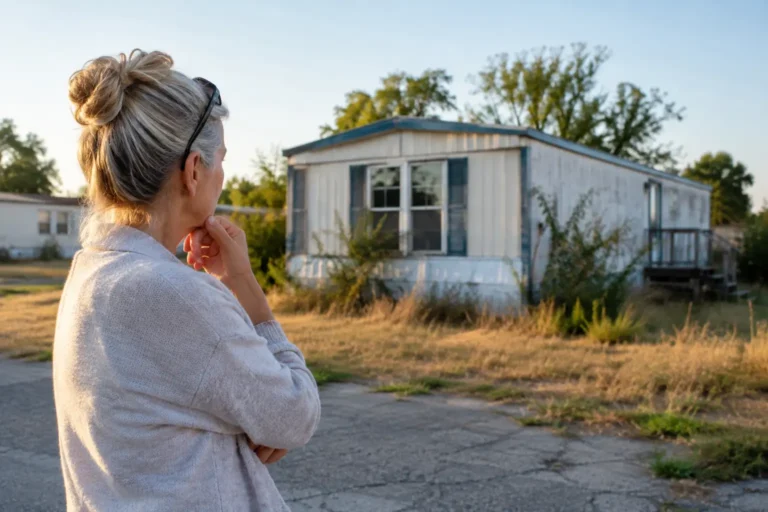

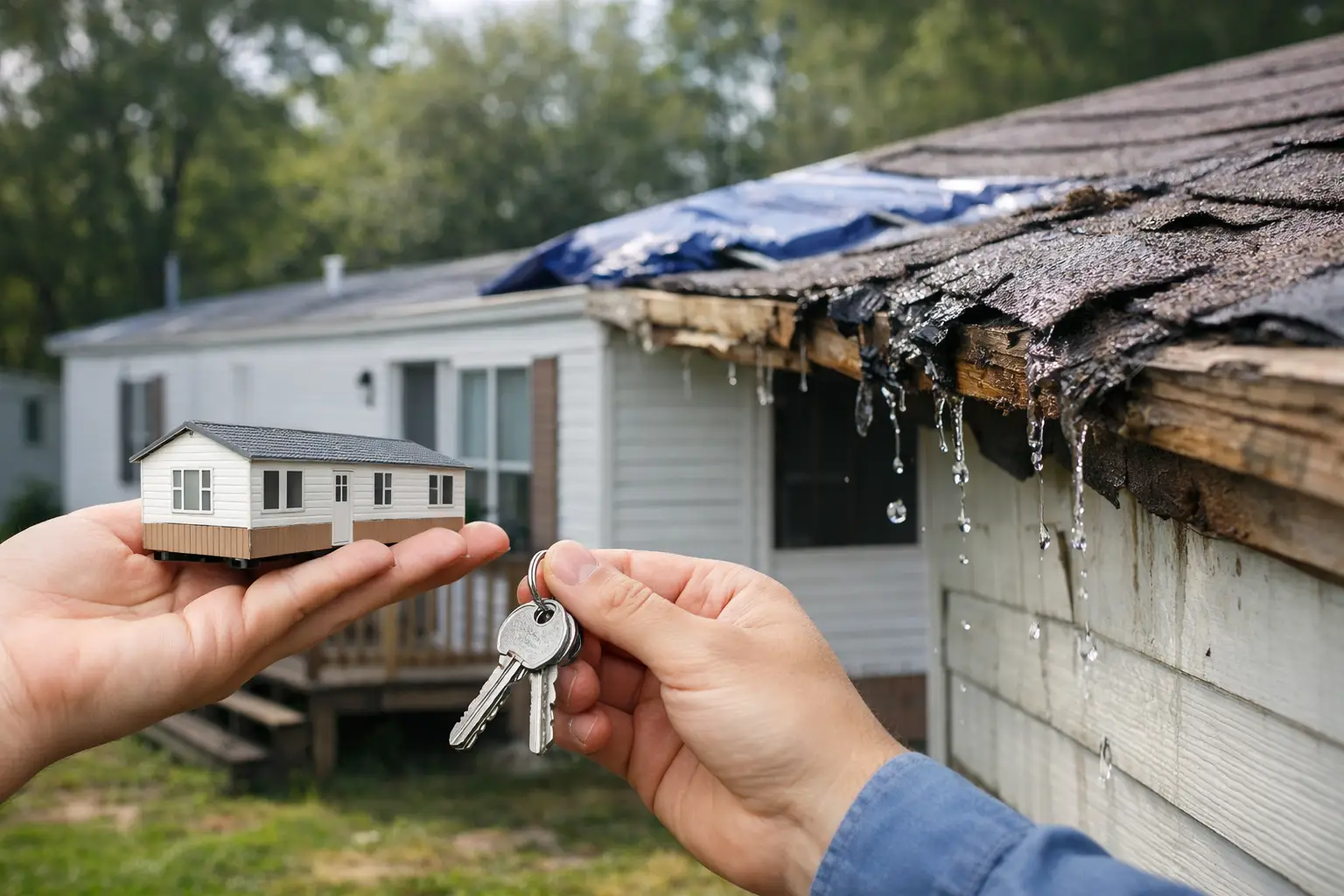
A roof leak changes the sale immediately. Buyers worry about hidden damage, soft floors, mold, bad ceilings, and whether the home can even stay in the park. If you’re wondering how to sell mobile home with roof leak, the good news is that you still have options – but the right path depends on how fast you need to move, how bad the damage is, and whether you want to deal with repairs at all.
For many sellers in Central North Carolina, the biggest mistake is treating a leaking mobile home like a standard house sale. It is not the same process. Manufactured homes come with extra moving parts like title status, park approval, lot rent, transport questions, and buyers who often have limited financing options. Once you add a roof problem, the pool of buyers gets smaller and more price-sensitive.
How to sell mobile home with roof leak without getting stuck
The first step is to be honest about the condition. If the roof is actively leaking, say so early. If the leak caused stains, sagging ceilings, soft subfloors, wall damage, or mold, disclose that too. Trying to hide a roof issue usually slows the deal down, not speeds it up. Most serious buyers will notice signs of water damage quickly, and if they find it late, they either walk away or renegotiate hard.
That does not mean you have to fix everything before selling. It means you need to choose a sale strategy that matches the home’s condition. In most cases, you have three real options.
You can repair the roof first and then sell. You can list the home as-is and wait for a buyer willing to take on the work. Or you can sell directly to a cash buyer who buys mobile homes in poor condition. Each option can work, but they lead to very different timelines and outcomes.
Option 1: Repair first, then sell
This path can make sense if the damage is limited, the rest of the home is in good shape, and you are not under time pressure. A repaired roof makes the home easier to market. Buyers feel less risk, and you may be able to ask more.
The trade-off is upfront cost, delays, and uncertainty. Roof repair on a mobile home can turn into more than patching a seam. Once contractors open things up, they may find rotten decking, insulation damage, ceiling damage, or framing issues. If the home is older, the repair bill can quickly outrun what you get back in the sale.
This option also assumes you have the cash to spend and the time to coordinate repairs. If you are behind on lot rent, dealing with an inherited home, relocating, or trying to avoid repossession, waiting on contractors may not help your situation.
Option 2: List it as-is on the open market
You can try to find an individual buyer who wants a project home. Sometimes that works, especially if the home is priced low and located in a desirable park or on private land. But a roof leak narrows your buyer pool fast.
Retail buyers often need financing, and financing gets harder when the home has visible damage. Even cash buyers from the public may hesitate if they do not understand mobile home repairs, park requirements, or title transfer rules. You may spend weeks answering messages, scheduling no-show appointments, and negotiating with buyers who disappear after seeing the leak.
If the home is in a park, approval can be another hurdle. Some parks screen buyers. Some restrict older homes. Some do not want homes with major deferred maintenance staying on site without repairs. So even if you find someone interested, the deal still has to fit the park’s rules.
Option 3: Sell directly for cash
For sellers who care more about speed, certainty, and less stress, this is usually the simplest route. A direct buyer looks at the home’s condition, estimates repair costs, checks title and location details, and makes an offer based on the current as-is value.
That means no repairs, no cleaning, no showings, and no waiting for a financed buyer to get approved. If the roof leak has already caused interior damage, that is built into the offer instead of becoming a surprise halfway through the deal.
You may not get top-dollar compared to a fully renovated home, but that is not the right comparison. The real comparison is what you net after repair costs, holding time, lot rent, cleanup, missed work, buyer fallout, and ongoing stress.
What affects the value of a mobile home with a roof leak
Not every roof leak has the same impact. A small leak caught early is very different from long-term water intrusion that has spread through the ceiling and floor.
Age matters. An older single-wide with original materials and visible damage usually takes a bigger price hit than a newer home with a localized issue. Roof type matters too. Metal roof problems, soft spots, failed seams, and storm damage all carry different repair expectations.
Interior damage is often the bigger issue. Buyers worry about soft floors, stained ceilings, damaged insulation, mold smell, warped walls, and electrical concerns. If the leak has been active for a while, they assume there may be more damage than what is visible.
Location matters just as much as condition. A home in a park with reasonable lot rent and a cooperative office may still be attractive. A home on private land may offer more flexibility. On the other hand, a home in a park with strict rules, back lot rent, or age restrictions can be harder to place.
Then there is paperwork. If the title is missing, the taxes are behind, the home was inherited, or the ownership record does not match, that can slow things down more than the leak itself. This is one reason many sellers prefer working with a mobile home specialist instead of trying to explain the whole situation to random buyers.
If the home is in a park, talk to management early
This step gets overlooked all the time. If your mobile home is in a park, find out what management requires before you put serious energy into selling.
Ask whether the home can stay in the park after the sale. Ask whether the buyer must apply and be approved. Ask whether there are age restrictions on the home, condition standards, or unpaid lot rent that must be resolved first. If the roof is leaking badly, management may already be concerned about exterior condition or code issues.
Knowing the park’s position helps you avoid wasted time. It also tells you whether you are selling the home to someone who will keep it in place or whether a move is more likely. Moving a damaged mobile home can create another layer of cost and risk, so that question matters.
Documents to gather before you sell
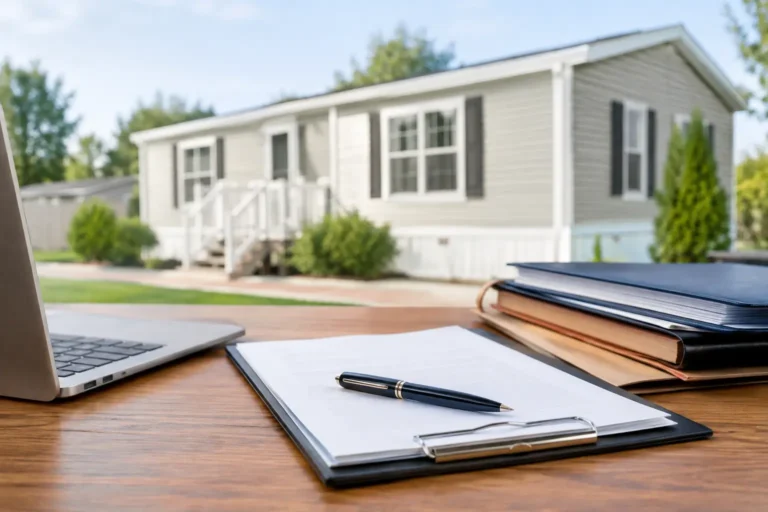
A fast sale usually comes down to clean information. Try to gather the title, bill of sale if you have one, VIN or serial number, tax records, and any park paperwork tied to the home. If you know when the leak started or what parts of the home were affected, write that down.
You do not need a perfect file to get an offer, but the more clearly you can explain ownership and condition, the easier the process gets. If there are title issues, probate issues, or payoff amounts on a loan, say that upfront. Those problems can often be worked through, but surprises slow everything down.
When selling as-is is the smarter move
A lot of owners feel embarrassed about selling a damaged home. They think they should fix it first or that no one will take them seriously. In reality, as-is sales happen every day, especially when the seller has a bigger priority than squeezing every last dollar from the property.
If you are dealing with a move, divorce, inherited home, vacancy, storm damage, or financial pressure, speed may matter more than remodel math. The same is true if the home has multiple issues beyond the roof, like bad floors, old plumbing, soft ceilings, or cosmetic damage that makes a retail sale harder.
This is where a direct buyer can remove a lot of friction. Companies like Triad Mobile Homes work with sellers who need a practical solution, not a long repair checklist. The goal is straightforward – assess the home, make a fair cash offer, handle the paperwork, and close fast so the seller can move on.
A simple way to move forward
If you need to know how to sell mobile home with roof leak, start by answering three questions. How bad is the damage? How fast do you need to sell? And do you really want to put more money into the home before it is gone?
If the leak is minor and you have time, a repair-first strategy may be worth exploring. If the damage is serious or your timeline is short, an as-is cash sale is usually the cleaner path. Either way, clarity beats delay. The faster you understand the home’s condition, park requirements, and paperwork status, the faster you can choose the right sale method and stop carrying the problem.
A leaking roof feels like the kind of issue that ruins a sale. It usually does not. It just changes who the right buyer is – and how quickly you should act.