
If you are wondering about the best improvements before selling a mobile home, start with this: not every fix adds value, and some repairs will cost more than they return. That matters a lot when you are already dealing with back lot rent, move-out deadlines, storm damage, title issues, or just the stress of needing to sell fast. The goal is not to make the home perfect. The goal is to make smart, low-risk improvements that help the home show better without sinking money into projects you will not get back.
For many sellers in Central North Carolina, the biggest mistake is over-improving. A mobile home is not priced the same way as a site-built house, and buyers usually care more about basic livability than high-end finishes. Clean, functional, and problem-free beats upgraded and expensive almost every time.
The best improvements before selling a mobile home are the basic ones
If you only have a limited budget, focus on repairs that remove obvious objections. Buyers notice leaks, soft floors, broken steps, missing trim, stained ceilings, damaged skirting, and non-working fixtures right away. Those issues raise a bigger question in the buyer’s mind – what else is wrong here?
A small repair that makes the home feel maintained can do more for your sale than a cosmetic project that looks nice but solves nothing. Fixing a dripping plumbing line, replacing broken outlet covers, securing loose handrails, or patching damaged wall panels may not be exciting, but these are the kinds of improvements that help a buyer feel more comfortable moving forward.
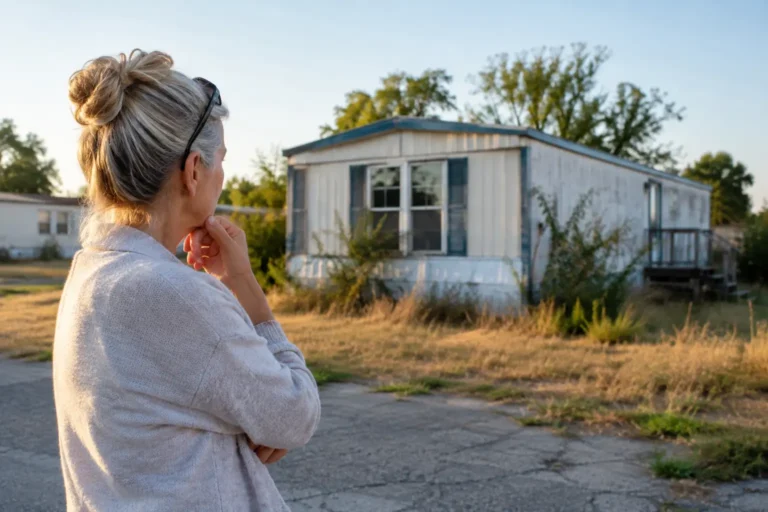
If the home is in a park, exterior condition matters even more. Park managers and buyers both pay attention to first impression items like skirting, steps, porches, doors, and visible trash. A home that looks neglected from the outside often gets passed over before anyone even considers the inside.
Start with cleaning, not remodeling
A deep clean is usually one of the highest-return moves you can make. It costs far less than renovation, and it changes how the whole home feels. Remove trash, clear out unused furniture, wipe down walls, clean windows, mop floors, and get rid of odors. If pets, smoke, mildew, or long-term vacancy have left a smell behind, address that early. Buyers remember odors.
This is especially true for inherited homes, tenant-damaged homes, and older units that have been sitting vacant. Even if the home needs work, a clean interior makes it easier for a buyer to see what is salvageable. It also signals that the seller is serious.
Decluttering matters too. You do not need magazine-style staging, but you do want the rooms to feel open enough for someone to picture living there. In a smaller home, too much furniture or storage makes the space feel tighter and older than it is.
Focus on repairs that affect financing, safety, or move-in readiness
Some mobile home buyers are paying cash, but others still look for a home they can move into quickly. That means basic systems matter. If you are deciding where to spend money, put safety and function first.
Roof leaks and water damage
Water damage scares buyers because it spreads. A small roof leak can turn into stained ceilings, soft subfloors, wall damage, and mold concerns. If you know there is an active leak, fixing it is usually worth it. What is not always worth it is a full roof replacement if the home will be sold at a value price anyway. Spot repairs and stopping active damage often make more sense than taking on a major project.
Soft floors and trip hazards
Soft spots in the floor are common in older mobile homes, especially near tubs, toilets, doors, and kitchens. Buyers notice them fast. If the damaged area is limited, repairing it can be a smart move. The same goes for broken steps, weak porches, or loose railings. Safety issues reduce buyer confidence and can delay a sale.
Plumbing and electrical basics
You do not need a full rewire or all-new plumbing to sell most homes, but obvious problems should be addressed if possible. Non-working lights, leaking faucets, bad toilet seals, exposed wiring, and outlets that do not work create friction. They are not always expensive fixes, but they send a message if left undone.
Cosmetic updates can help, but keep them modest
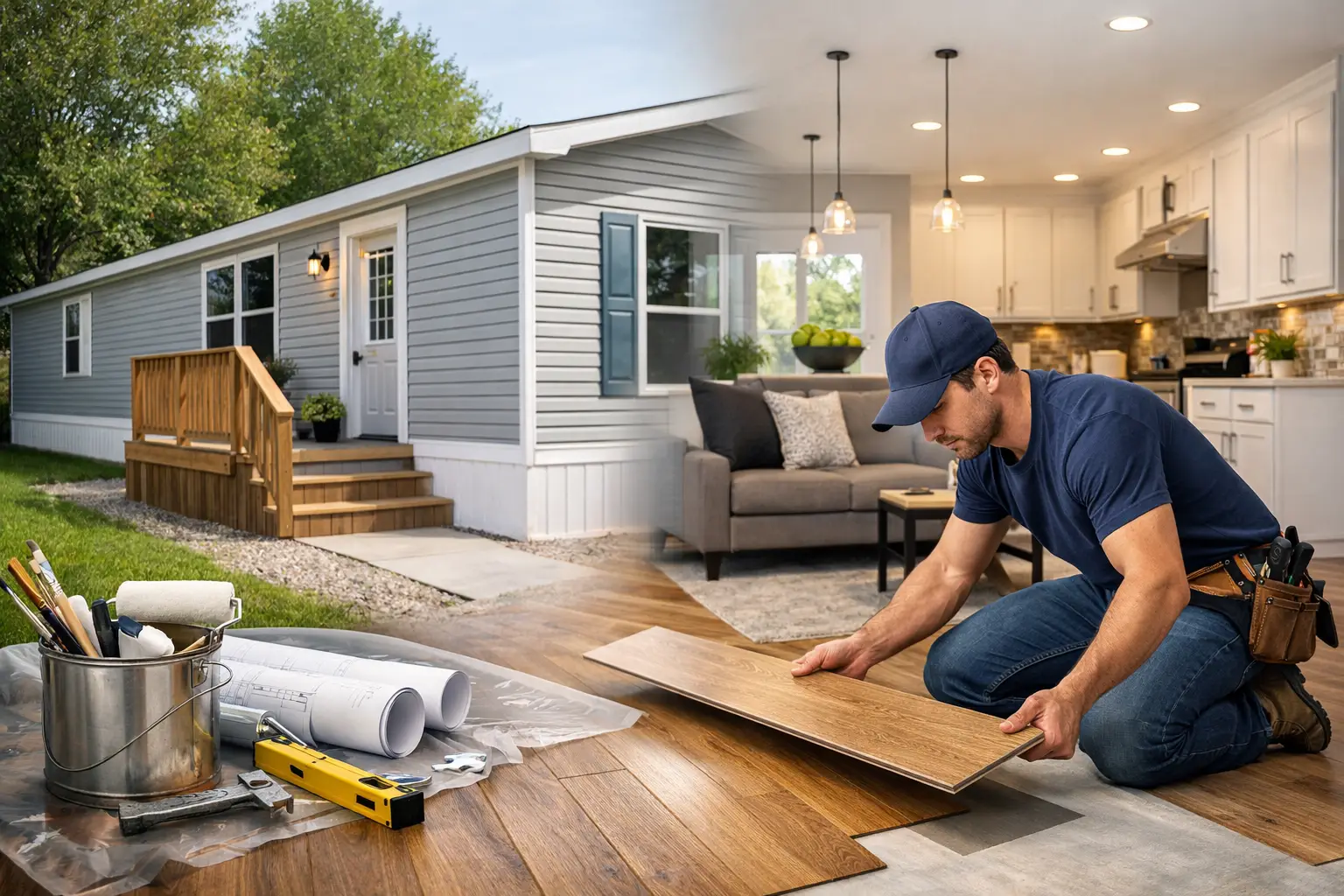
Cosmetic improvements work best when they are simple and neutral. Fresh paint in basic colors, replacing badly stained carpet, updating damaged vinyl flooring, or installing inexpensive new light fixtures can make an older home feel cleaner and better cared for.
That said, this is where sellers often overspend. New granite-look counters, custom backsplashes, premium cabinets, or designer vanities usually do not bring a strong return in a mobile home sale. If the cabinet doors are broken, fix or replace them. If the kitchen is just dated, you may be better off leaving it alone.
The same rule applies to bathrooms. A clean, functional bathroom sells better than a fancy one with hidden plumbing issues. Replace what is cracked, leaking, or badly worn. Skip luxury upgrades.
What not to fix before selling
Not every home should be repaired before sale. If the home has major structural issues, severe water damage, title complications, park approval problems, or a long list of deferred maintenance, it may make more sense to sell as-is.
That is especially true if you need speed. A seller facing repossession, relocation, divorce, probate, or lot rent pressure usually does not benefit from spending weeks and thousands of dollars trying to chase retail value. In those cases, certainty matters more than squeezing out a little more price.
You should be very cautious about putting money into these projects unless you already know the resale math works:
- Full kitchen remodels
- Full bathroom remodels
- New windows throughout
- Complete HVAC replacement for an older low-value home
- Major cosmetic upgrades in a home with unresolved title or park issues
These projects can make sense in some situations, but not as a default plan. If the home cannot be easily financed, moved, or approved by the park, expensive improvements may not solve the real problem.
The best improvements before selling a mobile home depend on how you plan to sell
This is where the answer changes.
If you plan to list the home yourself and market for top dollar, modest improvements can help. Cleaning, minor repairs, paint, flooring touch-ups, and better curb appeal may attract more buyers and reduce negotiation.
If you need a fast cash sale, the math is different. In many cases, it is better to skip repairs and get a direct offer based on the home’s current condition. Spending $4,000 to $8,000 on updates does not help much if your real priority is getting out quickly, avoiding showings, and moving on without more hassle.
A straightforward buyer will usually factor condition into the offer anyway. That means you should think carefully before putting cash into a home you no longer want to keep. Sometimes a cleanout and basic safety fixes are enough. Sometimes doing nothing is the right move.
Do not ignore paperwork and sale readiness
One of the most overlooked improvements is not physical at all. It is getting your paperwork in order.
If you have the title, make sure the names match, liens are understood, and transfer details are clear. If the home is in a park, know the park’s rules about buyer approval, age restrictions, and whether the home can stay in place. If the home is on private land, understand whether you are selling the home only or the land too.
These details can hold up a sale more than outdated cabinets ever will. A clean title situation and clear next steps make the process smoother for everyone.
A simple way to decide what is worth doing
Ask three questions before spending money. Will this repair stop a buyer from walking away? Will it help the home show as clean and functional? Will I likely get this money back based on the home’s price range and condition?
If the answer is no, skip it.
This approach keeps sellers from chasing upgrades that look good on paper but do not solve the real issue. Most mobile home buyers want a home that feels solid, clean, and manageable. They are not expecting perfection. They are looking for fewer problems.
If you are unsure, get a realistic opinion before starting repairs. A local mobile home buyer or specialist can often tell you very quickly which improvements matter and which ones will just eat into your proceeds. For many sellers, that kind of honesty is worth more than a contractor estimate.
At Triad Mobile Homes, we see this all the time – owners spend money on updates they never needed, when a simple as-is sale would have saved them time, stress, and cash. If your home needs work, the best move may be the one that gets you free of it faster, not the one that turns it into a project.
Before you pick up a paintbrush or call a contractor, be clear about your goal. If your goal is a fast, fair sale, the smartest improvement may simply be making the home clean, accessible, and ready for the next conversation.