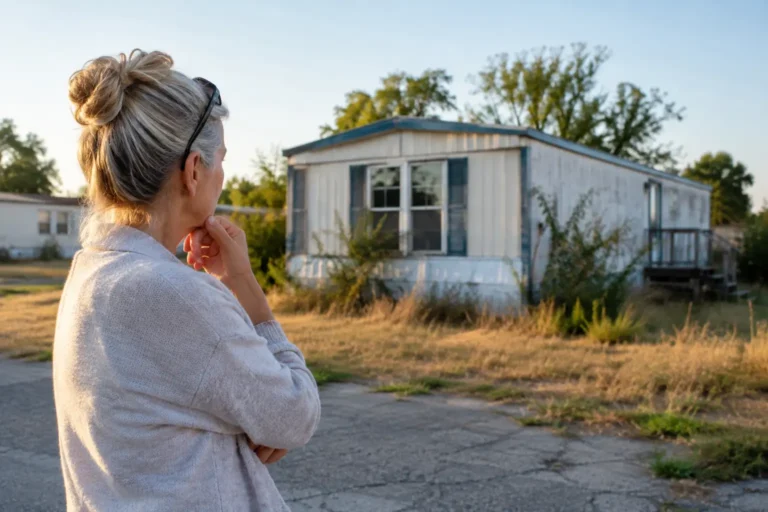


If you inherited a manufactured home and now have to sell it, probate can turn a simple sale into a paperwork problem fast. This guide to manufactured home probate sale is built for families, executors, and out-of-state heirs in North Carolina who need clear next steps, not legal jargon. The biggest mistake people make is assuming a manufactured home transfers the same way as a site-built house. It often does not.
A probate sale involving a manufactured home can be delayed by title issues, land ownership questions, unpaid lot rent, park approval rules, or confusion about whether the home is legally treated as personal property or real property. That is why the right first step is not listing it. The right first step is figuring out exactly what you inherited and what authority you have to sell it.
What makes a manufactured home probate sale different
With a traditional house, people usually focus on the deed, mortgage, and court authority. With a manufactured home, you may also need to deal with a physical title, DMV-style ownership records, tax status, VIN or serial number verification, and mobile home park requirements. If the home sits in a park, the buyer may need park approval before the deal can close. If the home sits on private land, you need to know whether the land is included or whether the home and land are legally separated.
That matters because probate does not automatically clean up ownership problems. The court may appoint an executor or administrator, but that person still has to prove authority, gather documents, and make sure the home can actually be transferred. If the title is missing, if a deceased owner’s name is still on the records, or if there are back taxes or lot fees, those problems usually show up right when you are trying to close.
Start with authority before you try to sell
Before you talk price, confirm who has the legal right to act for the estate. In North Carolina, that is usually the executor named in the will or the administrator appointed by the court if there is no will. Buyers will want proof that the person signing has authority to sell.
In practice, that usually means getting certified probate documents from the clerk of court and keeping them ready. If more than one heir is involved, do not assume everyone agrees just because no one has objected yet. A delayed objection can stall the sale after a buyer is already lined up.
If probate has not been opened, you may not be able to transfer the home legally. If probate is already open, check whether the estate has full power to sell or whether additional court approval is needed. This depends on the estate and the circumstances, so it is smart to verify early instead of finding out at closing.
Identify whether the home is personal property or real property
This is one of the most important parts of any guide to manufactured home probate sale, because it affects the paperwork, the buyer pool, and the closing process.
Some manufactured homes are still titled like vehicles or personal property. Others have been converted to real property and are taxed with the land. If the home is personal property, the title transfer process may be closer to a vehicle-style transfer than a standard real estate closing. If it is real property, the deed, land records, and probate file may carry more weight.
Do not guess. Check the title records, tax records, and county files. If the home is on family land, verify whether the estate owns both the home and the land together. It is common for heirs to assume the land comes with the home, only to learn later that the land is in a different name, held by multiple family members, or not part of the estate at all.
Gather the documents that control the sale
A probate sale gets easier when the paperwork is complete. It gets expensive when the paperwork is half-done and everyone is waiting.
At minimum, you may need the death certificate, letters testamentary or letters of administration, the will if there is one, the manufactured home title if one exists, tax information, and any lot lease or park contact details. If there is a loan, lien, or unpaid balance, get payoff information early. If there are back lot fees, ask the park for a ledger.
You should also confirm the home’s make, model, year, serial number, and physical address. Manufactured home records are not always perfectly matched across county, title, tax, and park systems. A small mismatch in the serial number can create a big delay when it is time to transfer ownership.
If the home is in a mobile home park, talk to management early
This is where many probate sales slow down. A buyer may want the home, but if the park will not approve the new resident, the sale may not work. Some parks have age, credit, occupancy, or home-condition rules. Others may not allow older homes to remain in the community at all.
That changes the value. A home that can stay in place is usually worth more than a home that has to be moved. And moving a manufactured home is not cheap, simple, or always possible. If the home must be moved, buyers will factor in transport, permits, setup, utility work, and the risk of damage during the move.
So before you market the home, ask the park three direct questions. Can the home stay? Does the buyer need approval? Are there unpaid lot charges or rule violations attached to the unit? Those answers shape the sale strategy.
Price the home based on the real situation, not family expectations
Probate sales often carry emotional pricing. A family member remembers what the home looked like ten years ago, what a neighbor said it was worth, or what was originally paid for it. Buyers care about current condition, title clarity, location, park rules, age, and whether the home can stay where it is.
If the home needs repairs, has soft floors, roof leaks, missing HVAC, storm damage, or old interior finishes, price will reflect that. The same is true if there are title problems, inherited contents still inside, or a tight deadline because lot rent is piling up.
This is where a quick cash sale can make sense. You may get less than a fully marketed retail sale, but you can avoid repairs, cleanup, months of holding costs, showings, and the risk of the deal falling apart over paperwork. For many estates, speed and certainty matter more than squeezing out every last dollar.
Decide whether to list it or sell directly
There is no one right answer. If the title is clear, the home is in good condition, the park is cooperative, and the estate has time, listing may bring a higher price. But if you are dealing with distance, family stress, court delays, unpaid lot rent, or a home that needs work, a direct buyer is often the cleaner path.
A direct buyer who understands manufactured homes can usually assess title issues, coordinate paperwork, and close faster without asking the estate to repair or clean everything first. That matters when heirs live out of state or do not want to manage vendors, junk removal, and repeated buyer questions.
In Central North Carolina, companies like Triad Mobile Homes work with inherited manufactured homes specifically because these sales are rarely simple. The value is not just the offer. The value is having someone who understands park rules, title transfers, and what can derail the closing.
Common delays to watch for in probate
The most common problems are missing title documents, heirs who disagree, unknown liens, unpaid taxes, back lot rent, and confusion over whether the estate even has authority to sell yet. Another issue is personal property left inside the home. If several relatives believe they are entitled to furniture, tools, or keepsakes, that dispute can hold up the sale longer than the legal paperwork.
Condition can also become a delay. If the home has been vacant, pipes may have frozen, mold may have developed, or the park may have issued violations. A buyer who was comfortable with a basic inherited home may back out once major damage shows up.
That is why speed matters. Every extra month can mean more carrying costs, more exposure to vandalism, and more family tension.
What the sale process usually looks like
Most probate sales move in a straightforward order once the groundwork is done. First, the estate confirms authority to sell. Next, the seller verifies title status, park rules, and whether the home is staying or moving. Then the home is priced based on condition and transfer complexity.
After that, the estate either markets the home or requests a direct cash offer. Once an agreement is reached, the parties work through title transfer documents, probate requirements, payoff amounts, and any park approval steps. The closing can be quick if the paperwork is clean. If it is not, expect delays.
The fastest sales are usually the ones where the estate is honest up front about missing documents, unpaid balances, damage, and occupancy status. Surprises do not help price, but they hurt closings even more.
When to get extra help
If heirs are fighting, if the title is lost, if the home was never properly transferred into the deceased owner’s name, or if you are unsure whether the land is included, get help early. Waiting until a buyer is ready to close is the expensive time to discover a legal or title problem.
The same goes for out-of-state heirs. Remote probate sales are possible, but they work better when someone local can verify condition, coordinate access, and communicate with the park or county office. Even a simple inherited home can become complicated when no one nearby has keys, paperwork, or direct contact with management.
Selling an inherited manufactured home is rarely just a sale. It is usually part paperwork, part logistics, and part family management. The good news is that once you know who has authority, what the home is legally classified as, and whether the title and park situation are clean, the path gets much clearer. If you feel stuck, start with the facts, not the emotion, and the next step usually shows itself.