

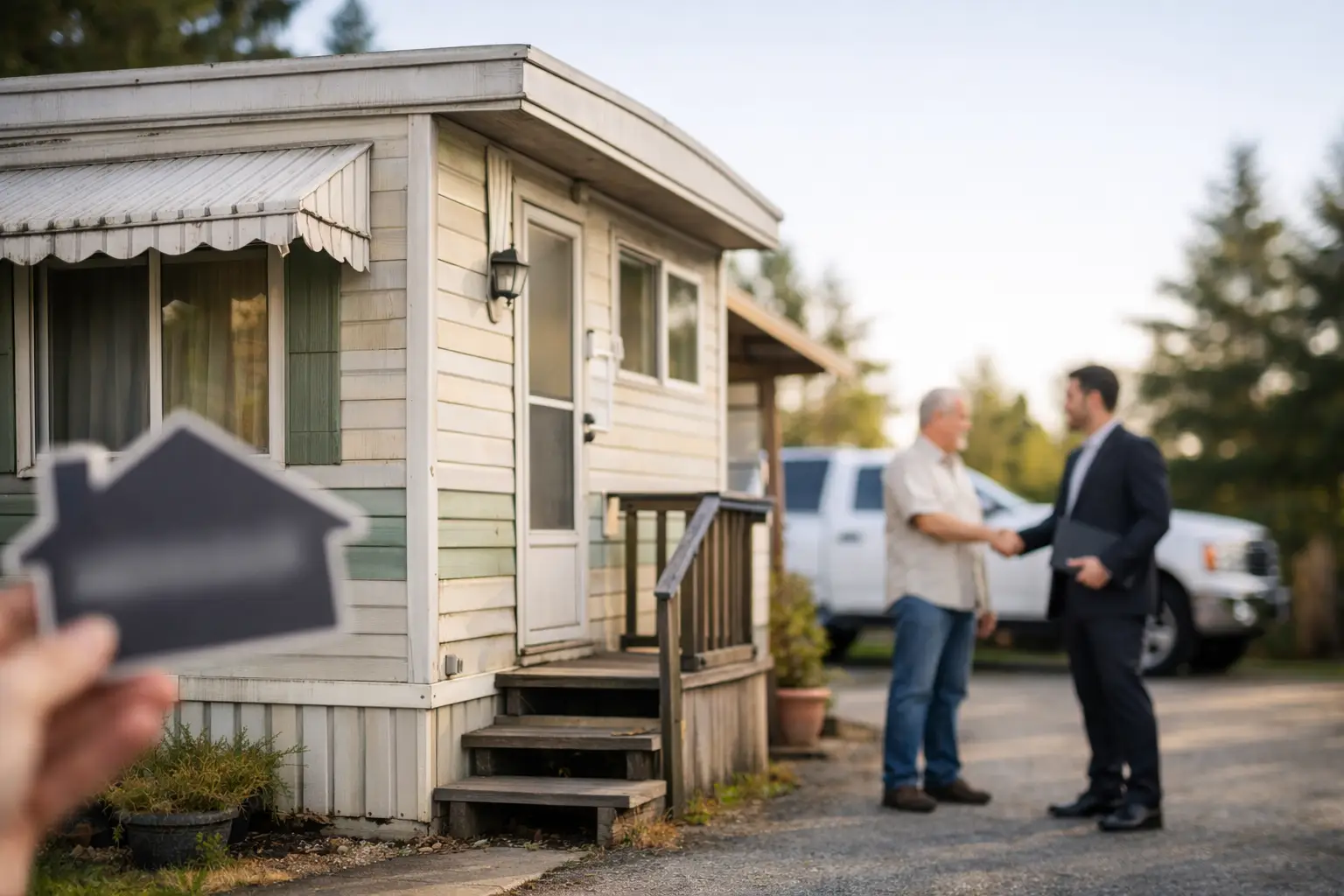
If your home still has original paneling, soft spots in the floor, older windows, or a floor plan buyers call “dated,” you are not stuck with it. Figuring out how to sell outdated manufactured home inventory is usually less about cosmetic flaws and more about choosing the right sale path for your timeline, budget, and paperwork situation.
A lot of owners in Central North Carolina lose time chasing the wrong buyer. They clean it up, take photos, post it online, answer messages for days, and then find out the buyer cannot get approved, the park will not accept them, or the home cannot stay where it is. That is where manufactured housing is different from a regular house. The details matter, and they can slow a sale down fast.
How to sell outdated manufactured home without wasting time
The first thing to know is this: outdated does not mean unsellable. Buyers still purchase older manufactured homes every day. What changes is the kind of buyer you are likely to attract and the price range you should expect.
If your home needs updates but is still livable, you may be able to sell it to a cash buyer, an investor, or a value-focused end buyer. If it has major issues like roof leaks, soft floors, water damage, missing title paperwork, unpaid lot rent, or park compliance problems, the pool gets smaller. That does not mean you need to fix everything first. It means you need a buyer who already understands these problems and can work through them.
Many sellers make the mistake of treating an outdated manufactured home like a standard retail listing. They assume a fresh coat of paint and online listing will solve the problem. Sometimes that works. Often, it creates more delay, more stress, and more out-of-pocket cost than the sale is worth.
Start with the real condition, not the hoped-for value
Before you decide how to sell, get honest about what you own. There is a big difference between outdated and distressed. Outdated means old finishes, older fixtures, worn cabinets, older skirting, or an interior that has not been updated in years. Distressed means structural problems, active leaks, damaged subfloors, broken windows, missing HVAC, title issues, or code problems.
That distinction affects everything. An outdated home in decent shape may still appeal to a buyer who wants affordable housing. A distressed home is more likely to need a direct buyer who can handle repairs or logistics after closing.
It also helps to separate market value from emotional value. If the home has been in the family for years, or you remember what it looked like when it was newer, it is easy to price it based on memory. Buyers will price it based on current condition, age, location, and what it will cost them to bring it up to usable condition.
Your selling options depend on speed, condition, and location
If the home is on private land, you may have more flexibility. If it is in a mobile home park, the park rules can shape the sale. Some parks require buyer approval. Some will not allow older homes to stay. Some have strict lot rent requirements or deadlines if the home must be moved.
That is why the best way to sell depends on more than just condition. It depends on where the home sits, whether you have clear title, whether taxes or lot rent are current, and how quickly you need to be done.
Selling it yourself can work if you have time, solid paperwork, and a home that still shows reasonably well. But it comes with effort. You have to market it, answer calls, qualify buyers, coordinate showings, and deal with people who disappear after saying they are interested.
Listing with an agent is less common for older manufactured homes, especially lower-value homes or homes with complications. Some agents do not want the extra work, and some buyers using traditional financing will not qualify on older homes.
A direct cash sale is usually the fastest route when the home is older, damaged, inherited, vacant, or creating a financial problem. You will likely sell for less than a perfect retail scenario, but you avoid repair costs, commissions, listing delays, and the uncertainty of waiting on a buyer who may never close.
Price it for the market you actually have
One reason older manufactured homes sit unsold is simple: they are priced for upgraded homes, not outdated ones. Sellers look at newer listings and assume the same range applies. It usually does not.
The market will discount for age, visible wear, needed repairs, title problems, move requirements, and park restrictions. If the buyer has to replace flooring, patch the roof, update the plumbing, remove trash, or pay past-due lot rent, they will build that into their offer.
That does not mean accepting a lowball number without asking questions. It means understanding the math behind the offer. A fair cash offer on an outdated home is not based on what the home could be worth after full renovation. It is based on what it is worth now, in its current condition, with the real work still left to do.
Paperwork can slow the sale more than the condition
A lot of sellers expect repairs to be the biggest obstacle. In manufactured housing, paperwork is often the bigger issue. Missing titles, title errors, old liens, deceased-owner situations, and tax questions can stop a sale even when a buyer wants the home.
If you are selling an inherited home, start by gathering any title documents, death certificates, probate paperwork, tax records, and park agreements. If you are behind on lot rent or unsure whether the title is clean, say that early. The problem usually gets easier to solve when it is addressed up front.
The same goes for homes in parks. Ask whether the home can stay, whether the buyer must be approved, and whether there are age or appearance rules. If the home has to be moved, that changes the buyer pool and the price. Moving a manufactured home is expensive, and not every buyer is willing to take that on.
Should you repair an outdated manufactured home first?
Sometimes yes. Often no.
Small, low-cost improvements can help if the home is basically sound. Cleaning, removing trash, stopping active leaks, mowing, and making the home accessible for inspection can improve buyer confidence. If replacing a broken door or fixing exposed plumbing costs very little, it may be worth doing.
Major renovations are a different story. New flooring throughout, roof replacement, full interior remodeling, or extensive subfloor work can eat up cash fast. On an older manufactured home, you may not get that money back. If your goal is speed or relief from an ongoing problem, heavy repairs usually delay the outcome without improving it enough.
This is where sellers get trapped. They start with good intentions, spend more than planned, then still need to find a buyer who understands the home type. If you are already dealing with relocation, divorce, inherited property, vacancy, or overdue payments, simpler is usually better.
How to sell outdated manufactured home in a park
When a home sits in a park, the transaction has another layer. You are not just finding a buyer for the home. You are often dealing with park management, lot status, buyer approval, and timing.
Some parks are cooperative. Others move slowly or have strict standards. If the home is older, management may not want it resold in place. That can mean the buyer must move it, and that changes the economics fast.
Be direct with any potential buyer about the park situation. Tell them the monthly lot rent, whether it is current, and whether management approval is required. Hiding that information only causes deals to fall apart later.
For many park homes, working with a local buyer who already understands community rules and manufactured home logistics is the cleanest option. A company like Triad Mobile Homes LLC can often evaluate not just the home itself, but the title, park rules, move questions, and the fastest realistic path to closing.
Speed matters when the home is costing you money
If the home is vacant, collecting damage, or generating monthly lot rent, taxes, or payment stress, waiting for the perfect buyer can get expensive. Every extra month changes the math. What looks like holding out for a better price can turn into more carrying costs, more deterioration, and more uncertainty.
That is why many sellers choose certainty over chasing top dollar. A clean, no-obligation cash offer with a fast close gives you a fixed outcome. No cleaning marathons. No repairs. No listing fees. No back-and-forth with buyers who are not ready.
That trade-off is not right for everyone. If you have time, a cleaner home, and good paperwork, you may want to test the market. But if your real goal is to move on quickly and avoid more hassle, the shortest path is usually the best one.
The practical move is to get clear on your timeline, your paperwork, and the real condition of the home, then choose the buyer type that fits those facts. When the home is outdated, simple beats perfect almost every time. The faster you deal with the reality of the property, the faster you can put the problem behind you.