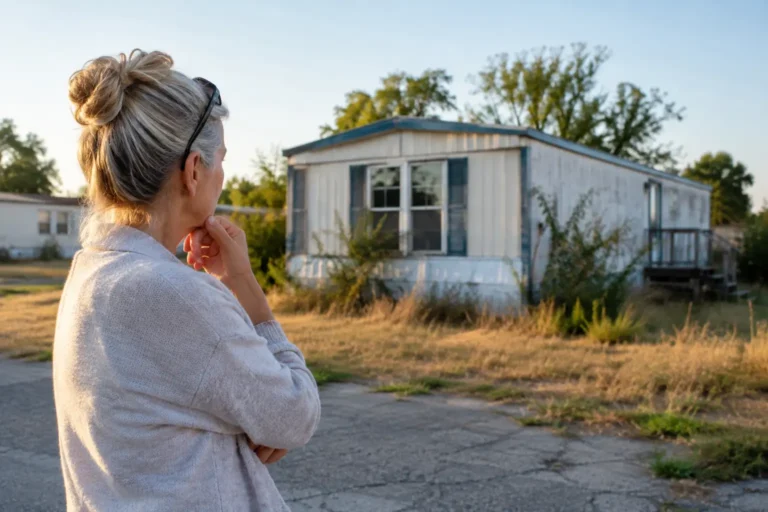

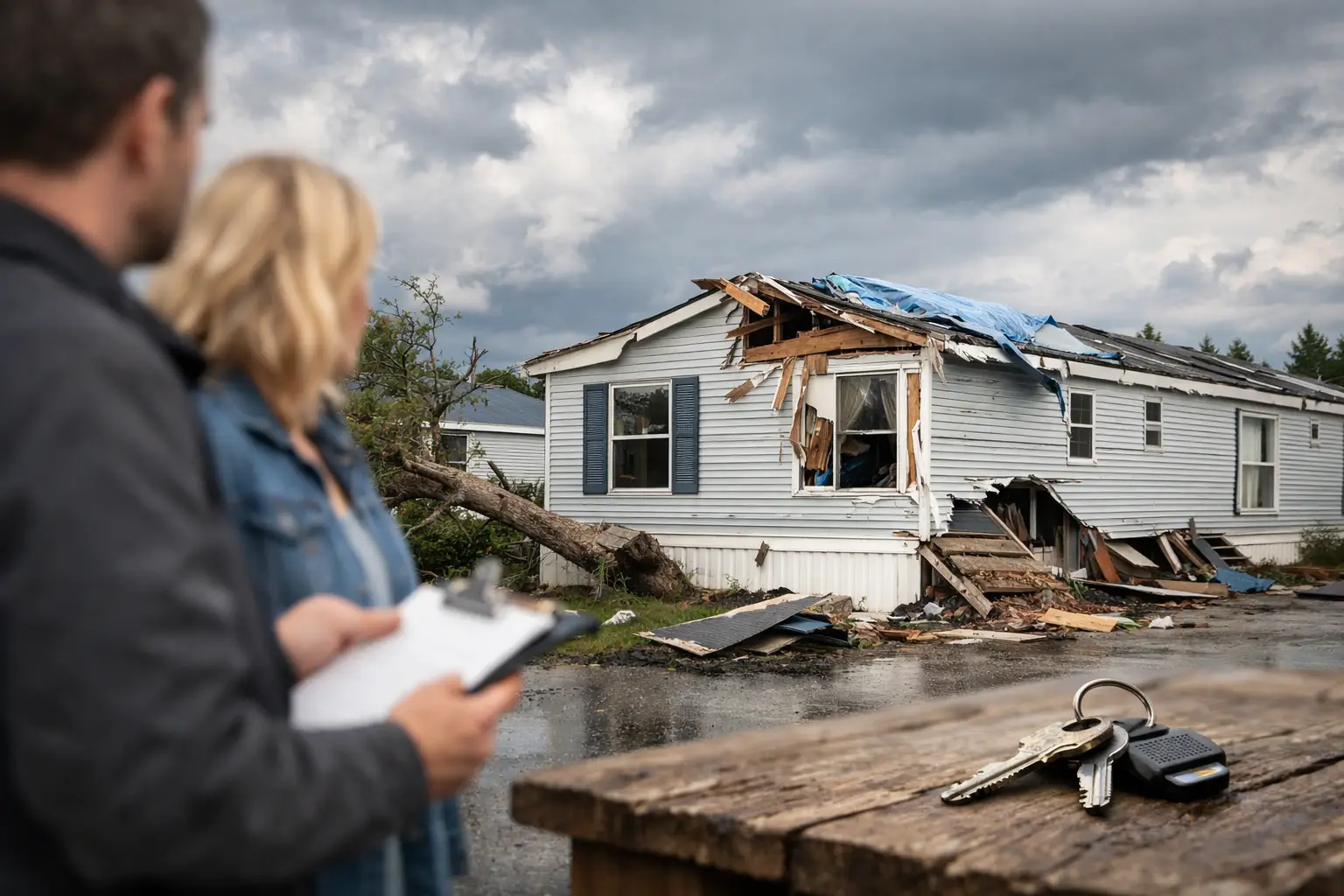
A storm can turn a manufactured home into a problem overnight. One bad roof leak, soft floors, broken skirting, or tree damage can leave you stuck wondering how to sell storm damaged manufactured home property without pouring more money into it first. If you are in Central North Carolina and need a real path forward, the good news is simple: storm damage does not automatically mean your home is unsellable.
What it does mean is that you need the right selling strategy.
How to sell storm damaged manufactured home without wasting money
Most owners make the same mistake first. They assume they need to repair everything before talking to a buyer. Sometimes that makes sense. Often, it does not.
If the home has minor cosmetic damage, a few targeted repairs might help. But if you are dealing with roof damage, water intrusion, electrical issues, mold risk, tree impact, or structural concerns, repair costs can climb fast. In many cases, spending thousands does not create thousands in added value.
That is especially true with older manufactured homes. Buyers will look at age, condition, title status, park approval, whether the home must be moved, and whether the damage created bigger hidden issues. A seller can put money into patchwork repairs and still end up with a limited buyer pool.
The better first step is to assess the situation honestly. Find out what was damaged, what paperwork you have, and whether your fastest option is a direct cash sale instead of a traditional listing.
Start with the facts, not guesswork
Before you try to sell, gather the basics. You do not need a perfect file folder, but you do need a clear picture of what you own and what happened.
Start with the home details. That includes the year, make, model, size, serial or VIN number if available, and whether the home sits in a park or on private land. Then collect anything related to the storm damage, such as insurance photos, adjuster notes, repair estimates, or your own recent pictures.
You should also confirm the title situation. In North Carolina, title problems can slow down a sale more than the damage itself. If the title is missing, still in a deceased relative’s name, or tied up with a lender, that does not mean the sale is impossible. It just means you need a buyer who knows how to handle manufactured home paperwork.
If the home is in a mobile home park, contact park management early. Ask whether the home can remain in place, whether a buyer must be approved, and whether there are age or condition rules that affect the sale. Some parks will not allow older homes to transfer to a new owner. Others may require repairs before approving a buyer. That changes your options right away.
Decide whether to repair, sell as-is, or move the home
This is where the real trade-off comes in.
If storm damage is light and the home is in a strong location, repairs may be worth considering. A newer home with limited roof damage and no major interior water issues may still sell well after basic work. But if the home is older, the lot rent is behind, or the damage has spread into flooring, walls, and insulation, an as-is sale is usually the cleaner move.
Moving the home is another factor. If a park will not allow it to stay, or if a land sale and home sale need to be separated, the buyer may need to relocate it. That adds cost, permits, setup work, and transport risk. A moved home is not a simple transaction, so the buyer matters a lot.
This is why traditional buyers often disappear once they learn the details. They may like the price at first, then back out when they hear about transport, title issues, or storm-related repairs. A direct manufactured home buyer is usually better equipped for that kind of deal.
What buyers will actually look at
Storm damage affects value, but not in a one-size-fits-all way. Buyers typically look at five things.
First is the extent of the damage. A missing section of skirting is one thing. A roof failure with long-term water intrusion is another.
Second is the age and type of the home. Newer manufactured homes generally have more resale demand than older single-wides, though location can change that.
Third is whether the home can stay where it is. A home in a park with easy transfer rules is easier to sell than one that has to be moved immediately.
Fourth is paperwork. Clear title, park communication, and basic ownership documents help deals close faster.
Fifth is speed. If you need to sell quickly because of insurance deadlines, lot rent pressure, vacancy, or financial strain, convenience may matter more than holding out for a higher number.
That last point is where many sellers shift their strategy. They stop trying to create the perfect retail sale and focus on getting a fair cash offer from a buyer who can actually close.
How to sell storm damaged manufactured home fast in North Carolina
If speed matters, the cleanest route is usually selling as-is to a local buyer who specializes in manufactured homes. That matters because storm-damaged manufactured housing is not the same as selling a site-built house.
A specialist buyer understands the common issues: soft floors, damaged underbelly, roof leaks, title delays, inherited ownership, back lot rent, and park approval. They also understand the local market in Greensboro, Winston-Salem, High Point, and nearby Central NC areas, where park policies and buyer demand can vary a lot from one location to the next.
The process should be simple. You share the home details, photos if you have them, and the main problems. The buyer reviews the condition, asks about the title and location, and gives you a straightforward offer. If the numbers work, you schedule closing and get paid.
That model removes the usual friction. No listing. No open houses. No waiting for a bank loan. No spending money on repairs you may never recover.
For many storm-damaged homes, that is the difference between moving on and getting stuck for months.
Common problems that slow the sale
Storm damage rarely shows up alone. It tends to uncover other issues that were already there.
One common problem is hidden water damage. A roof leak from a recent storm may have exposed older weak spots in the ceiling, wall panels, or subfloor. Another is title confusion, especially with inherited homes. Families often assume they can sell right away, then realize the ownership documents are incomplete.
Park-related issues are also common. If lot rent is behind or the park has strict appearance standards, the pressure to act quickly goes up. Some owners also run into insurance gaps, where the payout is not enough to cover repairs but the home is still their responsibility.
This is where a no-pressure buyer can help by looking at the full situation, not just the visible damage. In some cases, the best option is a direct purchase. In others, it may make more sense to help market the home to a buyer through local channels if that brings a better result. What matters is having a realistic path, not getting sold on a generic promise.
Price expectations: be realistic, not discouraged
A storm-damaged manufactured home will usually sell for less than a clean, updated home in the same area. That part is just reality. But low condition does not mean no value.
The home may still have value as a repair project, as a moved home, or as a fast cash purchase for someone who knows the market. The land may also matter if the home is on private property. Even a damaged home in a good setup can attract serious buyers if the terms are clear.
What hurts sellers most is bad pricing. If you set the number too high because you are trying to recover old improvements or expected insurance money, you can lose weeks or months. If you price realistically from the start, you are more likely to get real interest from buyers who understand manufactured housing.
A simpler path for sellers who need certainty
If you are overwhelmed, keep this simple. Document the damage, gather whatever title or ownership paperwork you can find, check with the park if the home is on a rented lot, and talk to a buyer who deals with manufactured homes every day.
That approach saves time and avoids the usual dead ends. You do not need to repair everything. You do not need to clean it up for showings. You do not need to guess your way through transport rules or title transfer questions.
Triad Mobile Homes LLC works with sellers across Central North Carolina who need to offload difficult homes fast, including storm-damaged units with title issues, park complications, or repair problems. The goal is straightforward: give you a fair cash offer, handle the hard parts, and help you move on without more delay.
When a storm leaves your manufactured home in rough shape, the next best move is not always fixing it. Sometimes it is finding the fastest honest option and taking it.