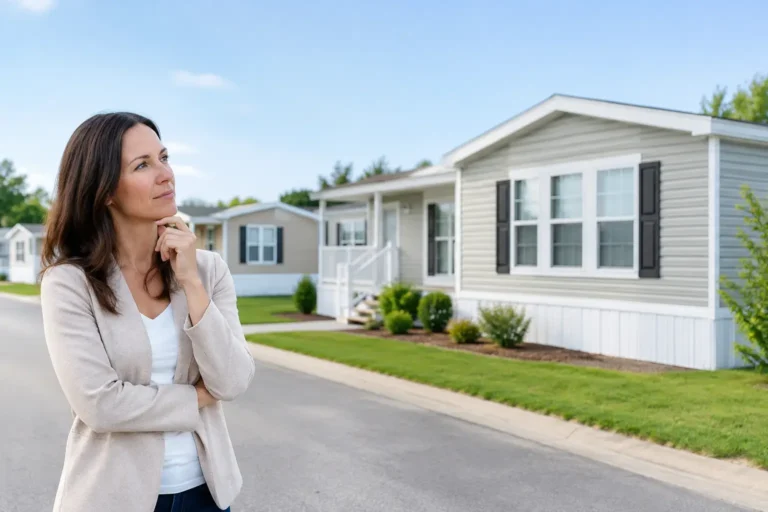
A tenant occupied mobile home case is not a normal mobile home sale. You may own the home, but another person lives there, pays rent, and has legal rights to notice and peaceful possession. If you need to sell quickly because of unpaid lot rent, relocation, an inheritance, repairs, or financial pressure, the goal is not to force a rushed deal. It is to make a clean plan that protects you, treats the tenant fairly, and gives the buyer a clear path to closing.
For North Carolina mobile home owners, the details matter even more when the home sits in a park. The park may need to approve a new resident, inspect the home, or set rules for a transfer. A buyer who understands manufactured homes can help sort out those moving parts without adding more stress to an already complicated situation.
Start With the Tenant Agreement
Before you advertise the home, pull together every document that explains the arrangement. That includes the lease or rental agreement, payment records, security-deposit information, notices you have sent, and any written rules about pets, repairs, utilities, or access. Even a month-to-month agreement matters.
First, determine what exactly you are selling. Are you selling only the mobile home, with the tenant potentially staying? Is the home on private land that is also being sold? Or does the tenant rent the home while separately paying lot rent to the community? Each setup creates a different path.
A buyer may be willing to purchase the home with a paying tenant in place. That can be attractive if the tenant has a solid payment history and wants to remain. But it can reduce the pool of buyers, especially if the buyer plans to move into the home or remove it from the park. Be direct about the occupancy from the beginning. Surprises create delays, price reductions, and failed closings.
Do Not Promise a Move-Out Date You Cannot Enforce
Owners sometimes assume selling the home automatically ends the tenancy. It does not. In many cases, a tenant is entitled to proper notice under the lease and applicable North Carolina law. If there is a written lease with time left on it, the buyer may need to honor that lease unless there is a valid agreement or legal basis to end it sooner.
Do not change locks, shut off utilities, remove belongings, or pressure a tenant to leave. Those actions can create serious legal trouble and cost far more than a careful sale plan. If the tenant is behind on rent or refusing to cooperate, use the proper legal process. A local landlord-tenant attorney can explain your options based on the lease, the county, and the facts of your case.
A voluntary written move-out agreement can work when both sides are willing. It should clearly state the move-out date, how keys will be returned, what happens to the deposit, and whether any payment or rent credit is part of the agreement. Keep it simple, written, and signed. Verbal promises are hard to prove when closing day gets close.
Access Must Be Handled Respectfully
You still need to inspect the home, take photos, check the title information, and allow a serious buyer to see the property. But a tenant has a right to privacy. Give reasonable advance notice before entering and follow the terms of your lease. Avoid showing up unannounced because you are in a hurry to sell.
For a tenant occupied mobile home case, fewer visits are usually better. A direct cash buyer can often evaluate the home with one scheduled walkthrough instead of weeks of agent showings, open houses, and last-minute appointments. That is easier on the tenant and gives you a more realistic sense of whether the buyer can actually close.
Be honest about the home’s condition. If there is floor damage, roof trouble, missing skirting, plumbing leaks, or abandoned belongings, disclose what you know. You do not need to spend money fixing everything before requesting an offer. You do need to avoid representing a problem-free home when it clearly is not.
Separate the Home Sale From Park Rules
When the home is in a mobile home community, the park’s rules can be just as important as the buyer’s offer. Many parks require new residents to apply and be approved. Some do not allow rentals at all, while others allow them only with management approval. Some parks may require back lot rent to be paid before a title transfer or before the home can be moved.
Call the park manager early and ask practical questions. Is the current tenant approved? Can a new buyer keep the home in place? Does the buyer need park approval before closing? Is lot rent current, and are there any fees, violations, or repair requirements on file? Get the answers in writing when possible.
If the buyer wants to move the home, confirm whether it can be moved before you assume that is the solution. Older homes, damaged homes, local permit requirements, transport costs, and park exit rules can all affect the deal. Sometimes selling the home where it sits is the faster option. Other times, an as-is sale to a buyer who can handle removal makes more sense.
Get the Paperwork Ready Before You Negotiate
A tenant does not erase your responsibility to provide clean ownership paperwork. Locate the mobile home title, VIN or serial number, tax information, and any lien-release documents. If there is a loan, repossession risk, estate issue, or missing title, say so upfront. These problems are often fixable, but they take time.
If you inherited the home, confirm who has authority to sell. If multiple heirs are involved, get everyone on the same page before accepting an offer. If the home is jointly owned after a divorce or separation, do not assume one signature is enough. A fast buyer can help identify paperwork gaps, but no buyer can make ownership questions disappear at closing.
Also be clear about the tenant’s security deposit. Depending on the sale structure and agreement, it may need to be transferred to the new owner or returned according to the lease and state law. Document where that money is going. This is a small detail that can become a major argument later.
Choose the Sale Path That Fits Your Real Goal
There are three common ways to sell an occupied mobile home. You can sell to an investor or buyer with the tenant in place, wait for a planned vacancy and sell it empty, or sell directly to a cash buyer who can work through occupancy, title, condition, and park details.
Keeping the tenant in place may produce ongoing rent until closing and avoid a vacancy. The trade-off is that many owner-occupant buyers will not want to purchase a home they cannot move into right away. Waiting for vacancy can widen the buyer pool, but you may lose rent, inherit cleanup costs, or face continued lot-rent payments.
A direct as-is cash sale is often the practical choice when time matters more than getting the highest possible retail price. You avoid repair demands, commissions, and repeated showings. Still, read the offer carefully. Make sure it states who is responsible for lot-rent balances, title work, closing costs, possession, and any agreement involving the tenant.
Triad Mobile Homes LLC works with Central North Carolina sellers facing complicated mobile home situations, including occupied homes, damaged homes, and park-related issues. A fair offer should come with straightforward terms, not pressure or vague promises.
Keep Communication Calm and Documented
Tell the tenant that you plan to sell, explain what it means for access and timing, and avoid making promises before you have a signed agreement. A respectful conversation can prevent unnecessary conflict. The tenant may be willing to stay for a new owner, cooperate with an inspection, or agree to a reasonable move-out arrangement.
Put important updates in writing. Save text messages, emails, rent records, notices, and photos of the home’s condition. If a dispute arises, a clean paper trail gives you far more protection than memory alone.
You do not have to repair, clean, market, and manage a difficult tenant situation by yourself. Start by gathering the facts, confirm the park rules, and get a no-obligation offer from a buyer who understands mobile homes. The right plan lets you move forward without turning a necessary sale into a bigger problem.