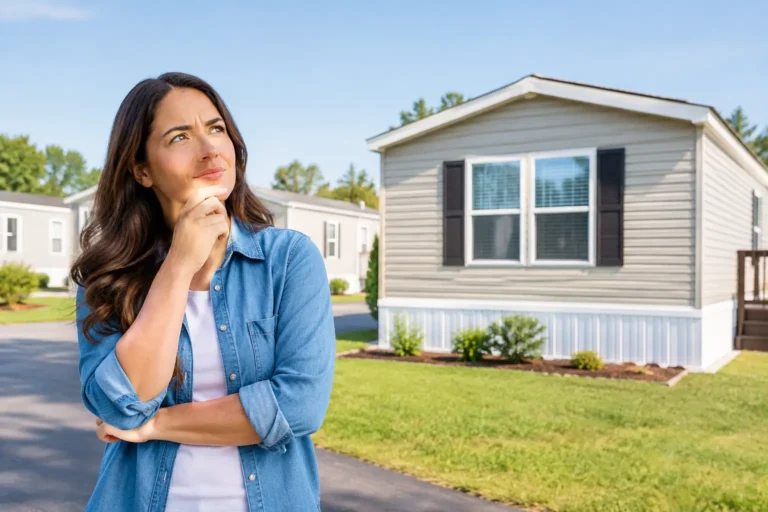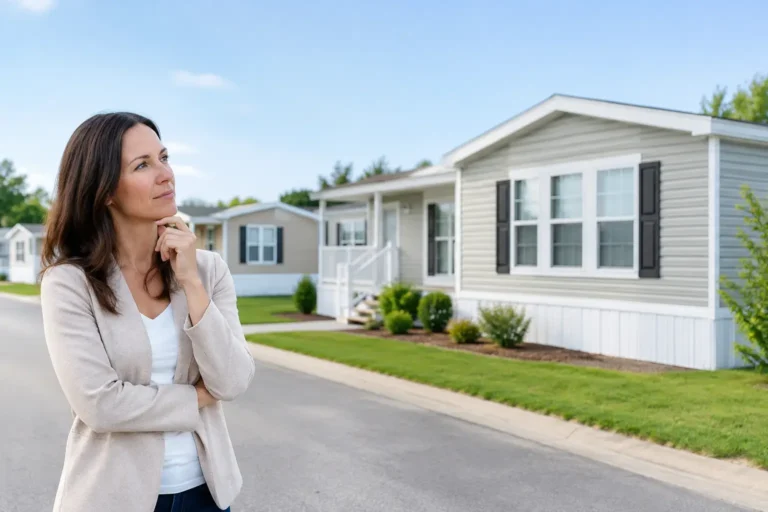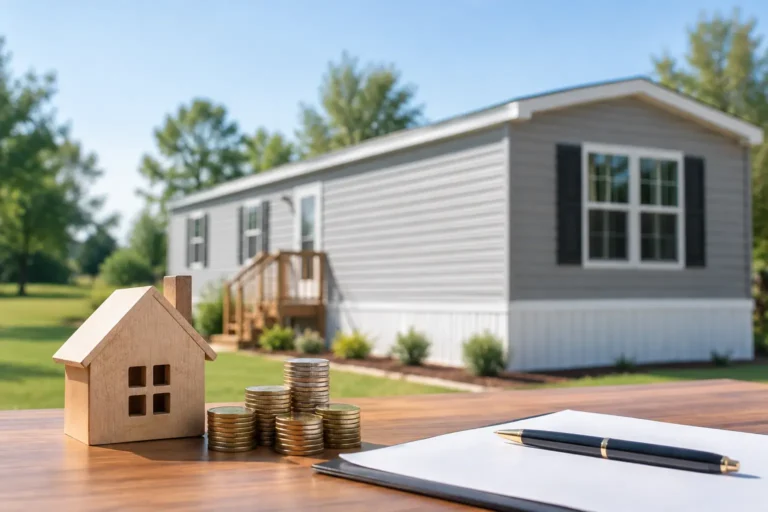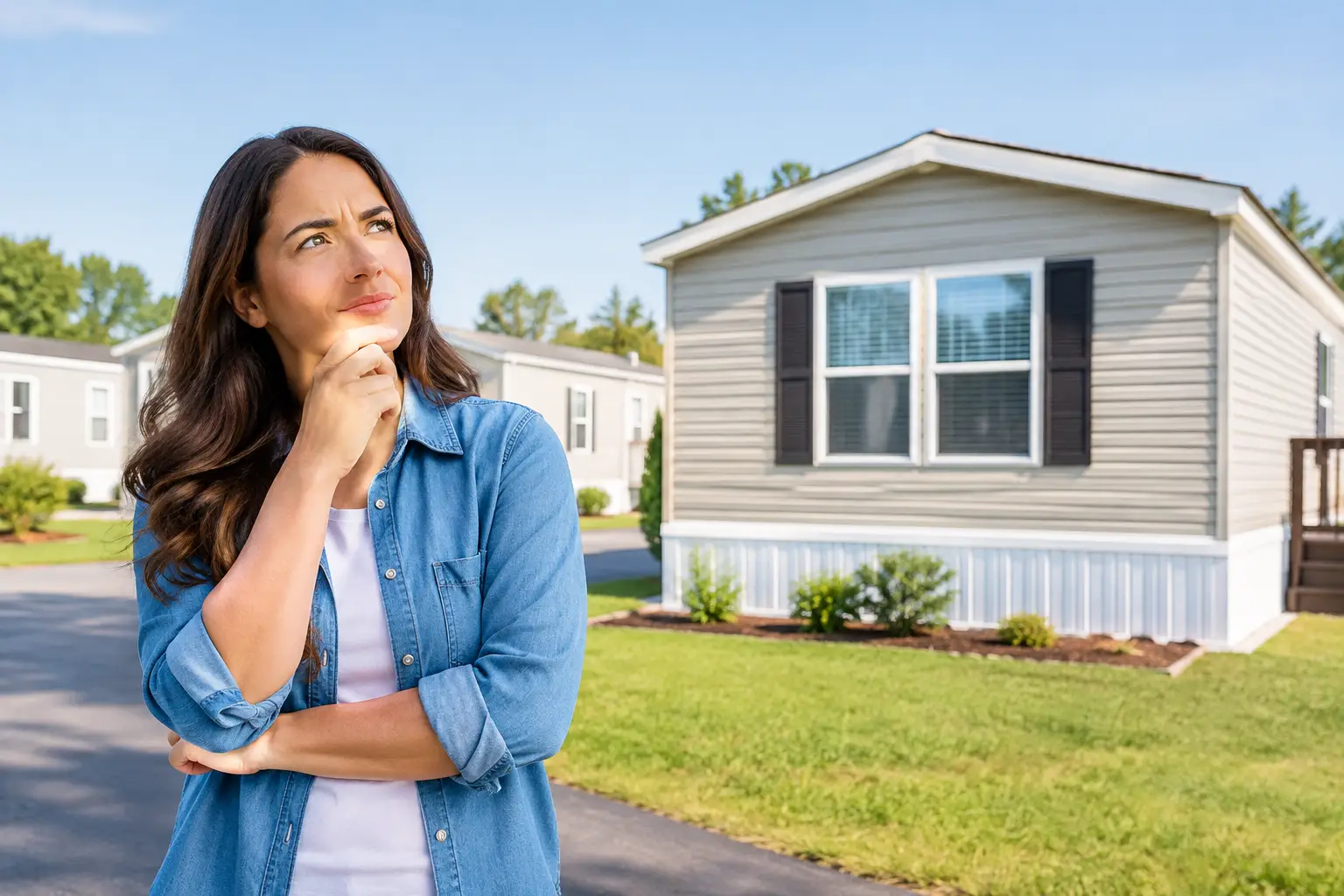
A 1998 single-wide in a well-run Greensboro community and a 1998 single-wide with water damage, back lot rent, and a missing title may have the same age on paper. They will not have the same resale value. That is why the real answer to are mobile homes depreciating is not a simple yes or no.
Most mobile and manufactured homes do lose value over time, especially when they sit on rented land. But depreciation is only one part of the picture. Condition, location, lot rent, park rules, title status, and whether the home can stay in place can matter just as much when it is time to sell.
For owners across Greensboro, Winston-Salem, High Point, and surrounding Central North Carolina communities, knowing what drives value can help you make a practical decision. You may be able to sell for more with time and repairs. Or a fast, as-is cash sale may make more sense if the home is becoming expensive, stressful, or difficult to keep.
Are Mobile Homes Depreciating in North Carolina?
In general, yes. A manufactured home without land often depreciates in a way that is closer to a vehicle than a traditional site-built house. The structure gets older, systems wear out, styles change, and buyers may have a harder time finding financing for an older home.
That does not mean every mobile home drops in value every year at the same rate. Demand for affordable housing in Central NC can support resale prices, particularly for homes that are clean, livable, properly titled, and located in communities where buyers want to live. A home that is already set up on an approved lot can also be more attractive than one a buyer has to move.
The land changes the equation. If you own both the manufactured home and the land beneath it, the land may appreciate even if the home itself loses value. In some cases, rising land value can offset depreciation in the structure. If the home is in a park and you rent the lot, you are selling the home only, subject to the community’s rules and buyer approval process.
What Causes a Mobile Home to Lose Value?
Age matters, but it is not the whole story. A well-maintained older home can be easier to sell than a newer home with major damage or paperwork problems. Buyers look at what they will have to spend after closing, whether they can live in the home right away, and whether the park will allow the transfer.
The biggest factors affecting mobile home resale value include:
- Condition and needed repairs. Roof leaks, soft floors, plumbing problems, HVAC failures, mold, storm damage, and damaged siding can lower offers quickly. Cosmetic issues matter less than major structural or mechanical repairs, but heavy clutter and poor cleaning can still limit the buyer pool.
- Age and HUD standards. Homes built after June 15, 1976, typically have a HUD certification label. Some parks, lenders, insurers, and movers have stricter requirements for older homes, which can make a pre-1976 mobile home harder to sell or move.
- Location and community rules. A desirable park with reasonable lot rent, solid management, and flexible age rules can help demand. High lot rent, strict buyer screening, park closures, or rules requiring an older home to be removed can reduce value.
- Title and ownership status. A clean title in the seller’s name makes a sale much simpler. Lost titles, deceased owners, liens, probate issues, or mismatched names do not always stop a sale, but they can delay it and narrow the number of buyers willing to take on the work.
- Whether the home must be moved. Moving a manufactured home is expensive and can involve permits, site preparation, utility connections, transport, and park approval. If it cannot remain where it is, the cost and logistics may significantly affect its market value.
A mobile home can depreciate while still having real sale value. The key is understanding the home’s actual market position instead of relying only on the price paid years ago or an online estimate that does not account for park rules and condition.
When a Mobile Home Can Hold Value Better
A home is more likely to hold value when it is in decent shape, priced realistically, and easy for the next owner to take over. Homes with a newer roof, working heat and air, sound floors, clean interiors, and current lot rent tend to attract more interest. So do homes in communities where management accepts new residents and buyers can move in without a long delay.
Local demand also matters. When affordable homes are limited, a move-in-ready manufactured home can bring strong attention from cash buyers and owner-occupants. That is especially true when the alternative is paying much more for a site-built home or waiting on a rental.
Still, holding out for the highest possible price has a cost. Every month may bring lot rent, insurance, utility bills, loan payments, taxes, maintenance, or the risk that a small problem becomes a major repair. If you live out of state, inherited the home, or are dealing with a divorce, eviction notice, or repossession risk, certainty may be more valuable than waiting for the perfect buyer.
How to Tell What Your Mobile Home Is Worth Today
Start with the facts a serious buyer will ask for: the year, make, model, size, number of bedrooms and bathrooms, condition, whether you own the land, and whether the title is available. If the home is in a community, find out the current lot rent, park name, buyer approval requirements, and whether the home is allowed to remain in place.
Then be honest about repairs. You do not need to renovate before asking for an offer, but hiding a soft floor or a roof leak usually creates problems later. Clear information helps a buyer give you a more accurate number and reduces surprises before closing.
It also helps to compare the right homes. A double-wide on private land should not be compared to a single-wide in a park. A clean 2005 home that can stay in a community should not be priced like a 2005 home that must be moved. The details are where mobile home values are won or lost.
Should You Repair It Before Selling?
Repairs can raise marketability, but they do not always raise your net proceeds enough to justify the expense. Replacing a roof, repairing subfloors, updating plumbing, or installing a new HVAC system can cost thousands of dollars. If you need to sell quickly, those projects can also delay the sale and add more uncertainty.
Small improvements may be worth considering if the home is otherwise in good shape. Removing personal belongings, clearing trash, mowing the yard, and providing available paperwork can make the process easier. But you should not feel forced to spend money you do not have just to list a damaged home.
For homes with significant repair needs, unpaid lot rent, title complications, inherited ownership, or a tight timeline, an as-is sale can be the practical route. A specialist buyer can evaluate the home’s condition, community requirements, and transfer process without asking you to make it look perfect first.
A Practical Way to Sell Without Guesswork
If your home is becoming a burden, start by gathering what you know rather than trying to solve every issue alone. Share the home’s basic details, location, condition, and any concerns about titles, lot rent, park notices, or repairs. A straightforward buyer should tell you what they can handle and what may affect the offer.
At Triad Mobile Homes LLC, sellers can request a no-obligation cash offer for homes in Central North Carolina, including homes that need work. There are no realtor commissions, listing fees, repeated showings, or pressure to repair and clean everything first. When the situation calls for it, the process can also include help with the hard parts, such as title transfers, park communication, marketing, and move-related questions.
A depreciating home does not mean you are out of options. It means the right selling plan should be based on the home’s real condition, the costs of waiting, and what lets you move forward with the least stress.