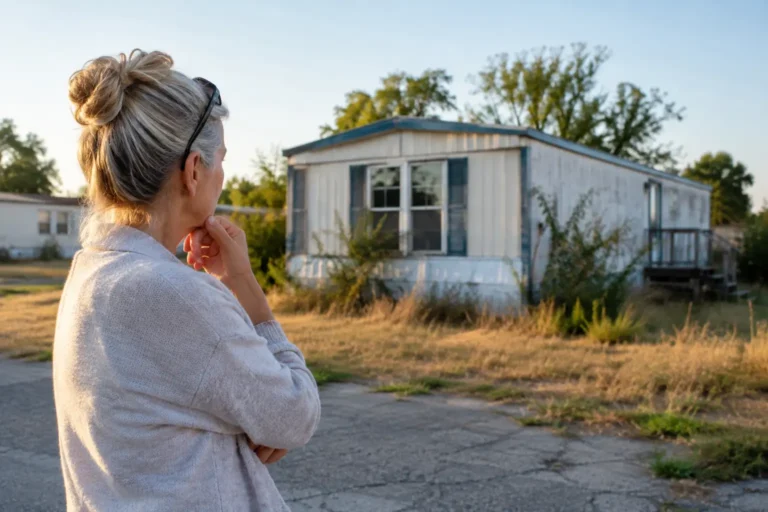


A home does not have to be empty for a sale to happen. Can buyers purchase occupied homes? Yes, they can – including mobile and manufactured homes in North Carolina. But an occupied home changes the conversation. The buyer needs to know who is living there, what agreement is in place, whether lot rent is current, and when the home can be turned over.
For a seller, the key is being upfront early. A good buyer will not expect you to force someone out overnight or hand over possession before the paperwork is right. They will look at the full situation, explain what they can buy, and set a closing plan that works with the real timeline.
Can Buyers Purchase Occupied Homes With Tenants?
Yes. A buyer may purchase a home that has a tenant, family member, renter, or even the owner still living in it. What the buyer is actually purchasing depends on the arrangement.
If there is a valid lease, the buyer may need to honor that lease after closing. If the tenant is month-to-month, there may be more flexibility, but proper notice rules still apply. If someone is living in the home without a written agreement, the situation can be less clear, not easier. Verbal arrangements, rent receipts, utility payments, and the length of occupancy can all matter.
For manufactured homes, there is another layer: the home may sit in a mobile home park. The homeowner might own the home but rent the lot. In that case, the park’s rules, lot lease, screening requirements, and past-due balance can affect whether a new buyer can keep the home in place.
That does not mean the sale is impossible. It means the buyer should understand the occupancy before making an offer. A straightforward buyer will ask the right questions rather than promising a closing date that cannot realistically happen.
Occupied Does Not Always Mean Tenant-Occupied
People use the word “occupied” to describe several very different situations. Each one needs a different plan.
An owner-occupied home is often the simplest. The owner can sell, receive payment at closing, and arrange a move-out date. If you need a little time to pack, find another place, or move belongings, say so before accepting an offer. A cash buyer may be able to build that timing into the agreement.
A tenant-occupied home requires a closer look at the rental agreement. The home can sometimes be sold with the tenant in place, especially when the buyer wants it as a rental. Other buyers may prefer vacant possession because they plan to move the home, renovate it, or resell it to an owner-occupant.
A family member or former partner living in the home can be more complicated than a standard rental. Divorce, inheritance, and informal family arrangements often create questions about who has the right to stay, who has access to the title, and whether everyone with an ownership interest agrees to sell.
If the home is occupied by someone who refuses to leave, do not assume a sale will solve the problem automatically. Selling the home does not erase a resident’s rights or allow either party to skip the legal process. In that situation, clear paperwork and local legal guidance can prevent a rushed decision from becoming a bigger problem.
What Buyers Need Before Making an Offer
A serious buyer does not need a perfect house, but they do need accurate information. Being honest about occupancy protects you from delays and helps the buyer make a fairer offer.
Be ready to explain who lives in the home, whether they pay rent, how much rent is paid, and whether there is a written lease. If you have a lease, payment records, deposit information, or written notices, keep those documents together. Do not guess at dates or balances when you can confirm them.
For a mobile home in a park, also gather the park manager’s contact information, current lot rent amount, park rules, and any notice you have received from management. Some parks require a prospective buyer to apply and be approved before they can take over the lot. Others may require the home to be moved if the incoming owner does not meet park requirements.
The title matters just as much as occupancy. In North Carolina, a manufactured home title should match the seller’s name or show a clear path for transfer. If there is a lien, a missing title, an estate issue, or multiple owners listed, mention it early. These issues can often be worked through, but hiding them until closing usually costs time.
The Big Question: Is the Buyer Purchasing the Home or the Tenant Situation?
A buyer may be willing to purchase an occupied home in one of two ways. They may buy it with the expectation that the occupant remains for a period of time, or they may buy it only after the home is vacant.
Buying with an occupant in place can be practical when the resident has a solid payment history and wants to stay. It can also work when a seller needs to close quickly but the tenant needs a reasonable, agreed-upon move-out period. The purchase agreement should clearly spell out what happens after closing, including rent, security deposits, access, repairs, insurance, and possession.
Vacant possession is often preferred when the buyer intends to move the home, repair major damage, or sell it to another family. A vacant home gives the buyer more control, but getting there may take time. The seller cannot simply change locks, shut off utilities, or remove belongings to speed up the process. North Carolina landlord-tenant rules and the facts of the occupancy still apply.
The right approach depends on the buyer’s plan and the resident’s legal status. A fast sale is possible, but “fast” should never mean careless.
Selling an Occupied Mobile Home in a Park
Mobile home parks create practical hurdles that do not apply to most site-built houses. The home and the lot are often separate transactions. You can own the manufactured home while the park controls the land beneath it.
Before agreeing to sell, find out whether the park will permit the buyer to assume the lot lease or require a new application. Ask whether the lot rent is current and whether there are fees, violations, or deadlines that could affect the sale. If the home needs to be moved, the buyer will also need to consider transport, setup, permits, and the condition of the structure.
If the home is occupied by a tenant, be clear with both the buyer and the park. The park may have rules about who can live in the community, how many people may occupy the home, and whether subleasing is allowed. A buyer who understands manufactured housing will account for these details instead of treating the transaction like a standard house sale.
How to Make the Sale Move Faster
The fastest path is not pretending the occupancy issue does not exist. It is giving the buyer enough information to make a real decision quickly.
Start by writing down the basics: who occupies the home, their contact information, the agreement in place, the rent or lot rent status, and the desired move-out date. Gather your title, park documents, lease documents, and any notices related to the property. If you are behind on lot rent or have received an eviction notice, say so directly. A buyer cannot solve a problem they do not know about.
Next, avoid making promises to the occupant that conflict with the sale. Do not promise that they can stay indefinitely if the buyer is purchasing for removal or renovation. At the same time, do not pressure a tenant to leave without understanding the agreement and required notice. Put important terms in writing and keep communication calm and factual.
Finally, work with a buyer that can explain the next step in plain language. Triad Mobile Homes LLC regularly works through title questions, park requirements, occupied homes, and difficult timelines across Central North Carolina. There is no obligation to ask what a cash offer and closing plan could look like for your situation.
An occupied home is not a dead end. It is a situation that needs the right buyer, honest details, and a plan that respects both the sale and the people still living there. If you are ready to move on, start with the facts you have, ask for a fair cash offer, and let the closing timeline be built around what can actually be done.