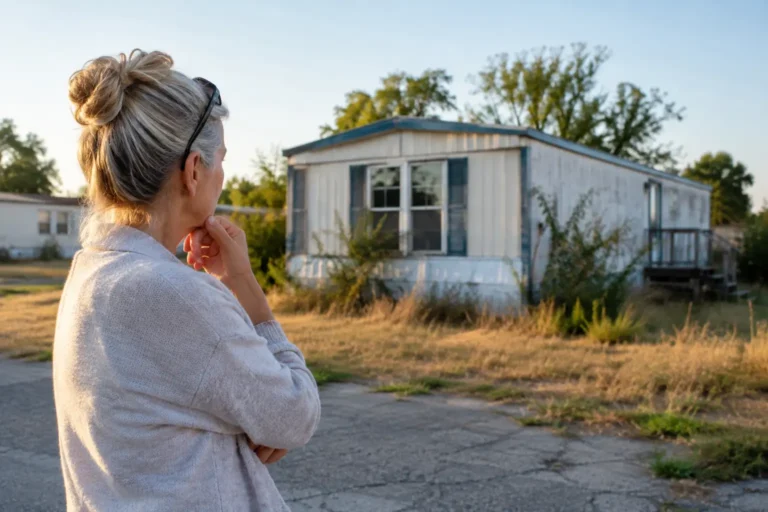

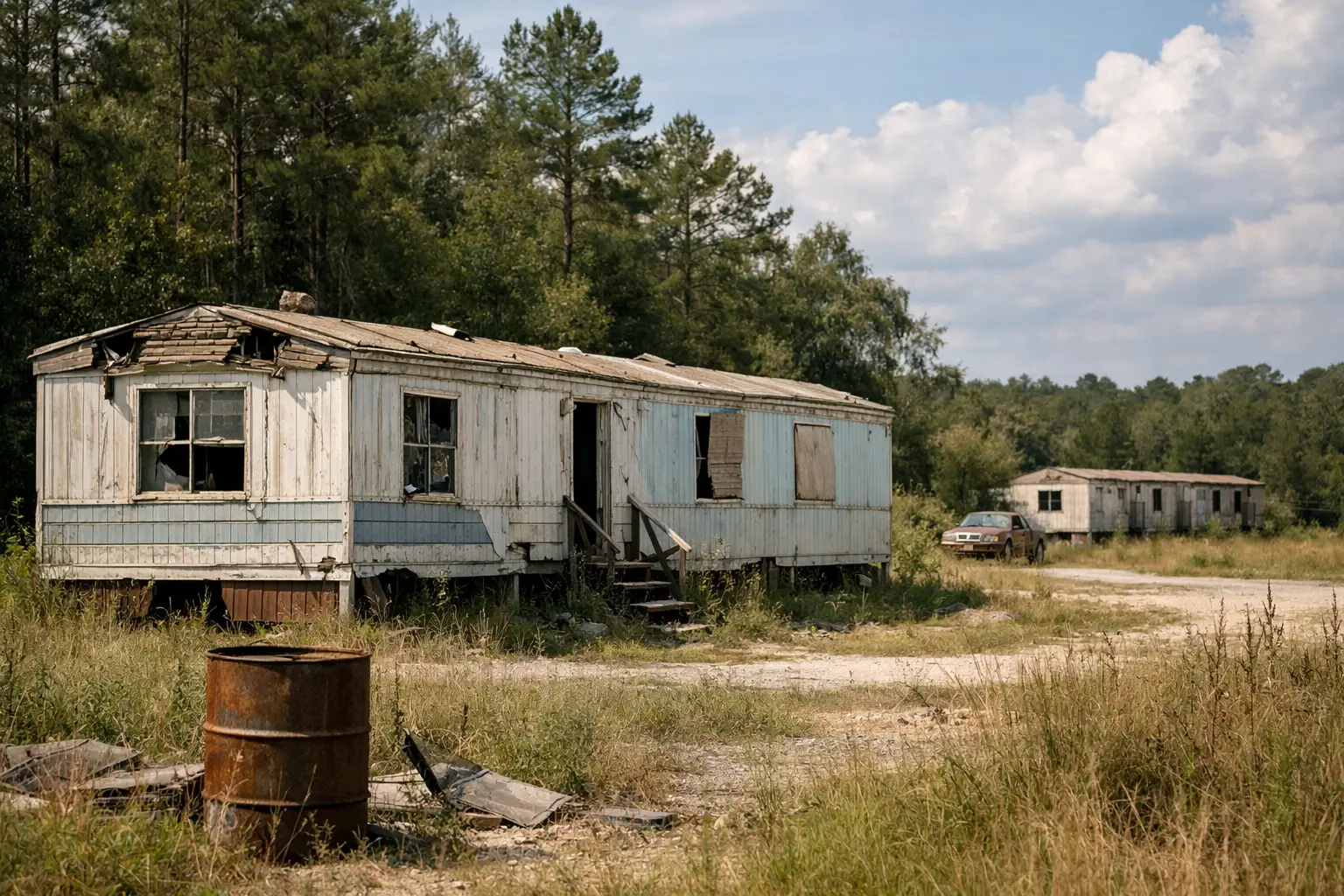
A vacant mobile home can get expensive fast. Lot rent keeps coming due, weather causes more damage each season, and an empty home can attract trespassers, theft, or code complaints. If you are trying to figure out abandoned mobile home options, the right move depends on who legally owns the home, where it sits, its condition, and how quickly you need the problem handled.
For many owners, heirs, landlords, and park managers in Central North Carolina, the goal is not to squeeze every possible dollar out of an old home. The goal is to stop the ongoing costs and move forward with a clear, legitimate solution.
First, determine whether the home is truly abandoned
A home may look abandoned without being legally abandoned. That distinction matters. A former tenant might still own the mobile home even if they moved out, stopped answering calls, or left belongings behind. If the home is in a mobile home community, the park may be owed lot rent, but that does not automatically give the park ownership of the home.
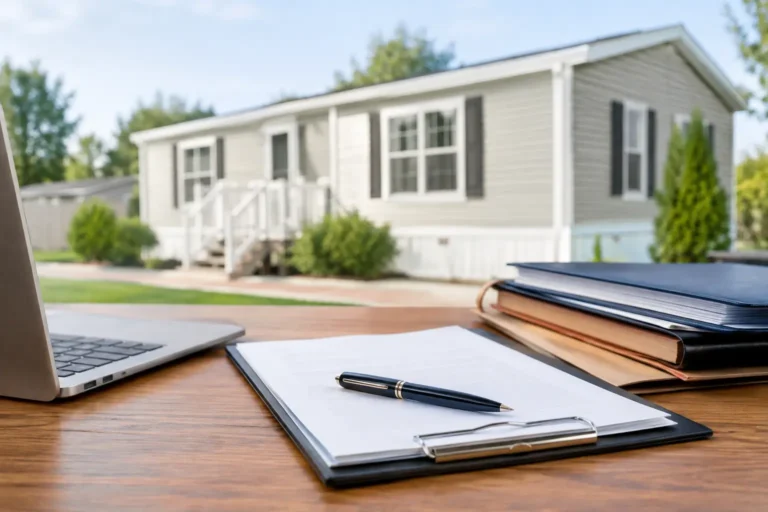
Start by gathering what you know: the owner’s name, the year, make, and VIN or serial number, the title status, the lot lease, and any records of communication or unpaid balances. If you inherited the home, locate probate paperwork and any title documents. If it was left by a tenant, review the lease and follow North Carolina requirements for notice and property handling before taking action.
Do not assume you can sell, remove, or scrap a home just because it has been sitting empty. A title problem can delay every option that follows. When ownership is unclear, getting the paperwork straight first is usually cheaper than dealing with a dispute later.
Your abandoned mobile home options
Once you have the right to make decisions about the home, there are several practical paths. The best choice is usually driven by condition, location, title status, and carrying costs.
Repair and sell it
If the home has a clean title, sound floors, a solid roof, and usable systems, repairs may make financial sense. This is more likely when the home is in a desirable park with reasonable lot rent or on private land where the buyer can keep it in place.
Focus on repairs that make a buyer comfortable taking over: fixing active leaks, removing trash, addressing unsafe electrical issues, and cleaning the interior. A full remodel is not always necessary. Spending $15,000 on cosmetic upgrades to sell a very old home for only a modest increase can leave you worse off.
Before putting money into the home, get realistic local numbers. Ask what similar homes in the same community have actually sold for, not just what sellers are asking. You also need to confirm the park will approve a new resident. A buyer who cannot meet park rules is not a workable buyer, no matter what price they offer.
Sell it as-is for cash
For homes with damage, deferred maintenance, missing appliances, tenant mess, or years of vacancy, an as-is sale can be the cleanest answer. You do not need to clean it out perfectly, repaint every room, or pay for repairs simply to sell.
A direct buyer evaluates the home based on its condition and the work involved, then makes an offer without the usual showings, agent commissions, and listing delays. The offer may be lower than a fully repaired retail sale, but the trade-off is speed and certainty. That can matter when you are behind on lot rent, handling an estate from another state, facing a move deadline, or tired of paying for a home you no longer want.
Triad Mobile Homes LLC works with sellers across the Triad and Central North Carolina who need a straightforward cash sale, including homes in poor condition or situations involving difficult titles, park requirements, and moving questions.
Market the home to a buyer who will keep it in place
A mobile home can be worth more when it stays on its current lot because moving an older manufactured home is expensive and sometimes not feasible. If the community permits the sale, marketing it as a home that can remain in place may attract local buyers who need affordable housing.
This route can work well, but it takes effort. You will need accurate photos, an honest condition description, a clear asking price, and a process for buyer screening. You also need to coordinate with park management so potential buyers understand the application process, lot rent, rules, and move-in requirements.
Be careful with informal payment arrangements. Owner financing or rent-to-own agreements can create a second problem if the buyer stops paying, damages the home, or never completes the title transfer. If you choose this route, use written agreements and make sure responsibility for lot rent, insurance, repairs, and title transfer is clear.
Move the home to another property
Moving may be an option if the home is newer, structurally sound, and has enough value to justify transport. But it is rarely as simple as hiring a truck. The home may need to be separated into sections, prepared for travel, permitted, transported, set up, anchored, and connected to utilities at the new location.
Costs can climb quickly, especially for older homes or long-distance moves. Some parks will not allow a home to leave until back lot rent is paid. Some homes are too old, too damaged, or not built to current standards for a destination community. Private land may require zoning approval, septic evaluation, driveway access, and permits before a move can happen.
Get an estimate from a qualified mobile home mover before promising a buyer that the home can be relocated. If moving costs exceed the home’s likely resale value, selling it in place or pursuing removal may be more realistic.
Remove or demolish it
Sometimes the home has reached the end of its useful life. Severe water damage, a failed roof, fire damage, major floor rot, extensive mold, or structural problems can make repair or relocation a poor investment. In that case, removal may be the most responsible choice.
Removal can involve disconnecting utilities, obtaining approvals from the park or local authority, hauling away debris, and disposing of materials properly. The cost depends on the home’s size, condition, access to the lot, and whether it is a single-wide or double-wide. If the home is on private land, you may also need to restore the site after removal.
Do not let a removal contractor take the home without confirming ownership and title requirements. Even when a home is being demolished, the title or ownership record may need to be handled properly to protect you from future issues.
The paperwork that can make or break the sale
The biggest obstacle with an abandoned mobile home is often not the physical condition. It is paperwork. North Carolina manufactured homes commonly involve a certificate of title, and the VIN or serial number must match the home. Missing titles, deceased owners, liens, name changes, and incorrect VIN information can all slow down a sale.
If there is a lien on the title, find out the payoff amount and who has authority to release it. If the owner has died, the estate may need to appoint a personal representative or provide documents showing who can sign. If the title is missing, begin the replacement process as early as possible.
For a home in a park, contact management before advertising or accepting an offer. Ask whether the home can remain in the community, whether back lot rent must be paid, and what prospective buyers must do to qualify. Clear answers upfront prevent last-minute deals from falling apart.
How to choose the right path
There is no one answer for every empty home. Repairing and selling may bring more money when the home is structurally sound and the lot is desirable. An as-is cash sale may be better when time, cleanup costs, or lot rent are working against you. Moving can make sense for a valuable home with a ready destination, while removal is often the practical call when the home is unsafe or beyond repair.
Start with three questions: Do you have legal authority to sell? Can the home stay where it is? What will it cost you each month if you wait? Those answers usually narrow the decision quickly.
If the home is costing you money, do not let uncertainty turn one vacant property into a longer, more expensive burden. Gather the title and lot information, get a clear assessment of the home’s condition, and choose the option that gives you a clean path forward.