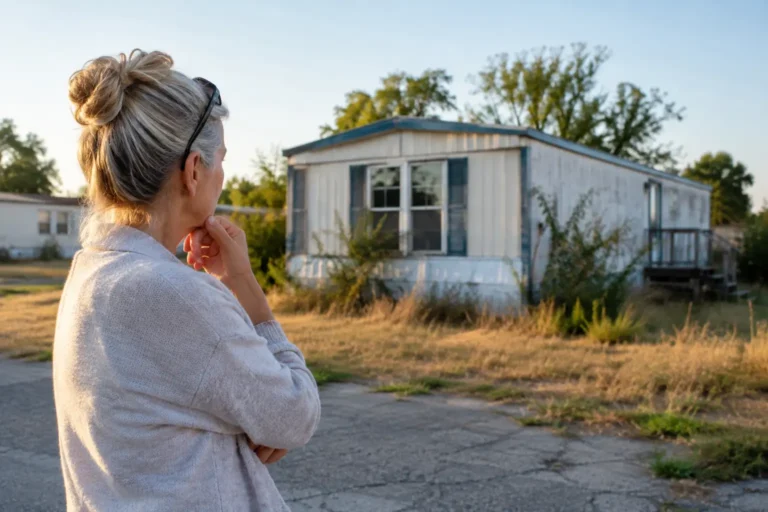


When a family is ready to sell manufactured home with probate delay issues hanging over the deal, the hardest part is usually not finding a buyer. It is figuring out who actually has the legal authority to sign, transfer title, and get the sale closed without creating a bigger mess. That is where many inherited mobile home sales in North Carolina stall out.
Probate delays are frustrating because they make a simple problem feel complicated. You may have a vacant home in a park with lot rent still due. You may be an out-of-state heir trying to handle everything by phone. Or you may have siblings who all agree the home needs to be sold, but nobody is sure what paperwork comes first. The good news is that a delay does not always mean you are stuck doing nothing.
Can you sell manufactured home with probate delay in NC?
Sometimes yes, but not in the way most people expect.
If the deceased owner was the only legal owner on the title, the home usually cannot be fully sold and transferred until the right probate steps have happened. That does not mean the process has to stop completely. In many cases, you can still gather documents, confirm title details, speak with the park, line up a buyer, and prepare the file so the sale can move fast once the estate has authority.
The exact answer depends on three things. First, whether the manufactured home has a clear title and whose name is on it. Second, whether the estate has opened and whether an executor or administrator has been appointed. Third, whether the home sits in a mobile home park or on private land, because park approval and lot issues can affect timing.
That is why inherited manufactured homes are different from a standard house sale. With a site-built home, people often focus on the real estate first. With a manufactured home, title, tax records, land rights, DMV paperwork, and park rules can all matter at the same time.
What causes a probate delay on a manufactured home sale?
Probate delays usually come from missing authority, missing paperwork, or family disagreement.
The most common issue is simple. Everyone assumes an heir can sign because everyone knows who should inherit the home. But buyers, parks, and title offices do not work off assumptions. They need proof. If no executor or administrator has legal authority yet, the sale may sit until the court process catches up.
Another common delay is title confusion. Many families discover too late that the title is lost, still shows a deceased spouse, lists multiple owners, or was never properly updated after an earlier transfer. That is especially common with older single-wides and double-wides that have changed hands informally over the years.
Then there is the practical side. The home may have back lot rent, taxes due, deferred maintenance, or park management that wants answers now. Probate moves on court timelines. Parks and unpaid bills do not. That mismatch creates pressure fast.
What you can do while probate is still pending
Even if you cannot close today, you can still do useful work now that saves time later.
Start by confirming exactly what is being sold. Is it just the home, or the home and land together? A manufactured home in a park is usually a different transaction than one on private property. If the home is in a park, contact management and ask what they require for a sale, who can stay in the home, whether they allow older homes to remain, and what the current lot balance is.
Next, gather every document you can find. That includes the death certificate, any will, title or title number, tax records, registration details, loan payoff information if any exists, and contact information for all heirs. If you have court paperwork showing who is handling the estate, keep that ready too.
It also helps to get a realistic value now instead of waiting until the file is perfect. A direct cash buyer who understands manufactured homes can often review the situation, identify likely roadblocks, and tell you what the numbers look like once the estate is ready. That can be useful if multiple heirs need to agree on next steps.
Why traditional buyers often back away
A probate delay makes many retail buyers nervous, but manufactured home deals already have more moving parts than a standard home sale. Put those together, and the buyer pool gets small.
A retail buyer usually wants a clean, ready-to-close transaction. They do not want to wait on court authority, wonder whether the title can be transferred, or deal with park approval problems. If the home needs repairs, has old skirting damage, soft floors, roof issues, or missing HVAC, that narrows the field even more.
That is one reason sellers dealing with inheritance issues often prefer a direct buyer or local specialist. The goal is not squeezing out every last dollar on paper. The goal is certainty, speed once clearance is in place, and help with the hard parts.
How to shorten the wait when you need to sell manufactured home with probate delay
You cannot force probate to move overnight, but you can remove delays that are within your control.
First, make sure the estate has the right person in charge. If nobody has formally opened probate, that is often the first bottleneck. If probate has started, confirm who has authority to sign and whether additional documents will be needed for the sale.
Second, verify title status early. Do not assume the title is clean because the taxes were paid or the family has the old paperwork. Manufactured home title problems can surface late and cost weeks. If the title is missing or incorrect, start that correction process as soon as possible.
Third, get ahead of park communication. If the home is park-located, ask management what they need for transfer, move-out, or buyer approval. Some parks are easy to work with. Others have age restrictions, condition standards, or past-due balances that must be addressed before anything can happen.
Fourth, choose a buyer who already understands NC manufactured home paperwork. A buyer who does not know the difference between land transfer and home title transfer can waste your time. A specialist can usually tell within one conversation what is straightforward, what is delayed, and what documents should be chased first.
When selling as-is makes the most sense
Probate cases and repair-heavy homes are a rough combination. If the home has been vacant for months, there may be leaks, mold, soft spots, broken windows, plumbing issues, or vandalism. In that situation, fixing it up during probate often adds stress without solving the legal delay.
Selling as-is can make more sense if the family wants a clean exit. No cleaning. No repair list. No showings with strangers walking through a home that may not even be legally ready to transfer yet. You can focus on getting authority and paperwork lined up, then close when the estate is cleared.
That approach is especially useful for heirs who live out of town. Driving back and forth to mow grass, coordinate repairs, or meet buyers can eat up whatever extra price you hoped to get.
A simple path forward for NC heirs
If you are handling an inherited home in Greensboro, Winston-Salem, High Point, or nearby Central North Carolina areas, keep the process simple.
Find out who has legal authority. Confirm whether the home title is correct. Check with the park if the home is on rented lot space. Then talk to a manufactured home buyer who can evaluate the situation as it stands today, not after everything is magically perfect.
At Triad Mobile Homes LLC, that usually starts with basic property details, a quick review of the title and probate situation, and a straightforward conversation about whether the file is ready now or what still needs to happen first. No pressure. No obligation. Just clear next steps.
Probate delays feel heavier when nobody explains them plainly. But most of the time, the path is not mysterious. It is a matter of sorting authority, title, and park issues in the right order so you can stop carrying a property you do not want to keep. The sooner you get clear on those three pieces, the sooner you can move on.