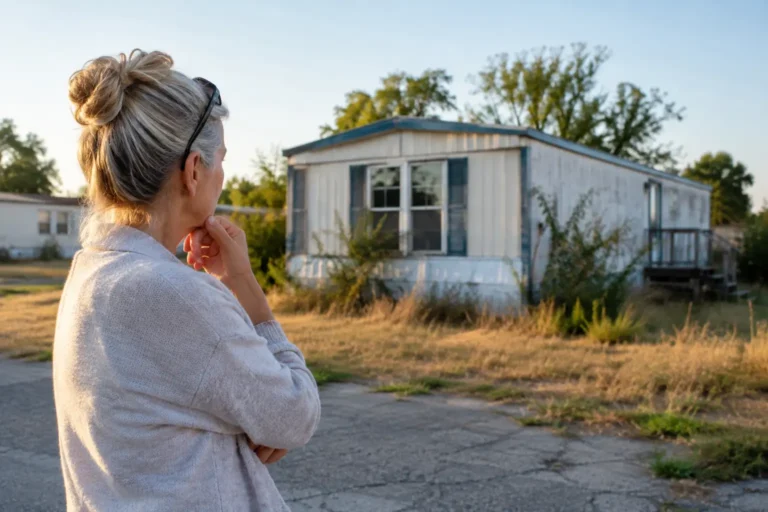


A vacant mobile home can turn into a monthly problem fast. Lot rent keeps coming due. A park manager may be asking for updates. Repairs, title paperwork, and finding a qualified buyer can feel like more work than the home is worth. That is where cash mobile home buyers can provide a practical path forward.
For many Central North Carolina sellers, the goal is not to spend months chasing the highest possible price. The goal is to get a clear offer, know the closing plan, and move on without paying for repairs, listings, commissions, or repeated showings. A cash sale can do that, but only when you understand how the process works and what questions to ask.
What Cash Mobile Home Buyers Actually Do
Cash buyers purchase mobile homes and manufactured homes directly from the owner. Rather than listing the home with a real estate agent or posting it yourself and sorting through messages, you provide basic information about the home. The buyer reviews its condition, location, title status, park rules if applicable, and whether it will stay in place or need to be moved.
If the home fits their buying criteria, they make an offer. When you agree, the buyer coordinates the paperwork and closing steps. In a straightforward situation, this can happen much faster than a traditional sale because there is no lender waiting to approve the buyer’s financing.
That does not mean every cash offer is automatic or every situation closes overnight. Mobile homes have details that traditional home buyers often miss. A local specialist should ask the right questions upfront instead of promising a number before learning whether the title is available, whether lot rent is current, and whether the park will approve a new resident.
Why Sellers Choose a Cash Sale
A cash sale is often about certainty. You know who is buying, what they are offering, and what has to happen before closing. That can be especially valuable when the home needs work or the owner is dealing with a deadline.
Owners commonly consider cash mobile home buyers when they are relocating for work, managing an inherited home from out of state, going through a divorce, facing repossession, or trying to avoid falling further behind on lot rent. Others simply do not want to clean, repair, photograph, advertise, and show a home that they no longer want.
The trade-off is straightforward: a direct cash offer may be lower than the highest price you might get after making repairs, marketing the home, and waiting for the right financed buyer. But the higher listed price is not always the amount you take home. Repairs, transportation, lot rent, commissions, holding costs, and a deal that falls through can change the math quickly.
For a seller who has time, a clean home, a marketable location, and a clear title, listing or marketing the home may produce more. For a seller who needs a dependable exit, an as-is cash offer can be the better decision.
What Affects Your Cash Offer?
A fair offer starts with the actual facts of the home, not a generic online estimate. The year, size, manufacturer, layout, and condition all matter. So do the roof, floors, plumbing, HVAC, appliances, and whether there is water damage or soft flooring.
Location can matter just as much as condition. A home in a well-managed community with reasonable lot rent and a strong demand for homes may have more value than a similar home in a park with strict age rules or limited buyer approvals. If the home sits on private land, the offer will also depend on whether land is included, whether it is being sold separately, and what utilities or access issues exist.
Title status is another major factor in North Carolina. A missing title, a lien, an estate situation, or names that do not match the current owner does not always stop a sale. It does mean there may be additional paperwork and time involved. A serious buyer should explain what can be handled and what must be resolved before funds can be paid.
Moving the home changes the calculation too. Older homes may not be eligible to move, and transport costs can be significant. If the home is staying in the park, the buyer needs to know the community’s rules for ownership transfer and resident approval. If it must be moved, permits, setup requirements, and a destination lot can all affect the offer.
The Simple Process to Expect
A direct sale should feel clear, not confusing. The best process usually begins with a short conversation about the home and your timeline. Be ready to share the home address, make and year if known, number of bedrooms and bathrooms, condition, photos if available, and whether you have the title.
Next, the buyer evaluates the details and may schedule a visit. A walkthrough is not the same as a traditional listing inspection. It is simply how the buyer confirms the information needed to make an accurate offer. You should not have to repair the home or deep-clean it before that visit.
Once you receive an offer, take the time you need to review it. A legitimate cash buyer will not pressure you to sign before you understand the price, closing date, title requirements, and who is responsible for any park transfer, moving plan, or past-due lot rent. If you accept, the paperwork is prepared, the ownership transfer is completed properly, and payment is made at closing according to the agreed terms.
Triad Mobile Homes LLC focuses on this kind of hands-on process for sellers across the Triad and surrounding Central NC communities. The point is to remove the work that usually gets pushed back onto the owner, from buyer sourcing to manufactured-home logistics.
Questions to Ask Before You Accept an Offer
Not every company advertising a fast cash sale operates the same way. Ask whether the buyer is purchasing the home directly or marketing it for you. Either option can be useful, but you deserve to know who is responsible for finding the final buyer and how long that may take.
Ask for the offer terms in writing. You should understand the cash amount, anticipated closing date, any conditions that could change the offer, and whether you will pay any fees. Be cautious if someone asks for money upfront to receive an offer or uses vague language about fees that will be deducted later.
You should also ask how title problems and park requirements will be handled. A buyer who works with manufactured homes regularly should know that a mobile home sale may involve the DMV title process, lien releases, tax questions, community management approval, or transport coordination. They may not be able to solve every issue immediately, but they should be direct about the next step.
Finally, do not confuse urgency with pressure. A real deadline, such as an eviction filing or scheduled move, may require quick action. Even then, you should have a clear explanation of what you are signing and when you will be paid.
When an As-Is Sale Makes the Most Sense
Selling as-is is often the right fit when the home has damage that would be expensive to repair before listing. Roof leaks, floor damage, outdated interiors, broken appliances, storm damage, tenant damage, and homes filled with belongings can all discourage typical buyers. A cash buyer evaluates the home in its current condition and builds the repair work into the offer.
It can also make sense when the home is empty and costing you money each month. An inherited mobile home may be difficult to manage from another state. A divorce or job relocation may leave no time to prepare a property for sale. In these situations, speed and a defined closing date have real value.
Still, as-is does not mean you should hide known problems. Be honest about damage, title issues, lot rent, liens, and park notices. Full information helps the buyer make a reliable offer and reduces surprises that can delay closing.
A Better Way to Move Forward
Selling a mobile home does not have to become a second job. Start by gathering what you know about the home, including the title, park information, payment status, and any major repair concerns. Then request a no-obligation cash offer from a buyer who understands manufactured housing in your area.
The right buyer will give you a plain answer, a fair path to closing, and room to make the decision that works for you. If the offer gives you the certainty you need, you can stop managing the problem and start planning what comes next.