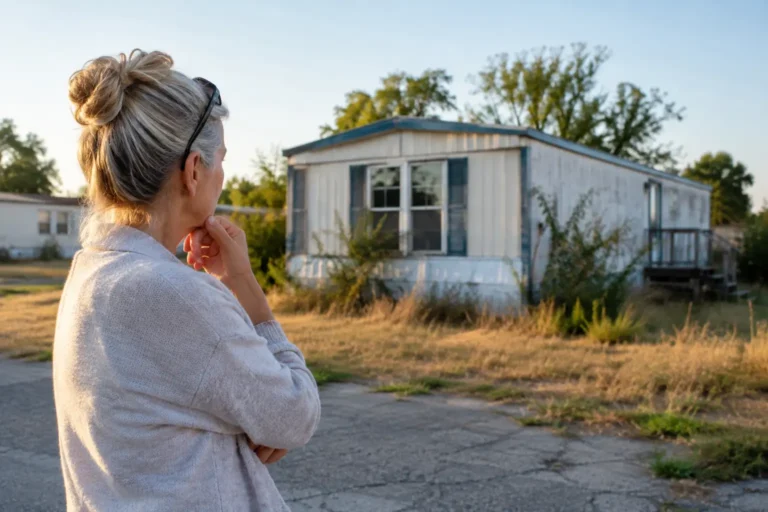


A missing permit can stop a buyer cold just when you need your mobile home sold. If you need to sell mobile home with permit issues in Central North Carolina, do not assume the home is unsellable or that you must spend thousands of dollars fixing every problem first. The right path depends on what was done, where the home sits, who owns the land, and whether a buyer can take on the work.
Permit problems are common with older manufactured homes. A previous owner may have added a deck, built a room addition, replaced electrical wiring, moved the home, or installed plumbing without pulling the required permits. Sometimes the issue is not bad work at all. The records may simply be incomplete, outdated, or filed under a prior owner’s name.
The key is to get clear on the problem before making promises to a buyer. That gives you a better chance of selling quickly, avoiding a last-minute cancellation, and moving on without unnecessary stress.
What Counts as a Mobile Home Permit Issue?
A permit issue is not one single problem. It can involve the home itself, the land, the utility connections, or a structure attached to the home. In North Carolina, requirements can vary by county, city, and mobile home community, so a situation that was tolerated years ago may still create questions when it is time to sell.
Common permit-related problems include:
- An unpermitted deck, porch, carport, shed, or room addition
- Electrical, plumbing, HVAC, or roofing work completed without inspections
- A manufactured home moved onto private land without proper setup or placement approvals
- Missing records for septic, well, tie-downs, foundation work, or utility connections
- A home located in a park where additions or exterior changes were not approved by management
A permit issue is different from a title issue, although the two can show up together. The title proves ownership of the mobile home. A permit generally concerns whether work, placement, or installation met local rules. You may be able to transfer a clean title while still needing to disclose an unpermitted addition or unfinished inspection.
First, Find Out What Is Actually Missing
Do not start tearing down a porch or calling contractors before you know whether there is a real violation. Begin with the local building inspections office for the county or city where the home is located. Ask whether permits are on file for the home’s installation and for the specific work in question.
If the home is in a mobile home park, speak with park management too. Their approval requirements can be separate from county permitting. For example, a deck may meet local code but still violate park rules because of its size, placement, or condition.
Keep your questions simple and factual. Explain that you are considering a sale and want to understand the status of the property. Ask whether the work can be permitted after the fact, whether an inspection is required, and whether there are open violations or fees. Written answers are useful when you begin talking with buyers.
It also helps to gather what you already have: the mobile home title, tax records, prior purchase paperwork, invoices, photographs, and any old permits. Even partial records can help establish when work was completed and who may have done it.
Your Main Options When Selling With Permit Problems
Once you understand the issue, you generally have three choices: correct it before selling, sell with the issue disclosed, or remove the unpermitted structure if that solves the problem. None is automatically best.
Fix the Issue Before Listing
If the missing permit concerns a relatively small repair or an addition that can pass inspection, bringing it into compliance may broaden your buyer pool. A retail buyer using financing may be more comfortable with a clean record, especially if they plan to keep the home on private land.
The trade-off is time and cost. After-the-fact permits can require inspections, contractor repairs, drawings, or removal of finished walls so an inspector can see electrical or plumbing work. If you are behind on lot rent, facing relocation, handling an inherited home from out of state, or simply need cash soon, waiting for that process may not make sense.
Sell the Home As-Is and Disclose the Problem
An as-is sale can be the practical choice when the permit issue is known, the home needs other work, or you are selling to an experienced buyer. You should disclose what you know plainly. State what was added or changed, when it was done if known, whether permits are on file, and whether you have received notices from a county, city, or park.
Do not guess that an issue is minor, and do not tell a buyer that something is approved unless you can verify it. Clear disclosure protects everyone and prevents a deal from falling apart after the buyer inspects the home or speaks with park management.
Keep in mind that an as-is buyer will factor uncertainty, repair costs, and potential permit expenses into the offer. You may not receive the same price as a fully updated, documented home. In exchange, you may avoid repairs, repeated showings, agent commissions, and months of waiting for a conventional buyer.
Remove the Problem Structure
Sometimes removal is cheaper and faster than legalization. An unsafe porch, damaged addition, collapsing carport, or noncompliant shed may be better removed before the sale. This is especially true if the mobile home is being moved, since attached structures usually need to come off anyway.
Before removing anything, confirm that it will not create a new problem. Disconnecting electrical service, plumbing, or HVAC components incorrectly can make the situation worse. If a structure is tied into the home, get professional advice on safe removal.
Selling a Mobile Home in a Park vs. on Private Land
Where the home sits changes the conversation.
For a home in a park, the buyer often must be approved by management before taking over the lot. Park management may inspect the home, require exterior repairs, or reject unapproved additions before approving a new resident. If lot rent is past due, resolve that issue early or ask whether the park will allow a sale subject to payoff at closing.
For a home on private land, permit concerns can be more involved because the buyer may be buying both the home and real estate. Placement permits, septic and well records, zoning, access, foundation requirements, and utility connections can all matter. If the manufactured home is being sold separately and moved, the buyer will focus more on title, condition, transport readiness, and whether additions can be removed.
A direct mobile home buyer can be particularly useful when moving is part of the plan. They can evaluate whether the home is worth relocating, what must be detached, and whether the permit issue stays with the land or affects the home itself.
How to Prepare for a Straightforward Sale
You do not need to make the home perfect to sell it, but you do need to make the facts available. Have the title ready if possible, along with the VIN or serial number, the park name or property address, current lot rent information, and any notices you have received.
Take clear photos of the exterior, the unpermitted area, and the home’s interior condition. Buyers can make faster decisions when they see the actual situation instead of hearing a vague description. If there is water damage, soft flooring, missing skirting, storm damage, or a failed appliance, mention it upfront. A serious buyer will find it anyway.
Be ready to answer a few practical questions: Is the home occupied? Are utilities on? Is the title in your name? Does anyone else need to sign? Is there a loan, lien, estate, divorce matter, or past-due lot rent? Permit issues are easier to solve when the rest of the transaction is organized.
When a Cash Buyer Makes Sense
A cash buyer is not the right fit for every seller. If your home is in good condition, has complete records, and you have time to market it, you may decide to pursue a higher retail price. But that route usually means cleaning, repairs, listings, buyer questions, showings, and the risk that a buyer backs out after learning about permit concerns.
If speed and certainty matter more, an experienced buyer may purchase the home as-is and handle the hard parts after closing. Triad Mobile Homes LLC works with owners facing complicated situations across the Triad and surrounding Central NC markets, including homes with condition, title, park, moving, and permit-related obstacles. The process starts with the facts about the home, not pressure to make repairs you cannot afford.
A fair cash offer will reflect the home’s condition, location, title status, lot situation, and the cost or risk tied to the permit problem. That is not a penalty for being honest. It is how a buyer can close without asking you to gamble time and money on repairs first.
Do Not Let a Missing Permit Keep You Stuck
The worst move is usually doing nothing while lot rent, taxes, repair needs, or family pressure keep building. A permit issue deserves a clear answer, but it does not always require a full renovation or a long trip through the permitting process before you can sell.
Start by identifying the issue, collecting your paperwork, and being upfront about what you know. Then compare the cost of fixing it against the value of a faster as-is sale. A straightforward conversation with a buyer who understands manufactured homes can turn a problem that has been hanging over you into a practical next step.