A manufactured home can be hard enough to sell without spending weeks answering messages from people who never show up. If you need to review manufactured home selling platforms, start with one question: do you need the highest possible asking price, or do you need a reliable path to closing? The right answer depends on your timeline, the home’s condition, whether it is in a park, and how much work you can take on yourself.
For many Central North Carolina owners, the issue is not simply finding a buyer. It is dealing with a title, lot rent, park approval, repairs, moving questions, or an inherited home from out of town. Each selling platform handles those problems differently.
Review Manufactured Home Selling Platforms by What They Actually Do
A selling platform is not always a website. It can be a do-it-yourself marketplace, a real estate agent or broker, a mobile home community office, an auction-style outlet, or a local direct cash buyer. They may all promise exposure or speed, but the seller experience can be completely different.
The best route is the one that matches your situation. A seller with a clean, newer home on private land and time to wait may benefit from broad marketing. A seller facing late lot rent, a relocation deadline, storm damage, or a title problem may need a buyer who can make a straightforward offer and handle the hard parts.
Online marketplaces: broad reach, more seller work
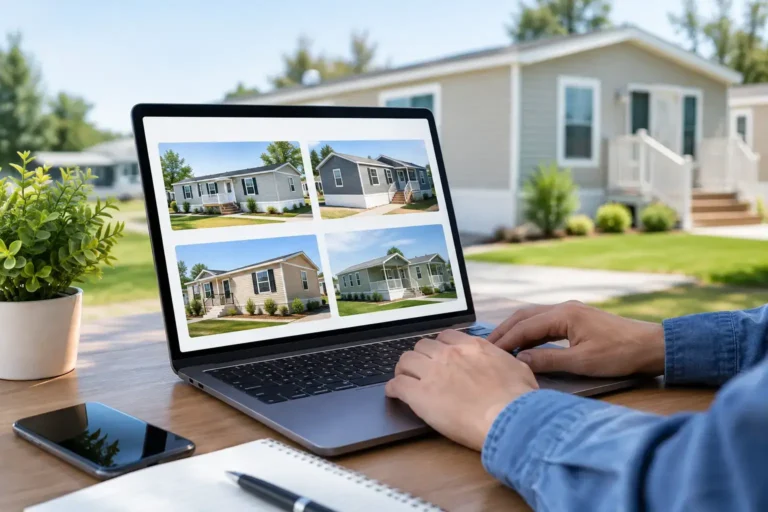
Facebook Marketplace and similar classified platforms can put your home in front of a large local audience quickly. They are often free or inexpensive, which makes them attractive when you want to test the market without paying a commission.
The trade-off is time and uncertainty. You create the listing, take photos, answer calls and messages, schedule showings, screen buyers, negotiate the price, and follow up when a buyer disappears. Manufactured home listings also attract questions that are not simple: Can the home stay in the park? What is the lot rent? Does it have a title? Can it be moved? Who pays for repairs or transport?
Marketplace selling can work well when the home is clean, priced realistically, and easy to transfer. It is less appealing when you need a sale fast or do not want strangers coming through the home. Be careful with buyers who pressure you to accept a deposit without clear paperwork, ask for unusual payment arrangements, or will not verify funds.
Traditional agents and brokers: help with marketing, but not every situation
An agent can help position a home, coordinate showings, negotiate with buyers, and reduce some of the back-and-forth. This route may make sense if the home is on owned land, has strong curb appeal, and you have enough time to wait for a financed or retail buyer.
However, manufactured homes do not always fit the standard real estate process. Homes in mobile home parks are often personal property rather than real estate. Park management may need to approve the incoming resident. A home that needs repairs, has an older title, or cannot qualify for conventional financing can limit the buyer pool.
There are also selling costs to consider. Commissions, photography, listing preparation, repairs, cleanup, and months of carrying costs can reduce what you take home. An agent is not a bad option, but it is usually better for sellers who can prioritize market exposure over speed and certainty.
Mobile home community referrals: useful, but limited control
If your home is in a community, the park office may know residents looking to buy or may maintain a waiting list. This can be a practical starting point because a buyer familiar with the park already understands the location and lot-rent structure.
Still, a referral is not a guaranteed sale. The park’s rules, buyer approval process, age restrictions, and home-condition requirements can affect the deal. Some communities also have rules about whether older homes can remain in place or whether a home must be moved after a sale.
Ask the community directly what is required before you advertise. Find out whether the buyer must be approved, what lot rent is due, whether back rent must be paid at closing, and whether there are transfer fees. Getting those answers early prevents a buyer from backing out later.
Direct cash buyers: less exposure, more certainty
A direct manufactured home buyer is usually the most practical option when speed matters more than chasing top-dollar retail pricing. Instead of listing the home and waiting for individual buyers, you provide the details, receive an offer, and decide whether it works for you.
The main advantage is a shorter, more controlled process. A legitimate local buyer can often purchase homes as-is, which means you may not need to repair flooring, replace appliances, clean out every room, or pay for staging. You also avoid agent commissions, repeated showings, and the uncertainty of financing falling through.
The trade-off is straightforward: a cash offer is usually below the highest possible retail asking price. That difference may be worth it if the home is vacant, you are behind on lot rent, you live out of state, or the cost of waiting keeps adding up. A fair comparison is not just offer price versus offer price. Compare your net proceeds after repairs, commissions, lot rent, utilities, transport issues, and the time it may take to close.
At Triad Mobile Homes LLC, sellers can request a no-obligation cash offer for homes throughout the Triad and surrounding Central NC areas. The goal is simple: understand the situation, make a fair offer when it fits, and help move the sale forward without making the seller solve every problem alone.
What to Check Before You Choose a Selling Option
Before posting an ad or accepting an offer, gather the basic facts about the home. You do not need everything to start a conversation, but knowing the details helps you avoid delays.
Start with the title. Find out whether you have a clear North Carolina title, whether there is a lienholder, and whether every owner listed on the title can sign. If the home was inherited, a deceased owner is still on the title, or the title cannot be located, do not assume the sale is impossible. It may take extra paperwork, but a manufactured home specialist can explain the next step.
Next, confirm where the home sits. A home on private land may involve land records, taxes, and possibly a real estate transaction. A home in a park involves lease terms, lot rent, community approval, and sometimes removal requirements. These are different transactions, and the platform you choose should understand the difference.
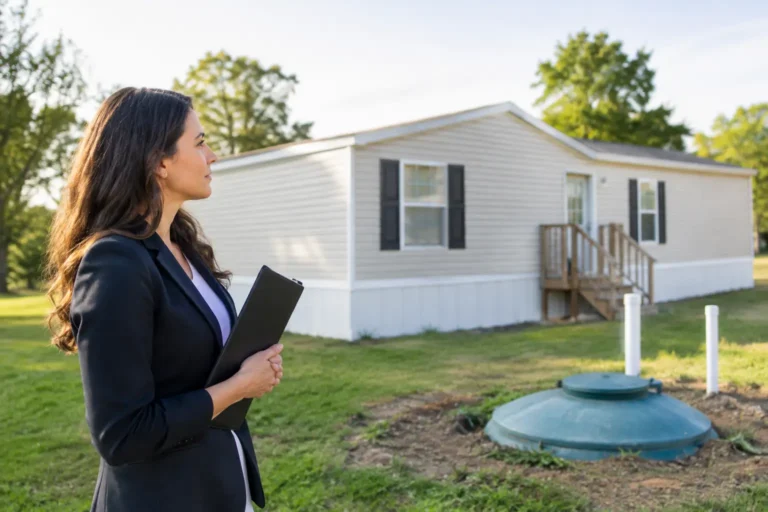
Then look honestly at condition. Water damage, soft floors, roof leaks, missing skirting, damaged HVAC systems, and abandoned belongings do not automatically prevent a sale. They do affect who will buy and what the home is worth. A retail buyer may want repairs completed. A direct buyer may be willing to take the home as-is.
Finally, ask every potential buyer or service provider the same practical questions: How soon can you close? Who handles the title paperwork? Are there commissions or fees? Do I need to make repairs? What happens if park approval is required? Will the buyer provide proof of funds? Clear answers matter more than a vague promise of a high price.
Choose the Platform That Fits Your Deadline
If you have time, a clean home, and the energy to manage inquiries, a marketplace or broker may help you reach more buyers. If your situation has a deadline or complications, a direct buyer may save you money, stress, and weeks of uncertainty.
There is no prize for choosing the most complicated way to sell. The right platform is the one that gives you clear terms, a realistic closing date, and enough confidence to move on with your next step.