A fire can turn a mobile home into an urgent problem within minutes. One day, you are dealing with a home, a title, and monthly bills. The next, you may be facing smoke damage, a condemned structure, a worried park manager, insurance questions, and a deadline to clear the lot. This mobile home fire case study shows how a Central North Carolina owner can move from a damaged home to a clear next step without paying for repairs they cannot afford.
This is a representative example based on common issues that come up after a manufactured home fire. Every situation is different, especially when insurance, park rules, liens, and title ownership are involved. But the process below shows why a damaged mobile home can still have value and what to do before making an expensive decision.
The Situation: A Fire-Damaged Home in a Mobile Home Park
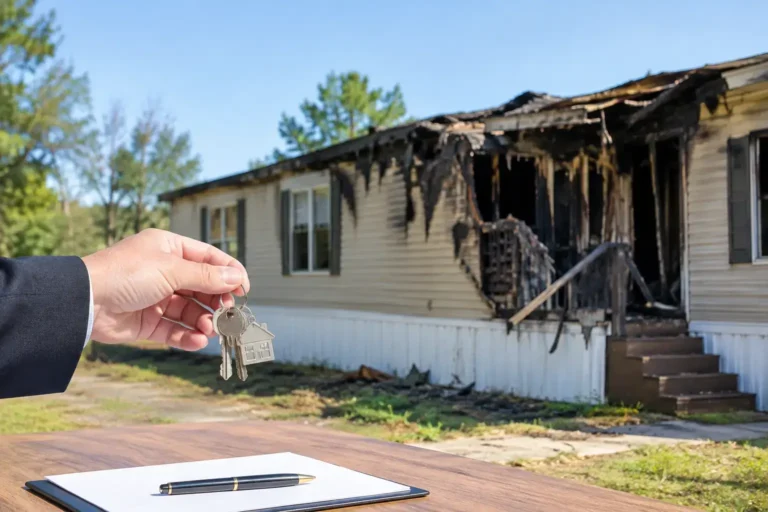
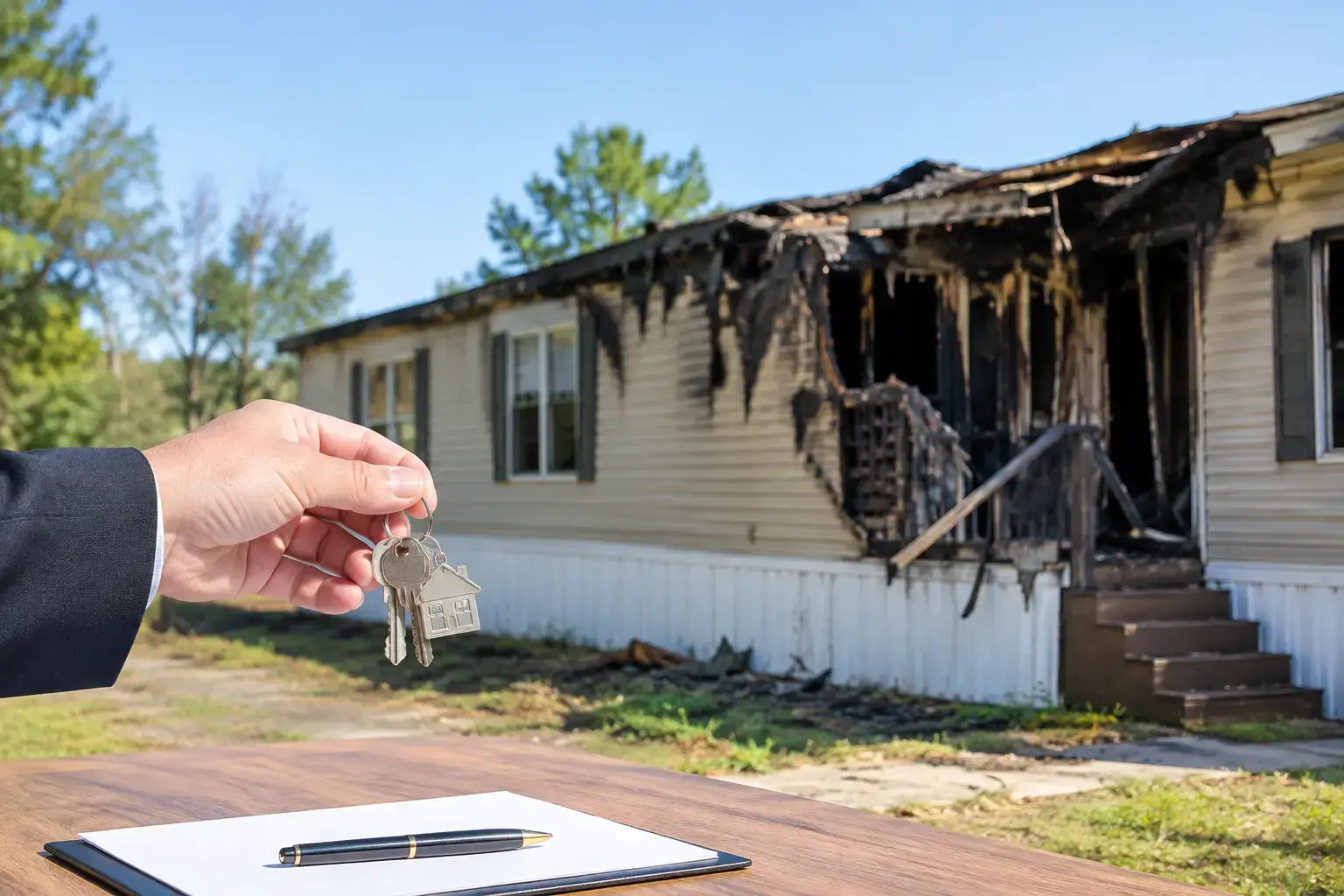
A homeowner in the Triad had an older single-wide in a mobile home community. A small kitchen fire was contained before it spread through the entire home, but it caused serious smoke damage in the kitchen and living room. The ceiling near the fire was damaged, several walls needed replacement, and the home smelled heavily of smoke.
The owner had already moved in with family after the fire. The home was vacant, but lot rent was still due every month. The park wanted to know whether the home would be repaired or removed. The owner did not have enough savings to complete a full renovation, and a traditional buyer was unlikely to qualify for financing on a home in that condition.
That left a practical question: repair it, move it, demolish it, or sell it as-is?
What Made This Mobile Home Fire Case Complicated
A fire-damaged mobile home is not handled like an ordinary home sale. Even when the fire is limited to one room, the real cost can extend well beyond visible burn damage. Smoke can affect insulation, ductwork, cabinets, flooring, wiring, and personal property. Water used to put out the fire can create mold concerns if it is not addressed quickly.
The owner also had to deal with several issues at the same time:
- The park needed a plan and may have required approval for repairs, a buyer, or removal.
- The title had to be located and transferred correctly before a sale could close.
- The home’s condition made retail financing difficult for most buyers.
- Continuing lot rent created pressure to act quickly.
- Repair estimates were higher than the owner expected, especially after demolition and smoke remediation were included.
For many owners, the biggest mistake is looking only at the first repair quote. A contractor may quote the visible fire area, but further damage can appear once walls, flooring, or ceilings are opened. In an older manufactured home, matching materials and bringing systems up to current requirements can also add cost.
The First Decision: Is Repairing Worth It?
Repairing can make sense when the damage is limited, the home is newer, insurance coverage is available, and the expected value after repairs supports the expense. It may also make sense if the owner wants to keep living in the home and the park allows the work.
But repair is not automatically the best choice. In this case, the homeowner had no desire to move back in, had limited insurance funds, and could not carry lot rent for months while managing contractors. The estimated repair budget also did not include every possible surprise behind the walls.
Before deciding, the owner compared three numbers: the likely cost to repair, the expected value of the home once repaired, and the cost of holding it while work was completed. Holding costs included lot rent, utilities, insurance, cleanup, and the risk that the park would require quicker action.
The numbers showed that a full renovation could cost more than the owner was comfortable spending. Selling as-is was not likely to produce the highest possible price, but it offered something the owner needed more: certainty.
The Second Decision: Can a Fire-Damaged Mobile Home Be Sold As-Is?
Yes, in many cases. A mobile home with fire damage can still be sold as-is, provided the condition is disclosed and the buyer understands what they are purchasing. The buyer may want the home for renovation, parts, removal, or replacement value on a lot where the community permits it.
The key is finding the right type of buyer. A typical retail buyer often wants a move-in-ready home. A cash buyer, investor, mobile home specialist, or experienced rehab buyer may be better positioned to evaluate the home as it stands.
An as-is sale does not mean hiding problems. The seller should be direct about the fire, the known damage, whether the fire department or insurance company was involved, and whether utilities are currently active. Clear information prevents wasted time and helps a serious buyer make a fair offer.
In this case, the owner chose not to clean, rebuild, or remove damaged materials before seeking an offer. That avoided spending more money without knowing whether a sale was possible. Photos and basic details about the home, park, title, damage, and lot rent status gave the buyer enough information to begin evaluating the situation.
Park Rules Can Change the Plan
If the home is located in a mobile home park, the community’s rules matter. Some parks require buyer approval before a new resident can take over the lot. Others have standards around the age, appearance, condition, or move-in eligibility of homes. A fire-damaged home may also trigger a deadline for repair or removal.
That does not necessarily stop a sale. It simply means the sale must be coordinated correctly. The buyer may need to qualify with the park, arrange removal, or provide a repair plan. Sellers should not assume that a buyer can just take over the lot without speaking to park management.
The owner in this case contacted the park early. That conversation clarified the deadline and helped avoid a last-minute dispute. It also made it easier to determine whether the best buyer would be someone planning to repair the home in place or someone prepared to move it.
Title and Insurance Questions Need Attention Early
A damaged home is still a titled asset in North Carolina. If the seller has a clean title, the transaction is usually simpler. If the title is missing, still shows a previous owner, or has a lien listed, that issue should be addressed as early as possible.
Insurance can add another layer. If there is an active claim, do not sign away rights or agree to a sale structure you do not understand. The owner should confirm whether the insurer has inspected the damage, whether the claim includes the structure, and whether any lender has an interest in the insurance proceeds.
In some cases, an owner can sell the damaged home while keeping an insurance claim open. In other cases, the details of the claim, loan, and sale agreement may affect what is possible. When the facts are unclear, getting advice from the insurer, lender, or a qualified legal professional is the safer move.
How the Owner Moved Forward
Rather than list the home, host showings, and wait for a financed buyer, the owner requested an as-is cash offer. The goal was not to chase a perfect price. The goal was to stop the lot-rent pressure, avoid a large repair bill, and get a clear closing plan.
The process was straightforward. The owner provided the home’s location, age, condition, photos, title status, and basic details about the fire. After the property was reviewed, the offer reflected the home’s damage, the work required, park requirements, and the costs the buyer would take on.
Once terms were agreed on, the focus shifted to paperwork and timing. The seller did not need to repaint, clean out every damaged area, coordinate contractors, or pay a real estate commission. A specialist such as Triad Mobile Homes can help owners work through the details of a difficult manufactured home sale, including title questions and park communication.
What Owners Should Do After a Mobile Home Fire
The first priority is safety. Do not enter a fire-damaged home until it has been cleared to enter, and do not turn utilities back on without appropriate inspection. After that, document the condition with photos and gather the title, insurance information, park lease, payoff details, and any notices from the community.
Then decide what outcome you actually need. If you have the money, time, and reason to repair, get detailed estimates and compare them with the home’s likely value after repairs. If you need to move quickly, cannot take on another major project, or are falling behind on lot rent, an as-is sale may be the more practical route.
A fire does not erase the stress, but it does not have to leave you stuck with a vacant, costly problem either. The right next step is the one that gives you a realistic timeline, clear paperwork, and a way to move on without putting more money into a home you no longer want to keep.