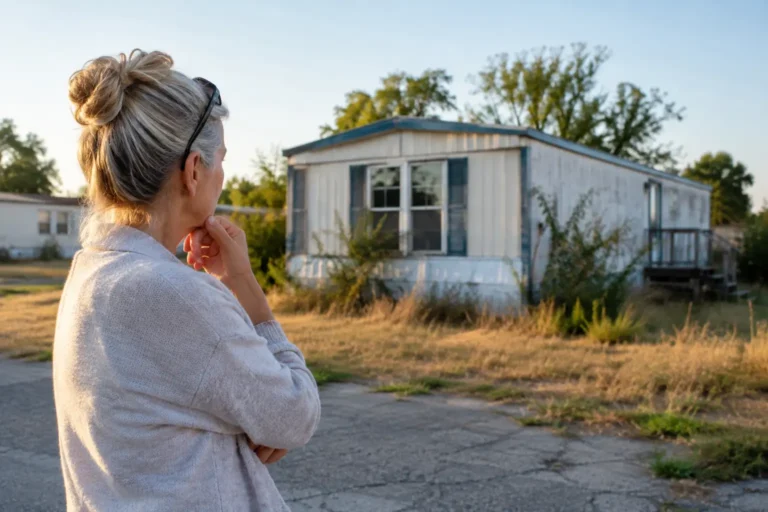


A mobile home can be sold quickly, but an unpaid lot balance can stop the deal cold. That is why lot rent responsibility needs to be addressed before you promise a buyer a closing date, hand over keys, or move out of the home.
For owners in Greensboro, Winston-Salem, High Point, and surrounding Central North Carolina communities, the answer is usually straightforward: the person named on the current lot lease remains responsible for rent until the park approves a new resident, the lease ends, or the home is removed from the lot. But every community has its own lease terms, approval process, and transfer rules. Assuming the buyer will simply take over can create expensive delays.
What Lot Rent Responsibility Usually Means
Lot rent is the monthly payment for the land beneath a mobile or manufactured home in a community. It may also cover items such as water, sewer, trash, common-area maintenance, or other community charges. The home itself may be owned free and clear, financed, inherited, damaged, or ready to sell. None of that automatically ends the obligation to pay for the lot.
If your name is on the lease, the park generally looks to you for payment. That remains true while the home is listed, while a buyer is being screened, and often while the home is waiting to be moved. A buyer’s verbal promise to pay next month is not the same as a completed lease transfer approved by the park.
This matters most when an owner is behind. A growing balance can lead to late fees, notices to vacate, limits on selling within the community, or a lien-related issue depending on the lease and local circumstances. The home may still have value, but the situation gets harder the longer it sits.
Who Pays Lot Rent During a Mobile Home Sale?
There is no single answer that fits every sale. The written lease, the park’s rules, the purchase agreement, and the timing of park approval all matter. Still, most transactions follow a practical pattern.
The seller normally pays the lot rent through the agreed closing or possession date. If a buyer is approved to stay in the park, the buyer begins paying according to the new lease terms once the community accepts them as a resident. If the buyer intends to move the home, the seller may remain responsible until the home is physically removed and the lot is returned in the condition required by the lease.
A cash buyer may agree to cover arrears or pay rent after closing as part of the deal. That can be a good solution when it is written clearly and confirmed with the community. Do not rely on a handshake, a text message, or an assumption that the park will work it out later.
If the home is staying in the park
Most communities require the incoming buyer to apply and be approved before they can live in the home. The park may review income, rental history, background information, household size, and the condition of the home. Approval can take a few days or longer, especially if paperwork is incomplete.
Until that approval and lease change happen, the seller may still be the responsible resident. If the buyer is denied, the sale may fall apart unless the buyer plans to move the home or another buyer is found. This is one reason mobile home sales in parks need more than a signed bill of sale.
If the home is being moved
Moving a manufactured home is a separate project with its own costs, permits, site preparation, transport scheduling, and utility disconnection. The lot lease may require advance written notice and may set a deadline for removal.
In this situation, ask the community exactly when rent stops. Some parks charge through the end of the month. Others charge until the home is gone, even if the buyer has already paid you. The lease may also require skirting removal, debris cleanup, or repair of lot damage caused during the move.
If the owner has passed away or moved away
Heirs and out-of-state owners often discover unpaid lot rent after the fact. The estate may own the home, but the community still needs to know who has authority to sell it. Before marketing the home, confirm the current balance, whether there are fees, and what documents the park needs from an executor, administrator, or authorized family representative.
Acting early protects the home’s value. A vacant home with accumulating rent and no clear contact person can become a bigger problem fast.
Get the Facts From the Park Before You Sell
Call the park manager before you list the home or accept an offer. You do not need to argue about the balance or explain every personal detail. You need clear information that lets you make a decision.
Ask for the current lot rent balance in writing, including late charges, utility charges, legal fees, and any other amounts claimed due. Ask whether the park permits an in-place sale, what the buyer approval process requires, and whether the home must meet any repair or appearance standards before a new resident can be approved.
Also ask what happens if the buyer wants to move the home. Get the notice requirement, removal deadline, moving rules, and any lot restoration requirements. These details affect the real cost of selling and should be part of your price and timeline.
A park manager cannot always give legal advice, and neither can a buyer. If the balance is disputed or you have received a formal notice, review your lease and consider speaking with a North Carolina attorney or qualified housing adviser. The goal is not to make the process more complicated. It is to avoid signing a deal without knowing what you still owe.
Put the Rent Plan in Writing
A good mobile home purchase agreement should make the lot-rent arrangement plain. It should state the current balance, who pays it, the date responsibility shifts, and what happens if the park does not approve the buyer.
It should also address possession. A buyer may own the home after closing, but if the park has not approved occupancy, they may not be allowed to live there. Likewise, a seller should not assume they are released from the lease just because money changed hands.
If you are selling to a direct cash buyer, ask direct questions: Will you handle the park communication? Are you buying the home to keep it in place or move it? Will you pay any agreed lot arrears at closing? What happens if the park requires repairs or denies the application? A serious buyer should be able to explain the plan without pressure or vague promises.
When You Are Behind on Lot Rent
Being behind does not automatically mean you cannot sell. It does mean you need to move with purpose. Waiting for the balance to grow while hoping for a retail buyer can leave you with fewer options.
Start by finding out the exact payoff amount and the status of any notice from the community. Then decide whether the best path is an approved in-park buyer, a buyer who can move the home, or a direct sale that accounts for the balance. The right option depends on the home’s condition, age, title status, park rules, and how much time you have.
A home in good shape in a community with reasonable approval rules may attract an in-place buyer. A home with major repair needs, title issues, or a strict park may be better suited for a buyer experienced with mobile home logistics. The highest advertised price is not always the best deal if it requires months of rent, repairs, and uncertainty.
A Quick Lot Rent Responsibility Checklist
Before you accept an offer, make sure you can answer these five questions:
- What is the total amount currently due, including fees and utilities?
- Whose name is on the current lot lease?
- Does the park allow the buyer to keep the home on the lot?
- Has the buyer been approved, or is approval still pending?
- On what exact date does your responsibility for lot rent end?
Keep copies of your lease, payment history, park notices, title, and any written agreement with the buyer. Those documents can prevent confusion when a sale is moving fast.
Lot rent is not just another monthly bill during a mobile home sale. It can determine whether a buyer can take possession, whether a park will approve the transfer, and how much cash you actually walk away with. If the balance is growing or the park situation feels unclear, get the facts in writing and choose a buyer who understands what has to happen next. A clear plan now can help you sell, close, and move on without leaving an open-ended obligation behind.