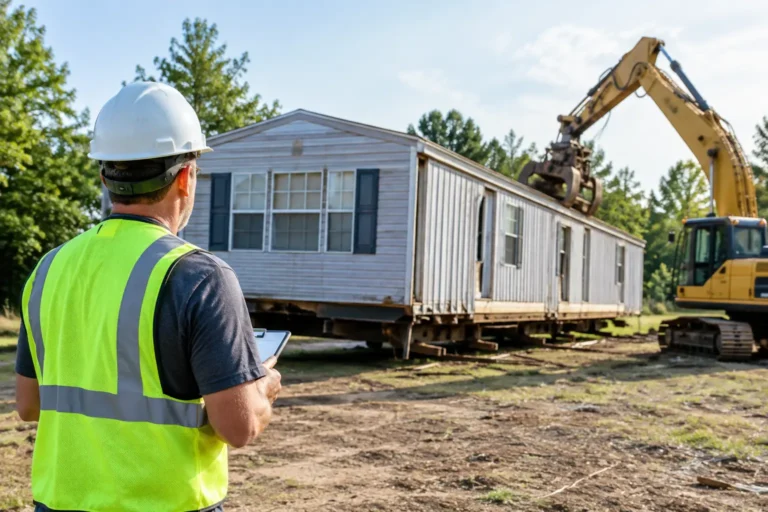


When a lender, finance company, park, or tax office is sending notices, foreclosure sale options can feel limited fast. But a pending foreclosure does not always mean you have to wait for an auction or lose control of the outcome. For many North Carolina mobile home owners, the best next move is to understand the deadline, confirm what is owed, and choose the path that gives you the most certainty.
A manufactured home sale can be more complicated than selling a site-built house. The home may have a separate title, a loan balance, unpaid lot rent, park approval rules, back taxes, or a need to move the home. The sooner you deal with those details, the more options you usually have.
Foreclosure Sale Options Before an Auction
The right choice depends on your deadline, the amount you owe, the home’s condition, and whether it sits in a mobile home park or on private land. There is no one answer that fits every situation, but waiting is almost never the option that protects you best.
Bring the Account Current
If you can catch up on missed payments, the lender may allow you to reinstate the loan. This generally means paying the overdue amount, late fees, and any charges that have built up. Ask for the exact reinstatement amount in writing and ask how long that figure is valid.
This can make sense if your financial setback was temporary and you can comfortably afford the regular payment going forward. It may not make sense if catching up would drain your savings or if the payment is still more than your budget can handle next month.
Request a Payment Plan or Loan Relief
Some lenders will consider a repayment plan, temporary forbearance, loan modification, or other hardship arrangement. These options can provide breathing room, but read the terms carefully. A lower payment now may mean more payments later, a longer loan term, or a larger amount due after the temporary plan ends.
Get every agreement in writing. Do not assume a phone conversation stops the foreclosure process. Keep records of who you spoke with, when you called, and what was promised.
Sell the Home Before the Sale Date
Selling before foreclosure is often the cleanest way to take back control. If the sale price covers the payoff, closing costs, taxes, and any park balance, you can pay off the debt and move on without an auction on your record.
A traditional listing may bring a higher price in some cases, especially when the home is newer, in good condition, and there is enough time to market it. The trade-off is time. You may need to clean, make repairs, allow showings, work through buyer financing, and wait for a buyer who is approved by the park.
If the deadline is close, a direct cash sale can be a more practical route. A local buyer can evaluate the home as-is, explain the offer, and work toward a closing without requiring repairs, cleaning, listings, or open houses. The offer may be lower than a retail asking price, but the value is speed, certainty, and less risk of losing the home at auction.
Consider a Short Sale When You Owe More Than the Home Is Worth
If the home will not sell for enough to pay the full loan balance, ask the lender whether it will consider a short sale. In a short sale, the lender agrees to accept less than the total amount owed so the home can be sold.
Approval is not automatic. The lender will usually want financial information, a purchase offer, and details about the home’s value. Start early, because short-sale approval can take time. Also ask whether the lender will pursue you for any remaining balance after the sale. That answer matters.
Voluntary Surrender Is Usually a Last Resort
Turning the home back over to the lender may stop the day-to-day burden of trying to sell, but it does not always erase what you owe. The lender may sell the home for less than the loan balance and seek a deficiency balance, depending on the loan documents and applicable law.
Before signing anything, understand whether the agreement fully releases you from the debt. If you are uncertain about your rights or a deficiency claim, speak with a North Carolina attorney who handles consumer debt or foreclosure matters.
Mobile Home Foreclosure Sale Options Have Extra Moving Parts
A mobile home is often titled like a vehicle, even if it has been in one location for years. That changes the paperwork and can affect who has the right to sell it. If the home is permanently attached to land you own, the situation can be different because the land and home may be handled together as real property.
Start by finding out exactly what is being foreclosed on. Is it the manufactured home loan? The land mortgage? A tax lien? Are you behind on lot rent with the mobile home community? These are different problems with different deadlines and solutions.
If the home is in a park, contact the park manager early. Ask whether a buyer must be approved to stay in the community, whether lot rent must be current before transfer, and whether the home can be moved. A buyer may be ready to purchase, but a park rule or unpaid lot balance can delay the closing if nobody addresses it upfront.
Title problems can also slow a sale. Common issues include a missing title, a title still in a deceased owner’s name, an unreleased lien, or multiple owners who must sign. These issues do not always prevent a sale, but they need attention immediately. Do not hand over the home or sign away ownership until you understand the paperwork and payment terms.
What to Do This Week if Foreclosure Is Pending
You do not need every answer before taking the first step. You do need the key facts. Gather your most recent notice, loan statement, title or registration paperwork, park documents if applicable, and any information about taxes or liens.
Then focus on four practical actions:
- Call the lender or servicer and ask for the payoff amount, reinstatement amount, sale date, and available hardship options.
- Confirm whether you own only the home or the home and land together, and identify any unpaid lot rent, taxes, or liens.
- Get a realistic estimate of what the home can sell for in its current condition, not just what similar homes are listed for.
- Compare the time required for a retail sale against a direct cash offer and the deadline in your foreclosure notice.
A fair comparison is about more than price. A higher asking price is not helpful if repairs, buyer financing, park approval, or a slow closing cause you to miss the deadline. On the other hand, if you have time and the home is market-ready, marketing it may be worth considering.
How a Fast Cash Sale Can Help
For owners facing a tight deadline, a direct sale removes several common roadblocks. There is no need to wait for a financed buyer, hire a real estate agent, schedule repeated showings, or spend money fixing storm damage, soft floors, old plumbing, or cosmetic wear.
At Triad Mobile Homes LLC, the process is straightforward: tell us about the home, review a no-obligation cash offer, and choose a closing plan that fits the deadline. We buy homes in a range of conditions and can help work through the manufactured-home details that often hold up a sale, including title questions, park coordination, and buyer logistics.
A cash sale will not solve every loan or legal issue automatically. If the payoff is higher than the offer, you may still need lender approval or a plan for the difference. But getting a real offer early gives you a number to work with instead of guessing while time runs out.
Do Not Let the Auction Make the Decision for You
An auction is not usually the best place to discover what your home is worth. Once the foreclosure sale happens, you may lose the ability to negotiate, control the timing, or recover any value you could have preserved through a pre-foreclosure sale.
Deadlines in foreclosure notices matter, and the rules can differ depending on the type of loan, whether land is involved, and the party pursuing the debt. If you received legal papers, a notice of hearing, or a sale date, review them right away and get qualified legal advice when needed.
The most useful next step is a simple one: get clear on your payoff and deadline, then get a realistic offer for the home as it stands. A decision made early gives you options. A decision made after the sale date usually does not.