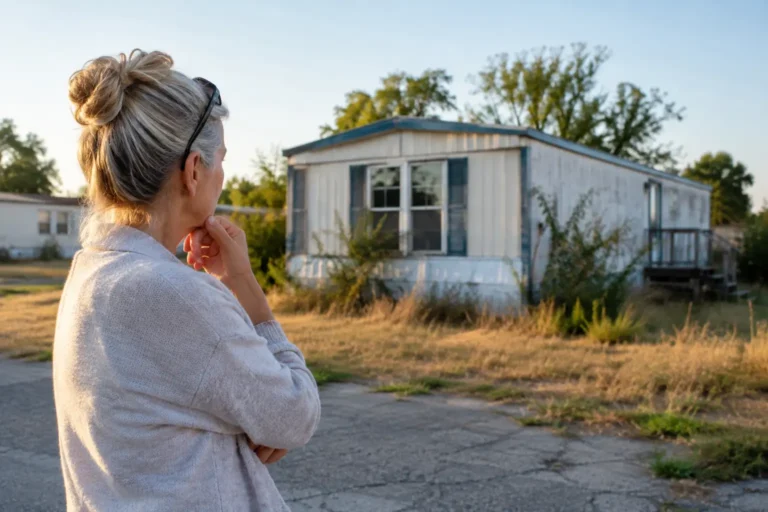

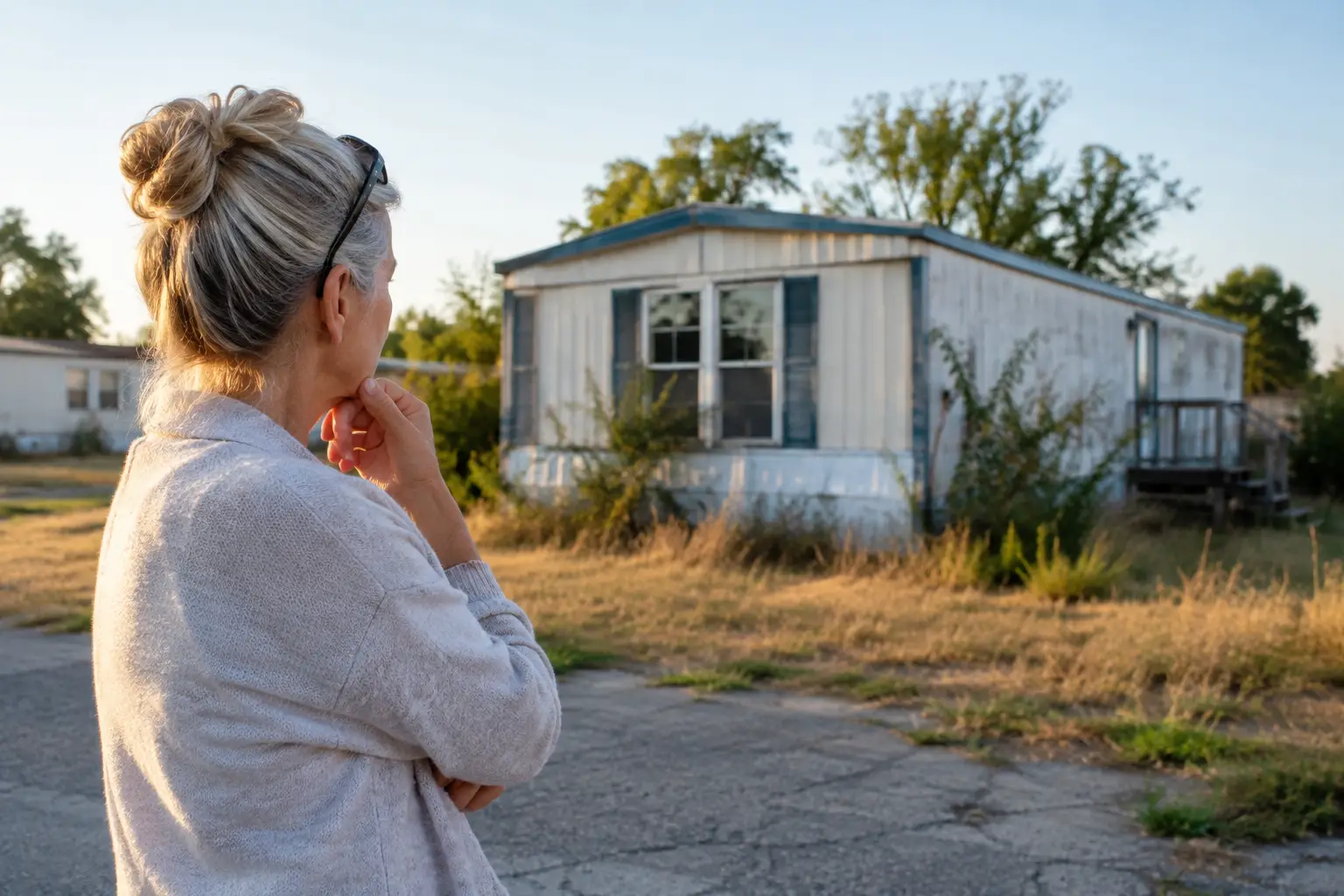
A mobile home can look like a problem you can simply leave behind, especially when the lot rent is late, repairs are piling up, or you have already moved out. But mobile home abandonment rarely makes the problem disappear. It can create more pressure through unpaid lot rent, title questions, lender issues, park rules, and a home that continues to lose value while it sits vacant.
For owners across Greensboro, Winston-Salem, High Point, and surrounding Central North Carolina communities, the better move is usually to deal with the home before the situation gets worse. You may not get top dollar in a distressed sale, but a clear plan can help you avoid ongoing costs and move on with far less uncertainty.
What Counts as Mobile Home Abandonment?
Mobile home abandonment generally means an owner has left the home behind without maintaining it, paying required costs, or completing a legal transfer or sale. It is common after a job relocation, eviction notice, divorce, inheritance, repossession threat, or unexpected repair bill.
The key point is simple: moving out is not the same as giving up ownership. If your name is still on the title, loan, lease, or park paperwork, you may still have responsibilities. The exact details depend on where the home is located, whether you own the land, whether the home is financed, and the terms of your mobile home park agreement.
A vacant home can quickly attract break-ins, water damage, vandalism, and code concerns. In a park, unpaid lot rent may keep adding up each month. On private land, the home may still create tax, insurance, or property-maintenance issues. Waiting usually narrows your options rather than improving them.
Why Walking Away Can Become Expensive
It is understandable to feel stuck when a mobile home needs more work than you can afford. Maybe the floor is soft, the roof leaks, the HVAC has failed, or the home has been damaged by tenants. But leaving it in place without a plan can create costs that follow you.
Lot rent does not automatically stop
If the home sits in a mobile home community, the park may continue charging lot rent until the home is sold, moved, removed, or handled under the community’s process. Some parks also have rules about vacant homes, approval of buyers, age limits, exterior condition, and how long a home may remain unoccupied.
Park managers have their own policies, and those policies matter. Before making assumptions, review your lease or community agreement and speak directly with management about the home’s status. Get important information in writing when possible.
The title may still be in your name
A mobile home title is a major part of the transaction. If you leave the home without transferring title, the next person cannot simply take ownership because they moved in or hauled it away. Title mistakes can slow a sale, complicate a park move, and cause trouble later if ownership is disputed.
If you cannot locate the title, that does not always stop you from selling. It does mean you should address the issue early. A replacement title or other documentation may be needed, depending on the home and its records.
A loan or lien can remain your responsibility
If there is a loan against the mobile home, abandoning the property does not erase the debt. The lender may pursue repossession, and a repossession can still leave you responsible for a remaining balance in some situations. A tax lien, judgment, or other claim can also affect what it takes to transfer the home.
This is where a fast conversation can be valuable. You need to know what is owed, what can be paid at closing, and whether selling now is better than allowing the matter to drag on.
Vacant homes deteriorate fast
An occupied home has someone noticing a drip, a broken window, or a soft spot in the floor. A vacant home often does not. One small roof leak can become mold, damaged insulation, ruined flooring, and structural repairs after a few seasons. Winter weather, storms, and a disconnected power source can make the condition worse.
The longer a home sits, the harder it can be to sell to a retail buyer. That does not mean it has no value. It means you need a realistic sale path that accounts for condition, location, park restrictions, and whether the home can stay where it is.
What to Do Before You Leave a Mobile Home
If you are thinking about leaving a mobile home, take a few practical steps first. You do not need to renovate the property or spend months trying to market it. You do need clear information.
Start by gathering what you have: the title, VIN or serial number, loan payoff information, park lease, recent lot rent statement, tax information, and any paperwork related to the land. If you inherited the home, collect probate or estate documents as well. Missing documents are common, so do not let that stop you from asking for help.
Next, contact the park manager if the home is in a community. Ask whether the home can remain in the park, whether a buyer must be approved, and whether there are outstanding fees or violations. If the home must be moved, find out what requirements apply. Moving a manufactured home is a specialized job, and transport costs can change the value of your options.
Then, get an honest assessment of the home’s condition. You do not need a perfect inspection report. Basic facts are enough: the year, size, number of sections, condition of the roof and floors, whether utilities work, and whether there is visible damage. Clear photos help too.
Finally, choose a path before the home becomes an emergency. Depending on your situation, that could mean selling as-is, finding a park-approved buyer, moving the home, working with the lender, or consulting an attorney if there is a serious title, estate, or dispute issue.
Selling As-Is May Be the Cleanest Option
Owners often assume they need to clean, repair, and update a mobile home before anyone will buy it. That is not always true. In many distressed situations, repairs are simply not worth the money or time, especially when lot rent is continuing to accrue.
An as-is sale is often a better fit when the home has damage, needs major cleaning, has been vacant, or must be sold quickly because of relocation, divorce, inheritance, or financial pressure. The trade-off is straightforward: an as-is buyer will price the cost and risk of repairs into the offer. In return, you may avoid paying for renovations, realtor commissions, listing fees, repeated showings, and months of uncertainty.
For some sellers, a traditional listing can still make sense. If the home is in good shape, the title is clear, the park allows sales, and you have time to wait for the right buyer, marketing it broadly may bring a higher price. But when the home is vacant, damaged, or tied to urgent lot rent or paperwork problems, speed and certainty can be worth more than chasing a number that may never materialize.
A Simple Way to Get Unstuck
The first step is not signing anything. It is getting clear on your options. Tell a mobile home specialist the basic facts about the home, where it sits, its condition, and what problems are attached to it. A knowledgeable local buyer can often identify issues that general real estate buyers miss, including park approval rules, title transfer needs, moving questions, and how to handle a home that cannot be conventionally financed.
At Triad Mobile Homes LLC, owners can request a no-obligation cash offer for homes in Central North Carolina, including homes in poor condition. The goal is to give you a direct answer quickly, not pressure you into a decision. If a sale works, the process can move forward without repairs, cleanup, commissions, or the burden of finding and coordinating buyers yourself.
Mobile home abandonment is usually a sign that the situation feels too heavy to manage alone. Before you leave the keys behind, get the facts, ask what can be done, and give yourself a real path to close the chapter.