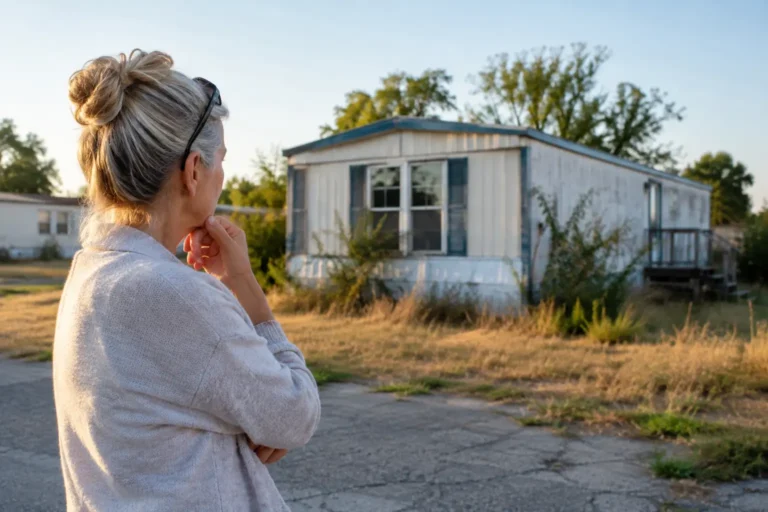


If you need to move a mobile home fast, the best ways to sell mobile home depend on one thing first – how much time, risk, and effort you can afford. Some sellers want the highest possible price and can wait. Others need certainty now because lot rent is due, the home needs repairs, or they are dealing with divorce, inheritance, repossession, or a vacant property they do not want to keep carrying.
That is where many sellers get stuck. A mobile home sale is not the same as selling a standard site-built house. Titles matter. Park approval can matter. Moving the home can change the buyer pool overnight. And if the home needs work, many retail buyers disappear fast. The right path is the one that fits your timeline, the condition of the home, and how much hassle you are willing to take on.
The best ways to sell mobile home in North Carolina
For most owners, there are really three practical options. You can sell it yourself, list it with help and try to find a retail buyer, or sell directly to a cash mobile home buyer. None of these is automatically best in every case. The smart move is matching the method to the problem you are trying to solve.
If your home is clean, updated, and in a park that allows easy buyer approval, selling it yourself can work. If you have time to answer messages, post photos, meet people, negotiate, and manage paperwork, you may get a higher price. But that higher price is not guaranteed, and the process usually takes more time than sellers expect.
If you want broader exposure but do not want to do all the legwork yourself, getting help marketing the home can make sense. This can be useful when the home has value but needs the right buyer, especially in active local markets where mobile home community networks and local buyer channels are strong.
If speed matters most, a direct cash sale is usually the cleanest option. That is often the best fit when the home needs repairs, the title is messy, lot rent is behind, or you simply do not want strangers walking through the home while you wait on financing that may never close.
Selling it yourself can bring more money, but more work
A for-sale-by-owner approach appeals to many sellers because it looks simple on paper. Take photos, post the home, answer inquiries, and close the deal. If the home shows well and the paperwork is clean, you can sometimes do well this way.
The problem is that mobile home buyers often need more hand-holding than traditional house buyers. They may not understand title transfer requirements. They may need park approval. They may ask whether the home can stay where it is, whether it has to be moved, or whether financing is available. If you do not know those answers up front, deals can fall apart late.
This route also gets harder when the home needs work. Cosmetic issues reduce interest. Soft floors, roof leaks, HVAC problems, or missing title documents reduce it even more. A lot of sellers start with the do-it-yourself route, then switch after weeks of low offers, no-shows, and buyers who are not actually ready.
When FSBO makes sense
Selling it yourself makes the most sense when the home is in decent condition, you are not under pressure, and you are comfortable handling calls, pricing, paperwork, and negotiation. If those pieces are missing, the extra price you hope to get can be eaten up by delay and stress.
Listing and marketing help can widen your buyer pool
Some sellers do not want a lowball offer, but they also do not want to spend every weekend showing the home. In that middle ground, marketing support can help. The goal is to get the home in front of the right local buyers without leaving you to figure everything out alone.
This can work especially well for homes in communities where demand is steady and the home can stay in place. Local knowledge matters here. A buyer who understands mobile homes in Greensboro, Winston-Salem, High Point, and surrounding areas will usually know where to market the home, how to speak to park requirements, and what buyers in that area are actually paying.
Still, this option is not as certain as a direct cash sale. You are still waiting for the right buyer. You may still need to negotiate repairs or price reductions. And if your situation is urgent, even a well-marketed home can take longer than you want.
A direct cash buyer is usually best for difficult situations
When people search for the best ways to sell mobile home, this is often the option they are really looking for. Not because it always brings the absolute highest price, but because it removes the biggest obstacles.
A direct mobile home buyer can usually buy as-is, which means no repairs, no cleaning, no inspections, and no showings. That matters if the home has been vacant, damaged, inherited, or left behind by a tenant. It also matters if you are behind on payments or lot rent and need a fast answer instead of a maybe.
A good cash buyer should also understand the details that slow other buyers down. That includes title issues, permit questions, whether the home needs to be moved, and how park rules affect the sale. In many cases, the real value is not just the cash offer. It is having someone who knows how to get from problem to closing without dragging the process out.
For sellers in Central North Carolina, that local experience can make a real difference. Triad Mobile Homes, for example, works specifically with sellers who need a fair cash offer fast and do not want to deal with repairs, commissions, or drawn-out negotiations.
When a cash sale is the right move
This path usually makes the most sense if you need to sell quickly, the home needs work, the paperwork is incomplete, or you are dealing with a stressful life event. If your goal is to move on with certainty, speed often matters more than squeezing out every last dollar.
Price matters, but realistic pricing matters more
A lot of mobile homes sit because the seller prices based on what they owe or what they wish the home was worth. Buyers do not price that way. They look at age, condition, location, whether the home is in a park or on land, whether it can stay in place, and how much work it needs.
That means the best pricing strategy is honest, not hopeful. A clean, move-in-ready home with clear title and a good location can command stronger offers. A home with water damage, missing skirting, outdated interiors, or transport issues will trade at a discount. Neither outcome is unfair. It is just the market reacting to risk and effort.
If you overprice early, you usually lose time and attract weak buyers. If you price realistically from the start, you are more likely to get serious interest and close without repeated reductions.
Before you sell, handle the issues that kill deals
Many sellers think condition is the main reason a sale falls through. Sometimes it is. But paperwork and logistics are often just as important.
Start by finding out whether you have a clear title and whose name is on it. If the home was inherited, jointly owned, or part of a divorce situation, resolve that as early as possible. If the home is in a park, ask management what is required for a buyer to be approved and whether the home can remain on the lot after the sale.
You should also confirm whether taxes, lot rent, or liens are outstanding. None of these problems automatically means you cannot sell. They just need to be addressed by someone who knows how mobile home transactions work. The earlier you identify them, the more options you have.
So what is the best option for most sellers?
If your home is updated, your paperwork is clean, and time is on your side, selling it yourself or with marketing help may bring more money. If the home has issues, your timeline is short, or you want a simple process with fewer surprises, selling directly for cash is usually the better choice.
The best sale is not the one that looks best online. It is the one that actually closes, on terms you can live with, without putting you through weeks of dead ends. For many mobile home owners, especially those dealing with pressure or property problems, certainty is worth more than chasing a perfect number that may never materialize.
If you are weighing your next step, start with the real question: do you want to maximize price, or minimize hassle and time? Once you answer that honestly, the right path gets much clearer.