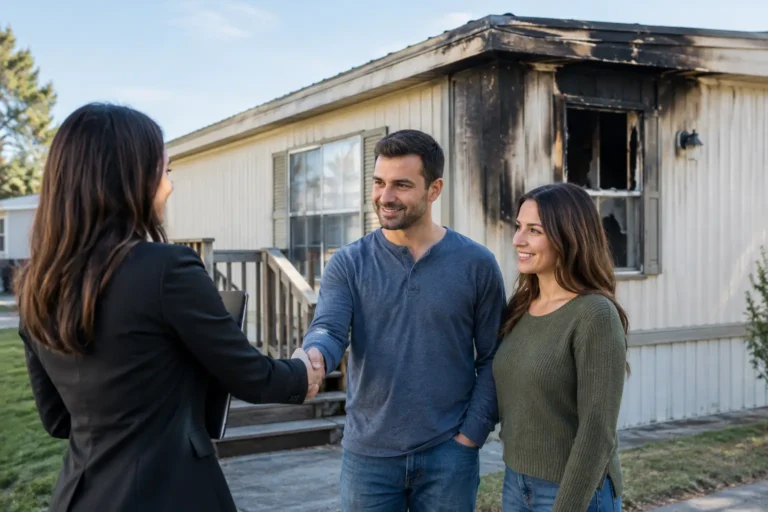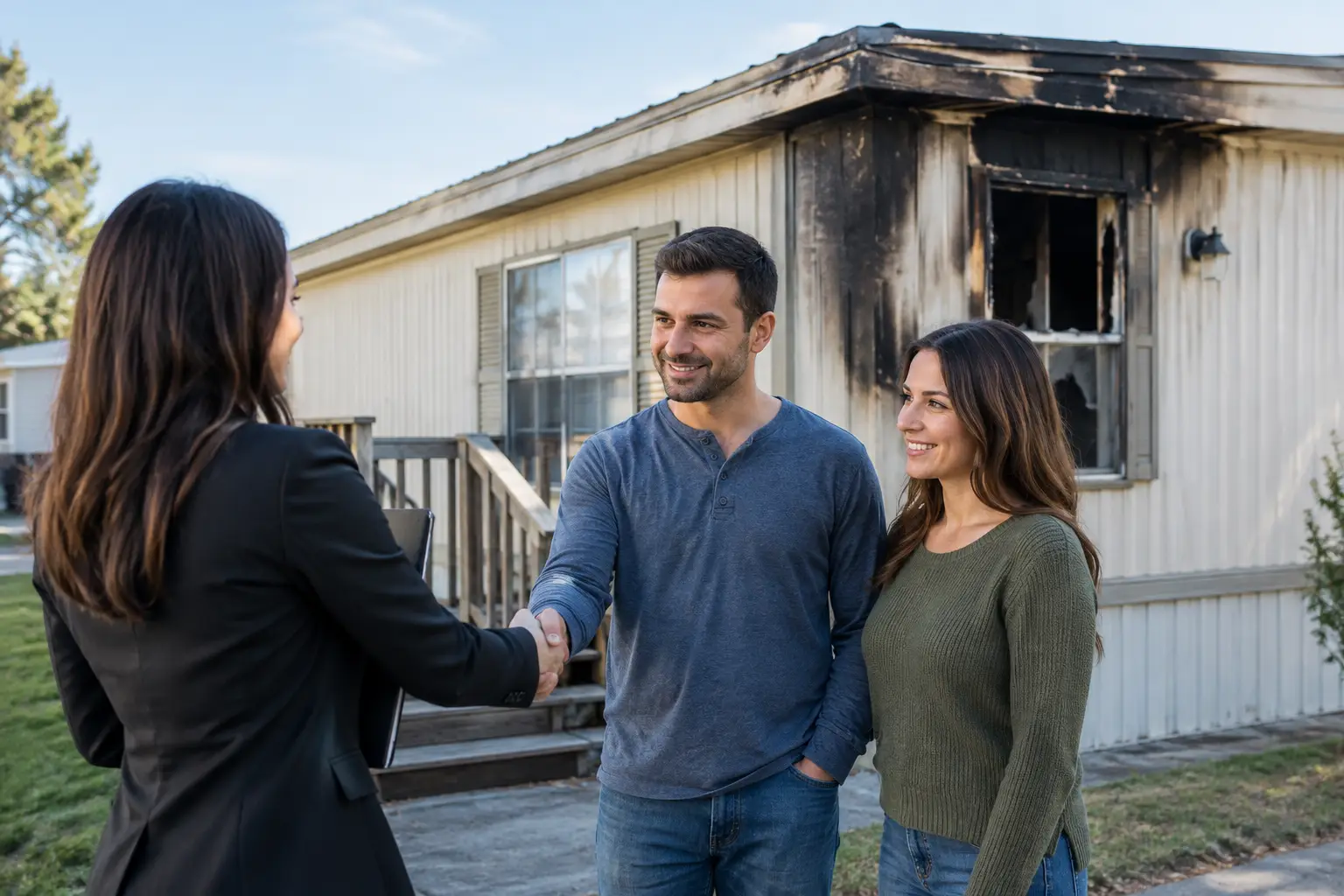
A mobile home can look mostly intact after a fire and still carry a problem that stops a traditional buyer cold. Smoke odor, soot, damaged insulation, melted wiring, and questions about safety can turn one incident into months of repair estimates and failed showings. If you need to sell a mobile home with fire smoke damage, you still have options – and you do not have to rebuild it just to move on.
For many owners in Central North Carolina, the right next step is not a full restoration. It is finding a buyer who understands manufactured homes, gives a clear as-is offer, and can handle the details without adding more pressure to an already difficult situation.
First, Make Sure the Home Is Safe to Enter
Before taking photos, removing belongings, or letting anyone inspect the home, make safety the priority. Fire damage is not always obvious from the outside. Smoke can travel through wall cavities and ductwork, while heat can weaken flooring, ceilings, plumbing connections, and electrical systems.
If the home has not been cleared for entry, arrange for an appropriate professional to assess it. Avoid turning on utilities or attempting to clean electrical panels, outlets, or appliances yourself. If the home is in a mobile home park, notify park management promptly. They may have rules about inspections, cleanup, occupancy, insurance documentation, or removing a damaged home from the lot.
You do not need a complete repair plan before you ask about selling. You do need an honest picture of what happened and whether the home can be safely viewed.
What Fire Smoke Damage Does to a Mobile Home’s Value
The value impact depends on the source and extent of the damage. A small kitchen fire that was contained quickly is very different from a fire that affected the roof, structure, or electrical system. Smoke-only damage may be repairable, but it can still lower the price because buyers know odor removal is not always simple.
Manufactured homes have materials and construction details that can make smoke remediation more involved. Insulation can hold odor. Vinyl wall panels, particleboard subfloors, HVAC ducts, and cabinets may need replacement rather than surface cleaning. If water was used to put out the fire, mold and soft flooring can become another issue.
A retail buyer often sees these unknowns and walks away. A direct cash buyer looks at the home differently. They estimate the work, account for the risk, and make an offer based on the home’s condition, location, title status, park requirements, and resale or moving potential. The offer may not match the price of a clean, move-in-ready home, but it can provide certainty without requiring you to spend money you may not have.
Should You Repair It Before You Sell?
It depends on the damage, your budget, and how quickly you need to sell. Repairs can make sense when damage is limited, you have reliable contractors, and the expected increase in sale price clearly exceeds the cost and time involved. But after a fire, estimates often grow once walls, floors, or utility systems are opened up.
Before committing to restoration, consider more than the contractor’s quote. Factor in temporary housing, insurance deductibles, permit requirements, lot rent, carrying costs, cleanup, and the chance that a buyer or lender will still require more work. Traditional buyers may also struggle to finance a home with a fire history or unresolved repairs.
Selling as-is is often the practical choice when:
- The home has heavy smoke odor, soot, water damage, or visible fire damage.
- Electrical, plumbing, flooring, roofing, or structural repairs are uncertain.
- You are behind on lot rent, facing a deadline, relocating, or managing an inherited home.
- You do not want to coordinate contractors, inspections, showings, and buyers.
- The home is in a park with rules that limit who can buy, stay, or move the home.
An as-is sale does not mean hiding the damage. It means being upfront about the condition and selling without making repairs first.
Be Straight About the Damage
Clear disclosure protects you and helps serious buyers make a real decision faster. Explain where the fire started if known, when it happened, whether the fire department responded, and which areas were affected. Let buyers know if there was water damage, if utilities were shut off, and whether any cleanup or remediation has already been completed.
Keep useful records together, including insurance claim information, photos from before and after the fire, repair invoices, inspection reports, and any correspondence from park management. You may not have every document, especially if the event happened years ago, but provide what you do have. A direct buyer can evaluate the home more accurately when the facts are on the table.
Do not cover soot with paint, use heavy fragrances to mask odor, or make cosmetic fixes that suggest the damage was never there. Those shortcuts can create distrust and delay a sale when an inspection reveals the real condition.
Mobile Home Parks Add Another Layer
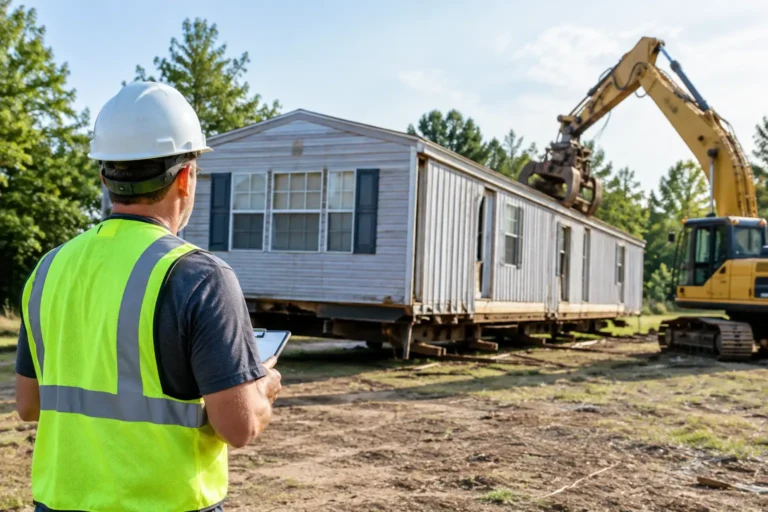
Selling a damaged manufactured home in a park involves more than agreeing on a price. The buyer may need park approval to stay in the home, and the park may have standards for condition, age, repairs, insurance, or background screening. In some cases, the home may need to be moved if it cannot remain in the community.
Ask management for the current rules early. Find out whether lot rent is current, whether there are violation notices, and whether the park requires a buyer application or proof of insurance. If the home must be moved, the buyer will need to evaluate whether it can be transported safely and legally after the fire.
That is one reason a mobile home specialist matters. A buyer who understands park policies, title transfers, transport questions, and local demand can spot issues before they become last-minute surprises.
Have the Title and Basic Details Ready
A fire-damaged home can still be sold, but title problems can slow the process. Locate the title if possible and check whether there is a lienholder listed. If you are still making payments, the lender may need to be paid at closing before the title can be transferred.
If the home was inherited, jointly owned, or titled in the name of someone who has passed away, gather the available estate paperwork. Do not assume the property deed controls ownership of the mobile home. In North Carolina, a manufactured home may have separate title requirements, particularly when it is located in a park.
Also be ready to share the year, make, model, size, VIN or serial number, current lot rent, and whether the home is on private land or rented land. These details allow a buyer to give a more accurate offer without wasting your time.
A Simple Way to Sell a Mobile Home With Fire Smoke Damage
The fastest route is usually simple: describe the home honestly, share photos if it is safe to do so, and request an as-is cash offer. Include the location, the type of fire or smoke damage, title status, park information, and any urgent deadline you are facing.
With Triad Mobile Homes LLC, owners can tell us about the home, schedule a review, and consider a fair cash offer with no pressure or obligation. There is no need to clean, repair, list the home, pay a commission, or invite strangers through repeated showings. If the offer works for your situation, the closing process can move forward on a timeline that makes sense for you.
A fire does not have to leave you stuck with an unwanted mobile home and a growing list of bills. Get the facts together, be honest about the condition, and choose the selling path that lets you move forward without taking on repairs you do not need.