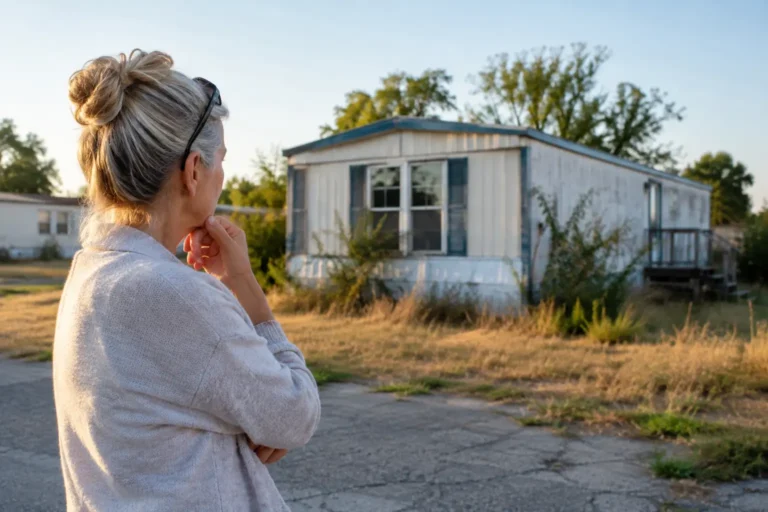


A mobile home can be hard to sell when time is short. Maybe lot rent is due, the home needs work, you inherited it from out of state, or a move is already planned. In a cash buyer versus realtor decision, the best option is not always the one with the highest possible asking price. It is the one that solves your real problem with terms you can live with.
For manufactured and mobile home owners in Central North Carolina, the choice often comes down to certainty versus exposure. A realtor may help you market the home to more potential buyers. A direct cash buyer can make a straightforward offer and remove much of the waiting, repair work, and back-and-forth. Here is what that means in real life.
Cash Buyer Versus Realtor: The Main Difference
A realtor lists your home, markets it, coordinates showings, and works to find a buyer. You usually agree on an asking price, wait for interest, negotiate offers, and move through inspections, financing, park approval, title work, and closing. This route can make sense when the home is in good shape, you have time to wait, and your goal is to pursue the strongest market price.
A cash buyer buys the mobile home directly. Rather than listing it publicly and waiting for a financed buyer, you receive an offer based on the home’s condition, location, age, title status, park rules, and the work required after purchase. If the offer works for you, the sale can move forward without open houses, repeated showings, or a buyer’s loan approval hanging over the deal.
Neither path is automatically right for every seller. The practical question is this: How much time, money, and uncertainty can you afford to put into the sale?
What Selling With a Realtor Can Look Like
A realtor can be helpful when a mobile home is clean, well maintained, properly titled, and located in a community with an active resale market. An agent may price the home, create a listing, answer inquiries, schedule viewings, and negotiate with buyers. If several qualified buyers are interested, that exposure may support a higher final sales price.
But manufactured home sales have details that traditional real estate listings do not always solve quickly. A buyer may need park approval before taking over the lot. The community may have age, credit, occupancy, pet, or home-condition requirements. If the home must be moved, the buyer has to arrange transport, permits, setup, and a destination. A missing title, lien, estate issue, or VIN discrepancy can stop a transaction that looked ready to close.
There are also costs to consider. Commission is only one part of the picture. Sellers may spend money on cleaning, repairs, photos, lot rent while the home sits vacant, utilities, insurance, title corrections, and buyer-requested fixes. If a buyer uses financing, the deal can take longer and may fall apart if the lender, park, or appraisal process does not cooperate.
That does not mean listing is a bad choice. It means the expected sales price should be compared with the total cost and effort of getting there. A higher list price is not the same as more money in your pocket or a faster solution.
When a Cash Buyer Is Often the Better Fit
A direct cash sale is built for owners who need a clear path forward, not months of uncertainty. You do not have to prepare the home for a retail listing or wait for the right person to come along. The buyer reviews the situation, makes an offer, and explains the next steps.
This route is especially useful when the home is older, damaged, vacant, or simply not worth putting more money into. It can also make sense when you are behind on lot rent, facing a deadline, managing a divorce, dealing with an inherited home, or trying to avoid repossession. In those situations, speed and certainty can matter more than testing the market.
A reputable local buyer should be willing to discuss the condition honestly and make terms easy to understand. At Triad Mobile Homes LLC, the focus is on helping sellers handle the hard parts of a manufactured home sale, including title questions, park-related issues, buyer sourcing when needed, and moving logistics. You should never feel pressured to accept an offer. A fair cash offer gives you an option, not an obligation.
You Can Usually Sell As-Is
With a direct buyer, you generally do not need to repaint, replace flooring, repair soft spots, haul away belongings, or make the home look perfect for showings. The buyer factors the work into the offer and takes on the project after closing.
That matters because small repairs can turn into expensive surprises in an older mobile home. A seller may start with a leaking faucet and end up facing subfloor damage, plumbing issues, or a roof problem. If you need to sell quickly, putting thousands of dollars into a home you are leaving may not make financial sense.
A Cash Offer Removes Financing Risk
A retail buyer can be enthusiastic one week and unable to close the next. Their financing may be denied, their park application may not be approved, or they may ask for a lower price after an inspection. A cash buyer does not need to wait for a mortgage lender to approve the purchase.
Cash does not eliminate every paperwork requirement. Title transfers and community rules still matter. But it removes one of the most common reasons a sale stalls or fails.
Compare the Net Result, Not Just the Offer Price
A realtor may recommend listing a home for more than a cash buyer offers. That can be reasonable if the home has broad appeal and you can wait for the right buyer. Before deciding, write down what each option will likely require from you.
With a listing, account for commission, repair costs, cleanup, monthly lot rent, utilities, insurance, time off work for showings, and the possibility of price reductions. Consider how long you can carry those costs if the home does not sell right away. If it is on private land, you may also need to separate the value of the land transaction from the manufactured home itself.
With a cash offer, the number may be lower because the buyer is taking on repairs, resale risk, holding costs, and logistics. In return, you may avoid many out-of-pocket expenses and get a defined closing plan. For an owner under pressure, the net result can be better than it first appears.
The right comparison is not $35,000 listed versus $25,000 cash. It is what you are likely to receive after costs, how long it will take, and what happens if the retail deal never closes.
Questions to Ask Before You Choose
Ask a realtor whether they regularly sell manufactured homes in your area and whether they understand your specific community’s approval rules. Ask how they will market the home, what you will pay if it sells, what repairs they expect, and what happens if a buyer cannot get approved.
Ask a cash buyer how they determine the offer, whether they buy homes in the current condition, how quickly they can close, and who handles the paperwork. Be direct about liens, title problems, lot rent, damage, and park restrictions. The more accurately you describe the situation, the more reliable the offer and timeline will be.
Watch for anyone who will not put terms in writing, cannot explain the process clearly, or pressures you to sign immediately. A legitimate buyer should give you room to review the offer and ask questions.
Choose the Sale That Lets You Move Forward
If your home is in strong condition and you have time to market it, a realtor may be worth considering. If you need to sell fast, avoid repairs and showings, or deal with a complicated mobile home situation, a cash buyer may offer the cleaner path.
Start with the facts of your home and your deadline. A no-obligation cash offer can give you a real number to compare, then you can decide with less guesswork and more control over what happens next.