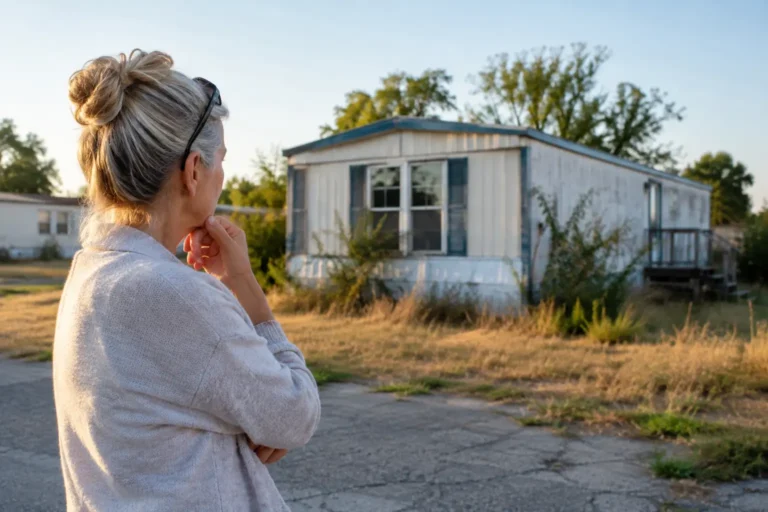

A vacant manufactured home can turn into a problem faster than most owners expect. Once nobody is living in it, you are still dealing with lot rent or taxes, insurance questions, security risks, weather exposure, and the constant chance that small issues become expensive ones. If you are trying to figure out how to sell vacant manufactured home property quickly, the main goal is simple: stop the carrying costs and remove the uncertainty before the home gets harder to sell.
That sounds straightforward, but manufactured homes come with details that regular home sellers do not always face. The title may be missing, the park may have approval rules, the home may need to stay in place or be moved, and buyers often disappear once they realize what is involved. The good news is that a vacant home can still sell fast if you approach it in the right order.
How to sell vacant manufactured home property without wasting time
The biggest mistake sellers make is starting with photos and an asking price before they know whether the home is actually ready to transfer. With a vacant manufactured home, paperwork and placement matter just as much as condition.
Start by confirming who legally owns the home and what documents are available. If you have the title in hand, that helps. If you do not, do not assume the sale is dead. In North Carolina, title issues can often be worked through, but they will slow down a retail sale if you wait until the last minute. If there is a lien, an estate situation, a divorce, or a name mismatch on the title, deal with that first or work with a buyer who knows how to handle it.
Next, figure out where the home sits. A manufactured home in a park is a different sale than one on private land. If it is in a mobile home park, ask management whether the home must stay in the park, whether a buyer needs park approval, and whether there are any back lot rent balances or age and condition restrictions. Some parks are strict. That can limit your buyer pool, but it does not mean you cannot sell.
If the home is on private land, the question becomes whether you are selling only the home or the home with the land. Those are two very different transactions. A buyer for the home only may need to move it, which adds cost and cuts down the number of people who can buy. A home that can stay where it is is usually easier to sell than one that has to be moved.
Price the home for the real market, not the hoped-for market
Vacant homes almost always feel worth more to the owner than they do to the next buyer. That is normal. You remember what you paid, what you fixed, and what the home meant to you. Buyers are looking at age, condition, park rules, transport issues, and how much cash they will need after closing.
If you want speed, price matters more than almost anything else. A home that needs work, has been sitting empty, or has soft spots, roof leaks, missing HVAC, or cosmetic damage is not going to sell like a clean move-in-ready home. The longer it sits vacant, the more cautious buyers become. They assume hidden problems, and many of them are right.
A realistic price usually comes from four things: the age of the home, whether it can remain on site, its current condition, and how clean the title situation is. If any of those are a problem, the price has to reflect it. Trying to squeeze retail money out of a distressed vacant home often costs more in extra months of lot rent, taxes, and stress than sellers realize.
Clean it enough to sell, but do not over-improve it
A lot of owners freeze because they think they need to fully renovate before selling. In most cases, that is not true. If the home is vacant and you want it gone fast, focus on basic presentation and obvious hazards, not expensive upgrades.
Trash removal, a quick sweep-out, cutting overgrown grass, and removing damaged furniture can make a big difference. If there are broken windows, active leaks, or exposed wiring, those are worth addressing if you can do it cheaply. But new flooring throughout, fresh countertops, or a full cosmetic remodel may not come back to you in the sale price.
This is where it depends on your timeline. If you have months, cash on hand, and a home in a strong location, selective repairs may help. If you are behind on lot rent, dealing with an inherited home, or trying to stop ongoing costs, speed usually beats perfection.
Take the right path: list it yourself or sell direct
If you are wondering how to sell vacant manufactured home units fast, there are really two paths. You can try to market it yourself, or you can sell directly to a manufactured home buyer.
Selling it yourself might bring a higher price on paper, but only if the home is in decent shape, the title is ready, the park approves buyers, and you have time to deal with calls, messages, no-shows, and people who do not have cash. That route works best when the home is clean, financeable, and easy to transfer.
A direct sale is usually the better fit when the home has problems or your situation is urgent. That includes homes with damage, older homes in parks, homes with title issues, inherited homes, or properties where you are simply done paying on a place nobody is using. A cash buyer who understands manufactured housing can often handle the hard parts faster than a general buyer can.
That is especially true in Central North Carolina, where park policies, move logistics, and title transfers can make or break a deal. Triad Mobile Homes works with sellers in exactly these situations by making a fair cash offer, handling the process directly, and helping owners move on without repairs, listings, or drawn-out back and forth.
What buyers will want before they commit
Even cash buyers want clarity. The smoother you make the file, the easier it is to get a serious offer.
Have the year, make, model, and serial number ready if possible. Know whether the title is available, whether taxes are current, and whether there is a loan balance. If the home is in a park, know the lot rent amount and park contact information. If the home has damage, be honest about it upfront. Hiding soft floors, roof leaks, mold, or missing systems only delays the sale.
Photos still matter, but for a vacant manufactured home, accurate information matters more. A blurry set of pictures with the right facts can produce a real conversation. Pretty pictures with missing details usually attract time-wasters.
Common problems that slow down a vacant manufactured home sale
The issue is not always the home itself. A lot of delays come from things around the home.
Missing title paperwork is a common one. So are unpaid taxes, past-due lot rent, estate paperwork after a death, and park rules that require buyer approval. Another big one is movement. If the home cannot stay where it is, many retail buyers disappear once they learn what transport, setup, permits, and utility reconnection can cost.
This is why manufactured home sales reward specialist knowledge. A vacant house in a subdivision can usually go on the market with basic prep. A vacant manufactured home often needs a more practical plan. The faster you identify the obstacle, the faster you can choose the right buyer.
When selling fast is the smarter financial move
Some sellers hold out because they do not want to accept less than their ideal number. That makes sense emotionally, but it is not always the best business decision.
If you are paying lot rent every month, carrying insurance, worrying about vandalism, or watching the home deteriorate empty, waiting can be expensive. The same is true if you live out of town and cannot manage the property easily. A slightly lower cash offer today can be better than a higher hoped-for price three or four months from now, especially if no deal actually closes.
The right question is not just, What can I list it for? The right question is, What will I actually walk away with after time, hassle, and carrying costs?
The simplest way to move forward
If your manufactured home is vacant, do not let it sit while you try to build the perfect plan. Gather the ownership information, confirm the title and location details, take clear photos, and decide whether you want top-dollar potential with more effort or a faster, more certain sale.
For a lot of owners, certainty wins. A straightforward cash offer, no repairs, no showings, and a clear closing date can be the difference between dragging the problem out and finally being done with it. If the home is costing you money or peace of mind, the best next step is the one that gets it sold and lets you move on.