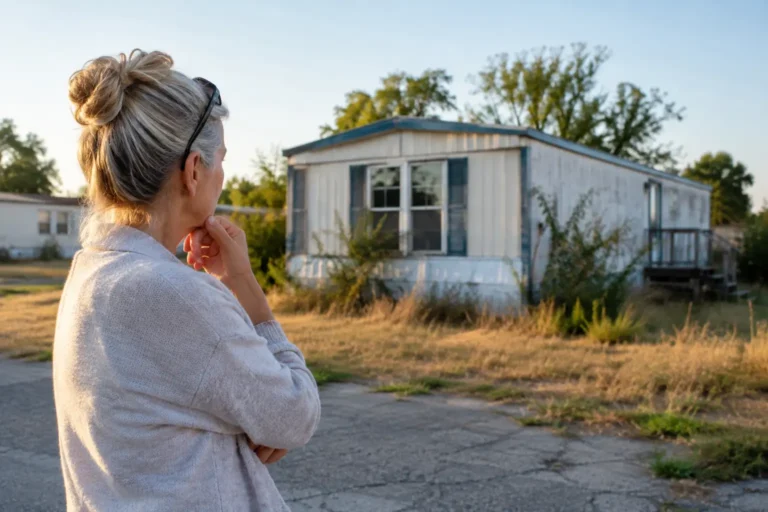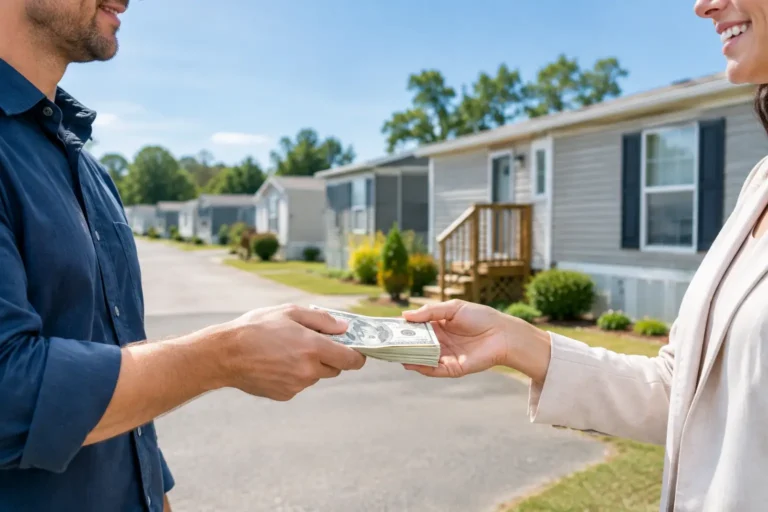


If your mobile home needs work, the title is messy, or the park manager is asking questions you do not have time to sort out, the best mobile home sale alternatives are usually not the ones people assume first. A traditional listing can work in some cases, but for many owners in North Carolina, speed, certainty, and fewer moving parts matter more than holding out for the highest possible price.
That is especially true when you are dealing with back lot rent, inherited property, storm damage, divorce, relocation, or a vacant home that is becoming a problem. In those situations, the real question is not just, “How do I sell?” It is, “Which option gets this handled with the least risk and the fewest surprises?”
What makes a good mobile home sale alternative?
A good option fits your timeline, the home’s condition, and the paperwork involved. Mobile homes and manufactured homes do not always sell like site-built houses. You may have park approval issues, transport questions, title transfer problems, skirting or HVAC damage, or buyers who disappear once they learn the home needs repairs.
That is why the best path depends on what you are trying to avoid. If you want top-dollar and have time, one route makes sense. If you need cash fast and do not want to clean, fix, list, or wait, another route is usually better.
1. Sell directly to a local cash mobile home buyer
For many owners, this is one of the best mobile home sale alternatives because it cuts out most of the friction. You contact a buyer, share the basics about the home, schedule a quick review, and receive an offer. If the numbers work, you close and get paid without listing, showings, agent commissions, or repair demands.
This option is usually the strongest fit when the home is older, damaged, vacant, inherited, or tied up in a stressful situation. It also helps when you are behind on payments, struggling with lot rent, or simply do not want strangers walking through the home.
The trade-off is simple. A direct cash buyer is buying for speed, certainty, and convenience, so the offer may be lower than what you might get if you spent time fixing the home and marketing it yourself. But for many sellers, avoiding months of uncertainty is worth that difference.
2. Ask a mobile home specialist to broker or market it for you
Some sellers are not in a true emergency. They just do not want to handle the selling process themselves. In that case, working with a mobile home specialist who actively markets the home can be a strong middle-ground option.
This is different from handing the deal to a general real estate agent who may not understand park rules, title paperwork, or the buyer pool for manufactured housing. A true mobile home specialist already knows where buyers look and how to present the home to the right audience.
The upside is better exposure without doing all the legwork yourself. The downside is timing. You are still waiting for a buyer, and there is no guarantee on when that buyer will show up or whether financing or park approval will hold together.
3. Sell it yourself to a private buyer
Selling on your own can make sense if the home is in decent condition, your title is clear, and you have the time to answer calls, take photos, show the home, and negotiate. If you know the local market well, this can sometimes produce a better sale price than a quick cash sale.
But this route is more work than most people expect. You have to market the home, sort serious buyers from casual ones, deal with low offers, and figure out what to do when someone says they want the home but still needs park approval, financing, transport, or title help.
This option gets harder fast when the home has damage or legal issues. A private buyer may show strong interest at first, then disappear once they realize the home needs repairs or paperwork cleanup.
4. List with a real estate agent
This can be a good route when the mobile home is on land you own and the property can be sold more like a traditional real estate transaction. In those cases, an agent may help you reach a broader market, especially if the land adds significant value.
Still, this is not always one of the best mobile home sale alternatives for homes in parks or homes with condition problems. Many agents do not specialize in manufactured housing. That matters more than people think. If the agent does not understand title status, park restrictions, or financing limitations, your listing can sit while time and money keep slipping away.
There are also the usual selling costs to consider, including commissions, possible cleanup, repairs, and the stress of showings. If your goal is a fast, low-hassle sale, this route may feel too slow.
5. Offer seller financing
Seller financing can attract buyers who cannot get a traditional loan, which is common in the mobile home market. If your home is in decent shape and you are willing to collect payments over time, this can open up a larger buyer pool.
The problem is risk. You are no longer just selling a home. You are becoming the bank. That means paperwork, payment tracking, default risk, and the possibility of dealing with collections or repossession if the buyer stops paying.
For some owners, that is workable. For others, it is the last thing they want. If you need money now or want a clean break, seller financing usually creates more stress, not less.
6. Donate or dispose of the home
This is not the first option most people want, but it is sometimes realistic. If a home is in very poor condition, unsafe, or too costly to repair or move, selling may not be simple. In those cases, donation, demolition, or disposal can become part of the conversation.
This is more common with older homes that have major structural issues, severe water damage, missing titles, or park-related complications. It is not a profit strategy. It is a damage-control strategy.
Before going this route, it is worth checking whether a local buyer or manufactured home specialist would still purchase the home as-is. Owners are often surprised that a difficult home still has value to the right buyer.
7. Transfer the home to the park or landowner
In some situations, a park owner or landowner may be open to taking the home back or helping facilitate a transfer. This is not available everywhere, and terms vary a lot, but it can be an option if you need out quickly and the home is staying in place.
This tends to come up when the seller is behind on lot rent, moving out on short notice, or dealing with a home that is not practical to relocate. It can solve a problem fast, but make sure you understand exactly what you are signing and whether any remaining balance, fees, or liabilities stay with you.
How to choose the best mobile home sale alternatives for your situation
Start with three questions. How fast do you need to sell? How much work does the home need? And how clean is the paperwork?
If you need to close fast, want to skip repairs, or have a complicated situation, a direct cash sale is usually the clearest answer. If the home is in solid condition and you have time to wait, marketing to private buyers or working with a specialist may bring a stronger price. If the home includes valuable land, a traditional listing may deserve a look.
What hurts sellers most is picking the wrong route for the problem they actually have. People choose the higher-price path, then lose weeks dealing with no-shows, financing issues, park denials, or title confusion. By the time they pivot, the pressure is worse than when they started.
Common situations where selling direct makes the most sense
A direct sale tends to be the best fit when the home has repair issues, when the seller lives out of state, or when there is some urgency hanging over the deal. It also makes sense when the seller simply wants a no-pressure process and a clear answer instead of a drawn-out maybe.
That is why companies like Triad Mobile Homes LLC exist in the first place. Not every mobile home seller needs the same solution, but many do need someone who can handle the marketing, paperwork, logistics, and fast close without turning a stressful situation into a second job.
There is no single best answer for every seller. There is only the option that fits your timing, your home, and how much uncertainty you are willing to carry. If selling has become one more thing you need off your plate, the right alternative is the one that gets you a fair path forward and lets you move on.