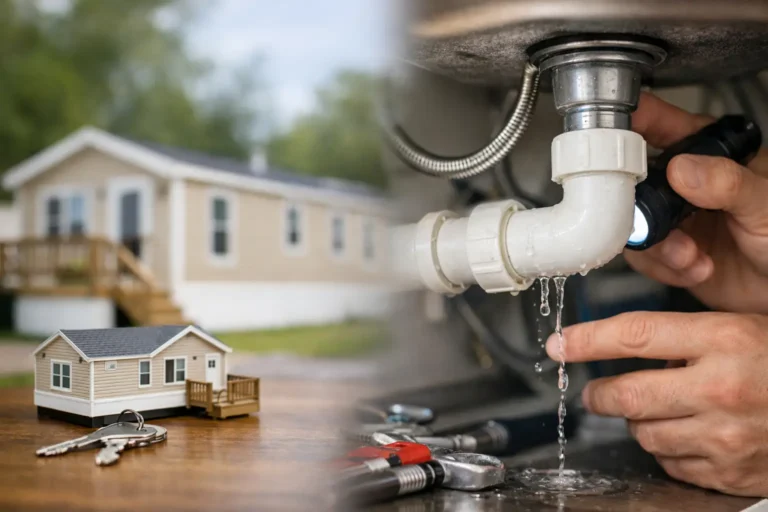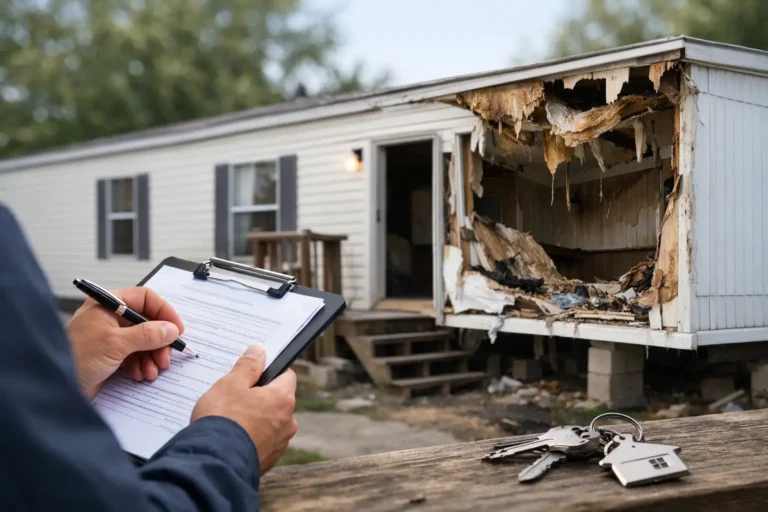

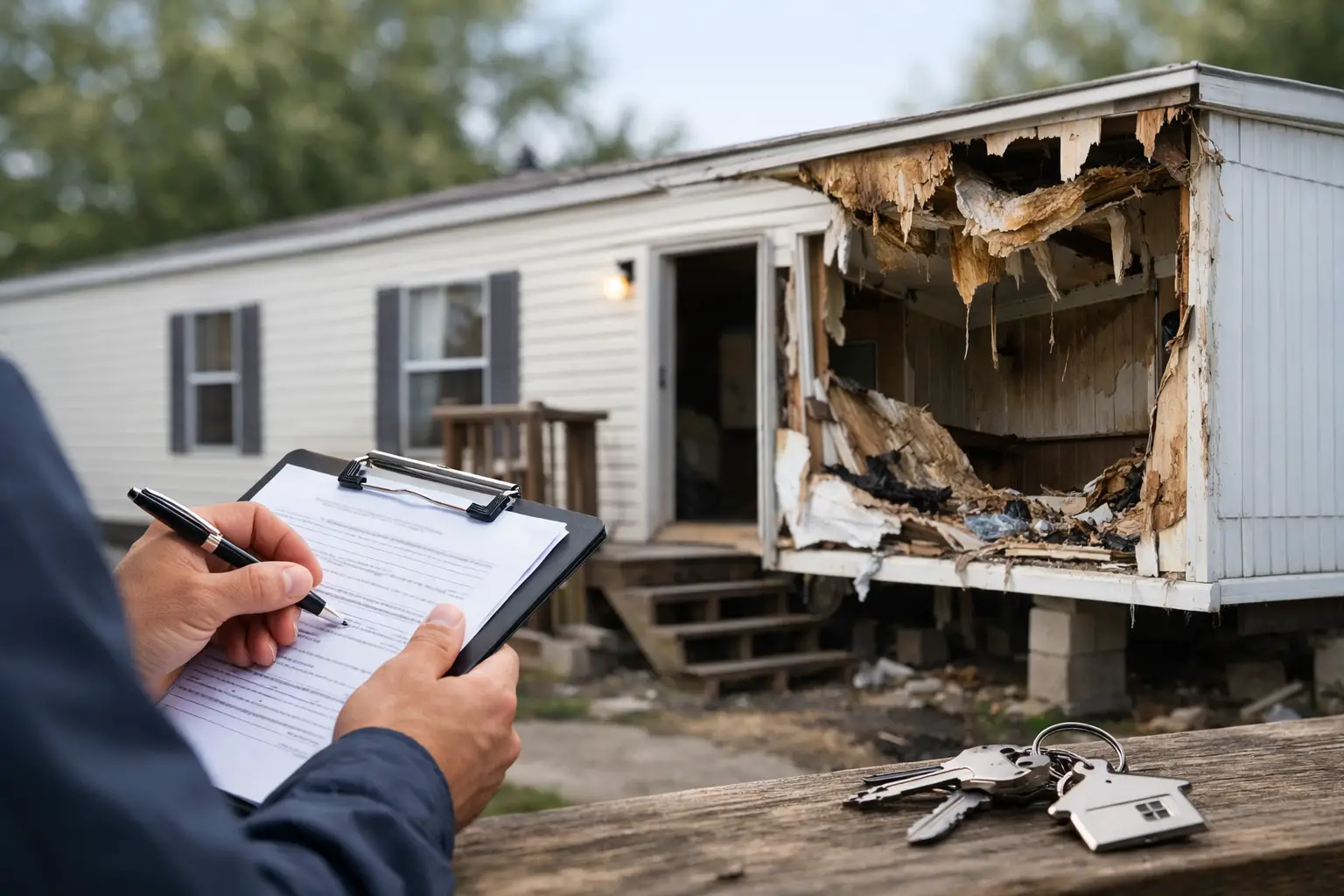
A soft floor by the bathroom, a stained ceiling panel, warped walls near a window – water damage in a mobile home rarely stays small for long. If you need to sell mobile home with water damage fast, the biggest mistake is waiting for the damage to get worse while you debate repairs, listings, or whether a regular buyer will still want it.
For many owners in Central North Carolina, speed matters more than squeezing out every last dollar. Maybe the home is sitting vacant. Maybe lot rent is behind. Maybe you inherited it and live out of town. Maybe you already know the roof, plumbing, or subfloor issues are bigger than you want to handle. In those situations, the best path is usually the one that reduces delay, uncertainty, and out-of-pocket costs.
Can you sell a mobile home with water damage fast?
Yes, you can. The real question is who you are selling to and how much friction comes with that sale.
A traditional retail sale is often the hardest route when a mobile home has water damage. Most regular buyers want something move-in ready, or at least financeable. Water damage can create problems with flooring, walls, insulation, electrical systems, mold, and structural components. Once those issues show up, buyers start asking for repairs, credits, inspections, or a much lower price. Lenders may also hesitate if the home’s condition is poor.
That is why sellers who need speed usually look at direct cash buyers or specialized mobile home buyers. A buyer who already understands manufactured housing issues is less likely to get scared off by soft spots, roof leaks, damaged ceiling panels, or a history of plumbing leaks. They know what repairs cost, what title or park issues may come next, and how to move quickly without dragging you through weeks of back-and-forth.
What water damage does to your selling options
Not all water damage is equal. A small leak under a sink is very different from long-term roof intrusion that has affected the ceiling, walls, and subfloor. The more widespread the damage, the fewer buyers you will have.
That does not mean the home is unsellable. It means your pool of realistic buyers changes. A retail buyer may want perfection. A specialized buyer is looking at repair scope, location, age, title status, whether the home is in a park or on land, and what it will take to close.
Water damage often affects value in three ways at once. First, there is the direct repair cost. Second, there is the risk cost – hidden mold, rot, or floor damage that may be worse than it looks. Third, there is the time cost. A damaged home can sit longer, and every month you hold it, you may still be paying lot rent, taxes, utilities, insurance, or loan payments.
That last part gets overlooked. If you wait three months to chase a slightly higher price, but spend money and time carrying the home, the difference may disappear fast.
When repairing first makes sense – and when it does not
Sometimes owners ask whether they should fix the water damage before selling. The honest answer is it depends.
If the issue is minor, the home is in a strong location, and you have the money and time to complete repairs correctly, fixing it may improve what you can get. But water damage repairs in mobile homes can expand once work starts. What looks like a small ceiling stain can lead to roof work, insulation replacement, floor repairs, and mold remediation. If you hire contractors, the cost can climb quickly. If you do it yourself, the timeline often stretches longer than expected.
If you are already under pressure because of relocation, unpaid lot rent, probate, divorce, repossession risk, or a vacant home, repairs usually add another layer of stress. In that case, selling as-is is often the cleaner decision. You may accept a lower price than a fully repaired home would bring, but you avoid spending money you may not recover.
How to sell mobile home with water damage fast without getting stuck
The fastest route is usually a simple one. Start by gathering the basic facts about the home. That includes the year, size, location, whether it is in a park or on private land, the title status, and what you know about the water damage. You do not need a polished report. Clear, honest information is enough.
Take straightforward photos. Show the damaged areas, but also show the rest of the home. A serious buyer does not need perfect staging. They need a real picture of condition. If the floor feels soft, say so. If the roof has leaked for a while, say that too. Hiding damage only slows the process later.
Then choose your path carefully. If you list the home yourself, be prepared to answer messages, coordinate showings, negotiate, and deal with buyers who disappear. If the home is in a park, you may also need to confirm park rules about buyer approval, age restrictions, or whether the home can stay on the lot. If the home is on land, there may be added questions about the deed, utilities, or whether the land is included.
A direct buyer can usually shorten all of that. Instead of marketing the home for weeks, you get an offer based on the condition and the local market. For many distressed sellers, certainty is worth more than testing the market.
Common issues that can slow the sale
Water damage is often only one part of the problem. In manufactured housing, delays often come from the paperwork and logistics around the home.
Title issues are common, especially with older homes or inherited properties. Sometimes the title is missing. Sometimes a deceased owner’s name is still on it. Sometimes there is confusion about whether the home has been retired to real property. These are not small details. They affect who can legally sell the home and how fast it can close.
Park rules can also create delays. Some communities require the buyer to be approved. Others may not allow older homes to remain in the park. If lot rent is behind, that can add pressure and reduce your time to act.
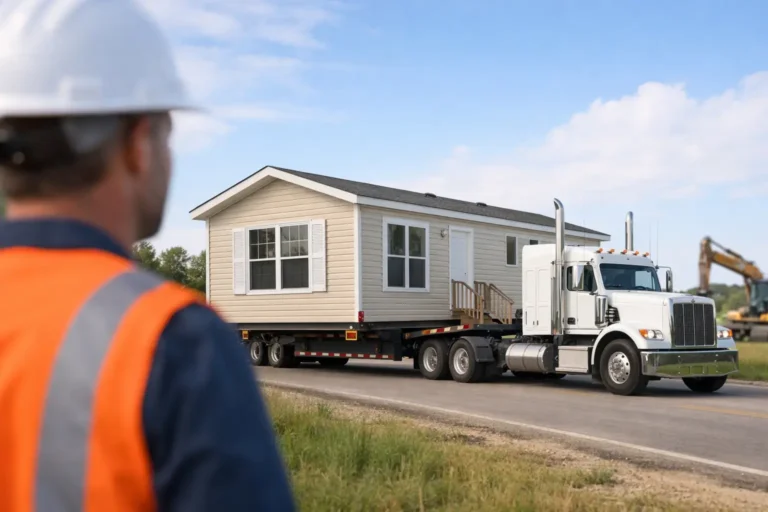
Then there is the practical side. If the home cannot stay where it is, someone has to evaluate whether it can be moved, what permits are needed, and what transport will cost. A general real estate buyer may not want to touch that. A mobile home specialist already knows how these deals work.
What a fair cash offer really means
A fair cash offer is not the same as top retail price, and sellers deserve honesty about that. A cash buyer is pricing in repairs, risk, holding costs, labor, transport issues if they apply, and the time it takes to get the home resold or placed. That is why a cash offer is usually lower than the number you might imagine for a fully updated home in perfect condition.
But fair should still mean transparent and realistic. You should not be pressured, and you should not be left guessing about the next steps. The value in a cash sale is speed, simplicity, and fewer ways for the deal to fall apart.
That matters a lot when water damage is involved. A financed buyer can back out after inspection. A retail buyer can demand repairs. A casual marketplace buyer may waste your time. A serious cash buyer should be able to review the home, make a straightforward offer, and close on a timeline that actually helps you.
The best sellers are usually the most honest ones
If you are trying to sell quickly, honesty helps more than sales language. Tell the buyer when the leak started if you know. Say whether the damage came from the roof, plumbing, windows, or storm exposure. Mention whether the power is on, whether the home is occupied, and whether there are soft floors, odors, or visible mold.
That kind of transparency does two things. It speeds up your offer, and it reduces the chance of renegotiation later. Serious buyers expect damage. What slows a deal is surprise.
For sellers in Greensboro, Winston-Salem, High Point, and the surrounding Triad area, working with a local company that deals with mobile homes every day can make a big difference. Triad Mobile Homes LLC is built around these exact situations – damaged homes, complicated paperwork, park questions, and owners who need a no-pressure way to move on fast.
If speed matters, focus on the right outcome
The right sale is not always the highest theoretical number on paper. With water damage, the better outcome is often the one that closes quickly, avoids repair spending, and removes a problem from your plate.
If your mobile home has leaks, floor damage, stained ceilings, or signs of long-term moisture, time is probably not helping you. The sooner you get clear on the condition, the paperwork, and the kind of buyer you need, the sooner you can stop carrying a home that keeps getting more expensive to own.