

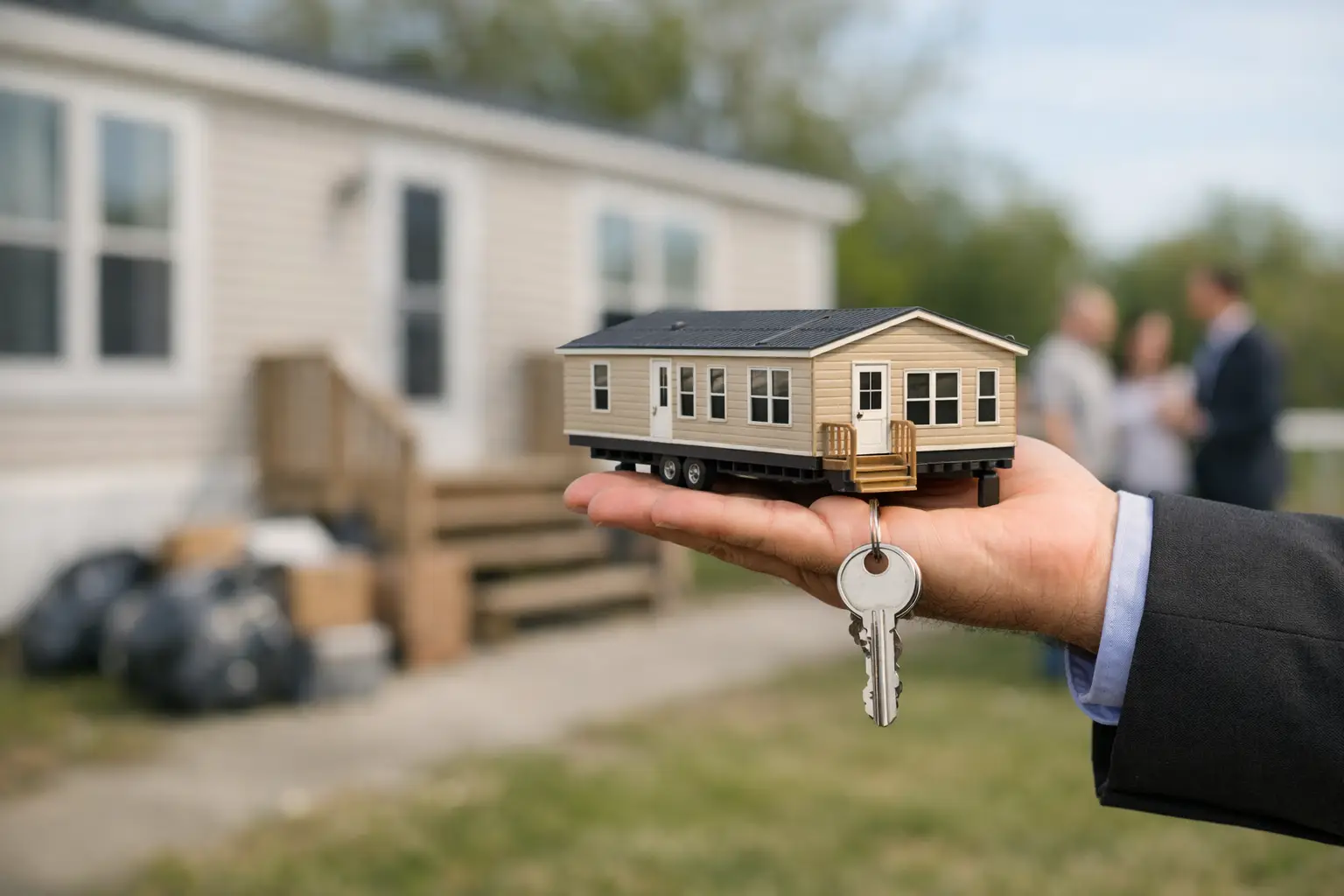
The day after an eviction is usually when the real mess shows up. Maybe the tenant left damage behind. Maybe the lot rent is still running. Maybe the home is full of trash, missing appliances, or tied up with paperwork you do not want to untangle yourself. If you need to sell mobile home after tenant eviction, the biggest mistake is waiting too long and letting costs stack up.
In North Carolina, a vacant mobile home can turn into a money drain fast. Lot rent, taxes, utilities, cleanup, title issues, and park pressure all keep moving whether the tenant is gone or not. The good news is that an eviction does not automatically make the home unsellable. It just changes what kind of buyer makes sense and how fast you need to act.
What changes when you sell mobile home after tenant eviction
A mobile home with a fresh vacancy is not the same as a normal owner-occupied sale. Buyers see risk first. They wonder about damage, unpaid lot rent, missing titles, park approval, and whether the home can stay where it is. If the home is on private land, they may also ask about access, permits, septic, or whether the home needs to be moved.
That does not mean you cannot sell. It means price, speed, and convenience start pulling against each other. If you list the home yourself and try to get top dollar, you may need time to clean it, photograph it, show it, answer questions, and work through paperwork. If you want a faster sale, you will likely need to accept a lower price in exchange for certainty and a simpler process.
That trade-off matters most when the home has damage or the situation is draining your time. Many sellers are not trying to squeeze every last dollar out of the property. They want it gone without putting more cash into it.
Start with the condition – not the story
After an eviction, owners often focus on what happened with the tenant. Buyers usually focus on what the home needs right now. Before you decide how to sell, get honest about the condition.
Walk through the home and look for the issues that affect value fastest. Soft floors, roof leaks, missing HVAC, broken windows, plumbing problems, mold, and damaged walls matter more than cosmetic clutter. If the home is mostly dirty but structurally fine, that is very different from a home with water damage or stripped-out systems.
You also need to know what was left behind. Personal property, trash, and furniture can delay showings and make the home look worse than it is. In some cases, the cost of cleanout alone is enough to push sellers away from a retail listing and toward a direct cash sale.
If you are out of state or handling this after a difficult tenant situation, do not guess. Get photos, verify the title status, and confirm whether the park has any rules or back charges attached to the home.
Know whether the home is in a park or on private land
This part can change everything.
If the mobile home is in a park, the buyer may need park approval. Some parks have age restrictions on homes, rules about renovations, or limits on who can purchase. If lot rent is behind, that can also complicate the sale. In some communities, the home may not be allowed to stay unless the new buyer qualifies.
If the home is on private land, you may have more flexibility, but there may be land-related issues to sort out. Is the land included in the sale? Is the home titled correctly? Has it been converted to real property or is it still treated as personal property? Those details matter because they affect what paperwork is needed and which buyers can actually close.
A regular house buyer or agent often does not understand these mobile home details. That is where sellers lose time.
Your main options after an eviction
There is no single best way to sell mobile home after tenant eviction. The right path depends on condition, timeline, and how much work you are willing to do.
Option 1: Clean it up and sell it yourself
If the home has limited damage and you are not under major time pressure, you can clean it out, make basic repairs, and market it yourself. This may bring a higher sale price, especially if the home is in a desirable park or affordable area.
The downside is effort and uncertainty. You will need to field calls, deal with no-shows, answer title questions, and sort through buyers who may not have cash or park approval. If the home still looks rough, you may spend weeks trying to find the right person.
Option 2: List with an agent or broker familiar with mobile homes
This can work if the home is in decent shape and there is enough value to justify the process. But not every real estate agent handles manufactured housing well, especially homes in parks or homes with title complications. A traditional listing can also mean waiting on cleanout, showings, negotiations, and repairs.
That route usually makes less sense when the home is distressed, vacant, or carrying ongoing costs.
Option 3: Sell directly to a local mobile home buyer
For many eviction situations, this is the cleanest option. A direct buyer who understands mobile homes can usually assess the condition quickly, work around damage, and make an offer without requiring repairs, inspections, or listing prep.
This approach is built for speed and simplicity, not top-market pricing. But for many sellers, that is the point. If your goal is to stop the bleeding, avoid more cleanup costs, and move on, a fair cash offer can be the most practical outcome.
What affects the offer price
Owners often ask why one mobile home gets a strong offer and another gets a low one even when both had evictions. The answer usually comes down to a few practical factors.
Condition matters most. Major repairs lower the number because the buyer is taking on risk and renovation costs. Title status matters too. If the title is missing, incorrect, or tied up in an estate, the sale may still be possible, but it usually takes more work.
Location matters in a very mobile-home-specific way. A home in a well-managed park with reasonable lot rent may be easier to resell than one in a community with strict rules or weak demand. Age, size, whether the home can stay in place, and whether taxes or lot rent are current all play a role as well.
And then there is time. If you need to sell this week, your options narrow. Speed has value, especially when every extra month means more rent, utilities, and stress.
A simple process works best
When the tenant is out and the property is vacant, complicated selling plans usually fall apart. A simple process gets results.
First, gather the basics. You need the address, home size, year if known, whether it is in a park or on land, and a realistic picture of the condition. Photos help. So does knowing whether the title is available.
Next, get a real assessment from someone who understands manufactured housing. Not a vague promise. Not a maybe. You want a straightforward answer about what the home is worth as-is and what would need to happen to close.
Then choose the path that matches your priorities. If you want maximum price and have time, market it. If you want certainty and speed, sell directly. A company like Triad Mobile Homes often makes the most sense when the home needs work, the paperwork is messy, or you simply do not want to manage the sale yourself.
Common mistakes that cost sellers money
The biggest mistake is letting the home sit because you are overwhelmed. Vacant homes usually get worse, not better. Leaks spread. Copper disappears. Parks get less patient. Insurance questions come up. A problem that felt manageable in week one can become expensive by month three.
Another mistake is over-improving the home. Some owners spend thousands on repairs hoping to create a retail-ready sale, only to find out the market still discounts the home because of age, park rules, or financing limits. Sometimes a light cleanup is smart. A full remodel often is not.
The last mistake is working with buyers who do not understand mobile home transactions. If they do not know how titles, park approvals, move logistics, or manufactured home paperwork work, the deal can stall after you have already lost valuable time.
If you are trying to sell mobile home after tenant eviction, focus on the outcome you actually need. For a lot of sellers, that means a fair price, no repairs, no drawn-out listing, and a clear path to closing. Once the tenant is out, your next move should make your life easier, not create a second job. A fast, clean sale lets you put the situation behind you and move on.