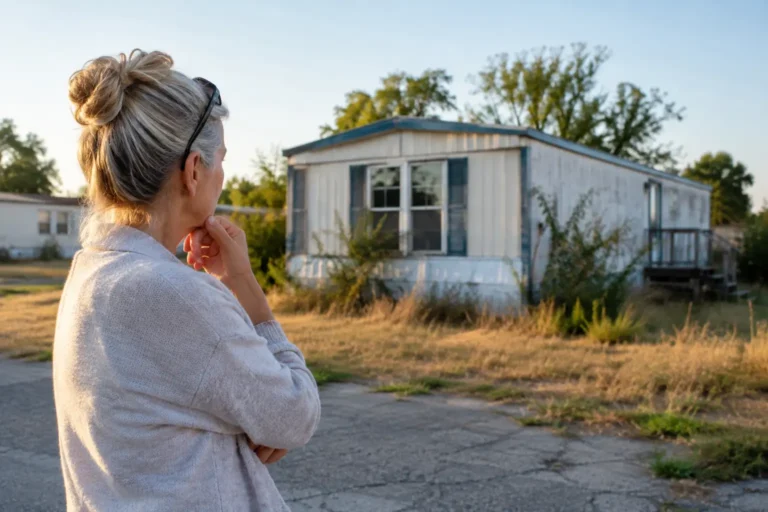

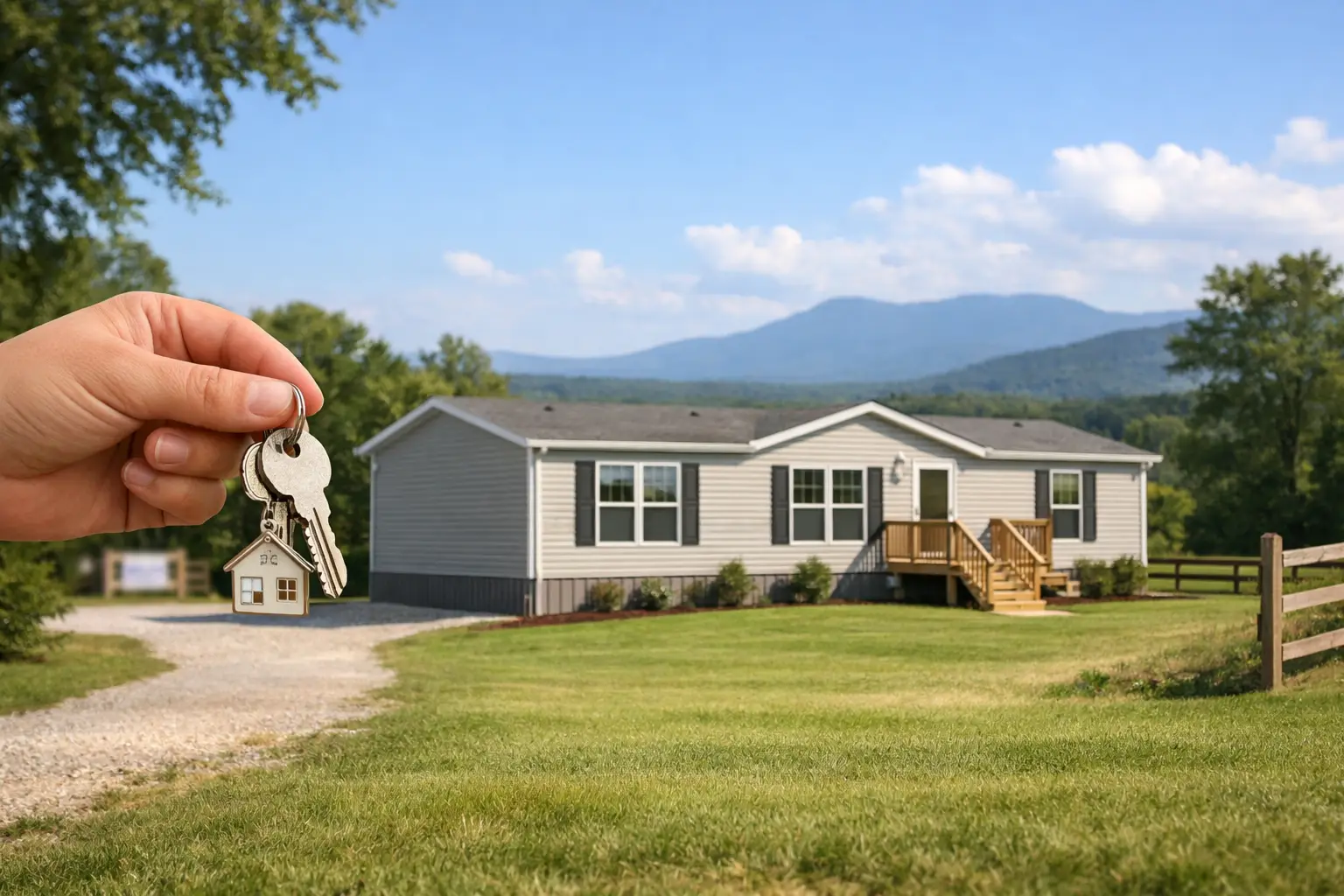
A mobile home on private land is often easier to sell than a home in a park because you are not dealing with park approval or lot rent. But it can also involve two separate assets, two sets of paperwork, and a bigger pricing decision. For private land mobile home sales in North Carolina, the fastest path is knowing exactly what you own, what condition it is in, and which buyer is prepared to handle the details.
If you need to move quickly because of relocation, inherited property, divorce, financial pressure, vacancy, or a home that needs work, you do not have to clean it up and wait months for a traditional listing. A fair cash offer may be the practical choice when certainty matters more than chasing the highest possible price.
What Makes a Private Land Mobile Home Sale Different?
When a manufactured home sits on privately owned land, the transaction may include both the home and the real estate. That can add value, especially if the property is in a desirable Central North Carolina location with road access, utilities, and usable acreage. It can also create questions that do not come up with a typical site-built house.
The first question is whether the mobile home is legally part of the real estate or still treated as personal property. A permanently installed home may have been converted to real property, while another home on a similar-looking foundation may still have a separate North Carolina title. The answer affects the paperwork, financing options for buyers, closing process, and how the property should be marketed.
Do not assume the home and land automatically transfer together just because they have shared the same address for years. A title search, deed review, and tax records can help show what is actually being sold.
The Home’s Setup Matters
Buyers will look at more than the year, size, and appearance of the home. They may ask whether the home is on a permanent foundation, whether the axles and tongue were removed, whether it has been moved before, and how utilities are connected. Septic systems, wells, shared driveways, easements, and flood-zone concerns can all affect value and buyer interest.
That does not mean a problem property cannot sell. It means the buyer needs clear information. A cash buyer who understands manufactured housing can evaluate the situation without requiring you to solve every issue before an offer is made.
Start With the Paperwork You Can Find
You do not need to have a perfect folder before asking for an offer. Still, gathering what you have can prevent delays and help you receive a more accurate number. Look for the deed to the land, the mobile home title if one exists, the VIN or HUD label information, recent tax bills, and any survey, septic permit, or well records.
If the home has a lien, bring that up early. The same goes for unpaid property taxes, a mortgage, inherited ownership, or a title that was never transferred after a family member passed away. These are common issues, not automatic deal breakers. They simply need to be addressed before or at closing.
In North Carolina, a missing title can be especially frustrating when the mobile home is still classified as personal property. The process may require records, affidavits, or replacement-title steps. Starting early gives you more options. If you are not sure whether the title was retired or converted with the land, say so upfront rather than guessing.
Decide Whether to Sell the Land and Home Together
For most sellers, selling everything together is the cleanest option. One buyer, one closing, and no need to coordinate moving a manufactured home off the property. Keeping the home in place also avoids transport costs, set-up permits, foundation work, utility disconnection, and potential damage during a move.
There are situations where separating them makes sense. You may want to keep family land, sell a mobile home that can be moved, or remove an older home to prepare the lot for another use. But moving a mobile home is not as simple as hiring a truck. The home must be eligible to move, a destination must be secured, local requirements must be met, and the cost can be substantial.
Before agreeing to sell only the home, find out who pays for permits, transport, utility work, repairs needed for relocation, and any damage that occurs during the move. A buyer offering a low price for the home while leaving you with land cleanup and moving headaches may not be offering the best overall deal.
Price for the Real Condition of the Property
Private land can add meaningful value, but it does not erase problems with the home or site. A realistic offer considers the whole picture: location, acreage, road frontage, utilities, home age, condition, foundation, title status, and the cost to repair or remove the structure.
A newer double-wide on usable land near Greensboro, Winston-Salem, or High Point may appeal to owner-occupants, investors, and buyers seeking an affordable home with no lot rent. An older single-wide with roof damage, soft floors, or an outdated septic system may still sell, but its value will be based on what a buyer must spend after closing.
Be careful with online estimates or comparisons to site-built homes. Manufactured homes and private land do not always fit neatly into automated pricing tools. Two homes a few miles apart can have very different values because of county rules, access, utility availability, zoning, and whether the home can be financed.
You can certainly list the property and wait for a retail buyer if time is on your side. That route may produce a higher price in some cases, but it usually means repairs, photos, showings, negotiations, buyer financing uncertainty, and a longer timeline. If the property needs major work or you need a firm close date, a direct cash sale can remove much of that uncertainty.
Be Straight About Repairs and Property Problems
Sellers sometimes worry that a damaged home is impossible to sell. In reality, hiding a problem is usually more damaging than the problem itself. Tell the buyer about leaks, mold, storm damage, floor issues, plumbing trouble, non-working HVAC, abandoned belongings, or a tenant who has left the property in rough shape.
The same applies to the land. Mention drainage concerns, access disputes, unpermitted additions, old vehicles, burned structures, or a septic system that may need attention. A serious buyer will factor these issues into the offer. You avoid the surprise that can derail a closing later.
With a direct sale, you should not have to spend weeks repairing, painting, cleaning, or hauling away everything just to be considered. The trade-off is straightforward: an as-is cash offer typically reflects the work the buyer will take on. For many sellers, that trade-off is worth it because it replaces repair bills and uncertainty with a clear next step.
A Faster Way to Sell a Mobile Home on Private Land
The fastest sales tend to follow a simple process. First, share the property location, basic home details, land information, condition, and any known title or lien concerns. Photos are helpful, but do not wait for perfect pictures if your situation is urgent.
Next, the buyer reviews the information and may schedule a walkthrough or ask a few follow-up questions. This is where a local manufactured-home specialist earns their keep. They should understand the difference between a home in a community and a home on deeded land, as well as the paperwork and logistics that can affect the sale.
Finally, review the offer carefully. Ask whether it is cash, whether commissions or fees are involved, what happens with title issues, and when you will be paid. A fair offer should be clear about the price, closing expectations, and any conditions. No pressure and no vague promises.
Triad Mobile Homes LLC works with owners across Central North Carolina who need help selling manufactured homes in difficult situations, including homes on private land. If a direct purchase is not the right fit, a knowledgeable local resource can also help identify the most practical way to market the property and find a buyer.
Questions to Ask Before You Accept an Offer
A quick offer is useful only when you understand its terms. Ask whether the buyer is purchasing both the land and the home, who handles closing costs, and whether the offer changes after inspection. Confirm the expected closing date and whether the buyer has experience with manufactured-home titles and real-property conversions.
Also ask what you need to leave behind. Some buyers will take the property as-is, including unwanted contents or deferred maintenance. Others may expect the home to be emptied or the land cleared. Getting that answer in writing prevents a last-minute scramble.
If you inherited the property with siblings or live out of state, ask how signatures and closing documents will be handled. These sales can still move quickly, but only when ownership and communication are clear.
A private-land mobile home sale does not need to become a long repair project or a paperwork nightmare. Start with the facts you have, be honest about the property’s condition, and choose a buyer who is prepared to handle manufactured-home details. The right plan gives you a clean sale, a defined closing date, and room to move forward.