

If you need to sell fast, the phrase mobile home cash buyer closing costs explained matters for one reason – you want to know what comes out of your pocket before you agree to anything. A cash offer can absolutely simplify the sale, but it does not mean every possible expense disappears. The real answer depends on the home, the title, the land, the park, and whether there are unpaid balances or paperwork problems tied to the property.
For many sellers in Central North Carolina, this is where things get confusing. A buyer says, “We pay closing costs,” but you still hear about taxes, lot rent, title work, liens, or moving issues. That is why it helps to separate true closing costs from other debts or transfer-related expenses. Once you do that, the numbers make a lot more sense.
What cash buyer closing costs usually mean
In a traditional real estate sale, closing costs often include attorney or settlement fees, document prep, recording charges, transfer-related paperwork, and sometimes prorated taxes or other settlement items. With a mobile home cash buyer, especially one that buys directly, many of those transaction costs are often paid by the buyer as part of the offer.
That is the big appeal. You are usually not paying a real estate commission, not paying listing fees, and not spending money to get the home market-ready. No repairs, no cleaning crew, no open houses, no waiting on a financed buyer to get approved.
But sellers still need to read the offer carefully. Some buyers truly cover the standard closing expenses tied to the transaction. Others use the phrase more loosely and then reduce the offer to account for title problems, transport issues, unpaid taxes, or park-related balances. That is not always bad business. It just needs to be clear up front.
Mobile home cash buyer closing costs explained for sellers
Here is the plain version. When a direct cash buyer says they cover closing costs, they usually mean the transaction costs required to complete the sale. That may include the closing attorney, title transfer documents, notary charges, recording fees, and paperwork handling.
What it usually does not automatically include are your personal debts or property-related balances. If you still owe money on the home, if there is back lot rent, if taxes are delinquent, or if there is a lien on the title, those items may still have to be paid before ownership can transfer cleanly. Sometimes the buyer handles the payoff through closing and deducts it from the agreed price. Sometimes the seller pays it separately. It depends on the deal.
That distinction matters because sellers often hear “no closing costs” and assume they will receive the full offer amount in hand. Sometimes that happens. Sometimes the net amount is lower because old obligations have to be cleared first.
The costs a seller may still have to deal with
The most common issue is an outstanding loan or lien. If the title is not free and clear, the payoff amount usually has to come from the sale proceeds. The same goes for unpaid property taxes if the home is taxed as real property, or certain title defects that need to be cured before transfer.
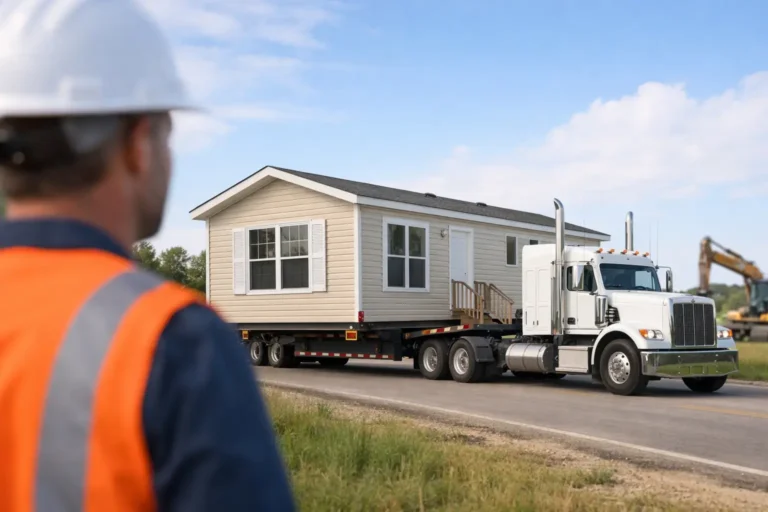
In a mobile home park, back lot rent can also become a sticking point. Park management may not approve a sale, buyer application, or move-out until the balance is resolved. If the home has to be moved, transport, setup, permits, and utility disconnects are generally not standard closing costs. Those are separate logistical expenses, and they can be significant.
There are also edge cases. Inherited homes may need estate paperwork before the sale can close. Divorce situations may require signatures from both spouses or a court order. If the VIN is missing, the title is lost, or the serial information does not match, there may be extra time and filing costs involved. A good buyer will explain these issues early instead of letting them show up the day before closing.
Why cash offers often still save sellers money
Even when some balances have to be paid, a direct cash sale often costs less overall than listing a mobile home the traditional way. That is especially true when the home needs work, has park restrictions, or is hard to finance.
With an agent-listed sale, you may face commissions, cleaning, repairs, hauling, holding costs, marketing delays, and price drops while the home sits. If you are still paying lot rent, insurance, utilities, or taxes each month, waiting can become expensive fast. A lower all-cash offer that closes quickly can leave you in a better position than a higher retail price that takes months and falls apart.
This is where sellers should focus on net proceeds and speed, not just the headline number. The best offer is the one that puts the most usable money in your hands with the least risk and delay.
How closing costs work if the home is in a park
Park sales add another layer. In many communities, the buyer has to be approved by management if the home will stay on the lot. If approval is denied, the home may need to be moved, which changes the economics of the deal.
That can affect who pays for what. A cash buyer may still cover the standard closing paperwork, but if the home cannot remain in the park, moving costs become the real issue. Those are not small expenses. Transport permits, axle and tire prep, setup at a new site, and utility work can easily outweigh normal settlement fees.
Sellers should also ask about any park transfer fee, outstanding lot rent, and whether the buyer has already spoken with management. A buyer who understands mobile home parks will usually know that the closing is only one part of the transaction. Park rules can determine whether the sale is simple or complicated.
How closing costs work if the home is on land
If the mobile or manufactured home is being sold with land, the transaction can look more like a standard real estate closing. There may be an attorney or title company involved, deed transfer documents, tax prorations, and title work on the land itself.
In that scenario, a cash buyer covering closing costs often means they are paying many of the settlement expenses that sellers usually worry about in a real estate deal. But again, unpaid taxes, mortgages, judgments, and liens are separate from ordinary closing costs. Those balances usually have to be settled from the proceeds.
Homes on land can also raise questions about whether the home is titled separately as personal property or has been converted to real property. That affects the paperwork. It is not necessarily a problem, but it is one more reason sellers should work with a buyer who knows manufactured housing instead of treating it like a standard site-built home.
Questions to ask before you accept a cash offer
The fastest way to avoid surprises is to ask one direct question: What will I actually receive at closing after every deduction? If the buyer cannot answer that clearly, keep asking.
It also helps to ask whether they are paying the attorney or settlement fee, whether there are any document or recording charges passed to you, whether taxes or lot rent will be prorated, and whether title issues will reduce the offer. If the home needs to be moved, ask who is paying for the move and whether that cost is already built into the offer.
A serious buyer should be able to walk you through the numbers in plain English. No pressure. No vague promises. Just a clear path from agreed price to your final net amount.
What a fair closing process looks like
A fair process is simple. The buyer gathers basic information about the home, title, land or park status, and any known payoff amounts. Then they make an offer that reflects the real condition and the real work involved. If they are covering closing costs, they should say exactly which costs they mean.
From there, the paperwork should move quickly. In many cases, sellers can avoid inspections, avoid repairs, and close on a timeline that works for their situation. That is especially valuable when dealing with vacancy, storm damage, inherited homes, divorce, repossession pressure, or rising lot rent.
For sellers in North Carolina, that local experience matters. A company like Triad Mobile Homes LLC is not just buying a unit – it is dealing with titles, parks, transport questions, and the practical issues that slow other buyers down.
If you are comparing offers, do not get hung up on one phrase alone. Ask what is covered, what is not, and what your net will be on closing day. The right buyer will make the hard parts easier, not harder.