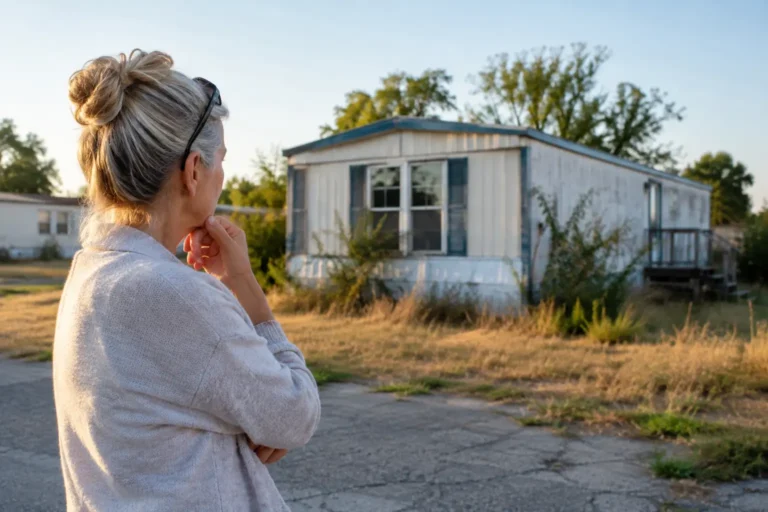


A mobile home can become difficult to manage long before it becomes impossible to own. Maybe the steps are no longer safe, lot rent keeps rising, a move closer to family is coming up, or an inherited home needs attention from several counties away. For many owners, cash sale benefits seniors because it replaces a long, uncertain selling process with a clear offer, a defined closing date, and far fewer tasks to manage.
Selling for cash is not always about getting the highest possible asking price. It is about weighing the real cost of time, repairs, commissions, holding expenses, and stress against the value of a straightforward sale. For seniors who need to simplify their next move, that tradeoff can make good sense.
Why cash sale benefits seniors in Central North Carolina
Traditional mobile home sales often put the seller in charge of nearly everything. That may mean cleaning the home, fixing soft floors or plumbing leaks, taking photos, creating listings, answering calls, scheduling showings, negotiating with buyers, and waiting to see whether financing will be approved. If the home sits in a park, there may also be community rules, buyer screening, and lot lease requirements to work through.
That is a lot to coordinate at any age. It can be especially burdensome when health, transportation, distance, or a pending move makes repeated trips to the property hard. A direct cash sale reduces the number of moving pieces. Instead of preparing the home for a broad market, the owner shares the basic details, reviews an offer, and closes when the terms work.
For a seller in Greensboro, Winston-Salem, High Point, or another Central North Carolina community, local experience matters. Manufactured homes do not sell exactly like site-built houses. Title status, the age and condition of the home, whether it is on leased land or private property, park rules, and whether the home will stay or move can all affect the transaction. A buyer who works with mobile homes every day can help address those issues directly rather than treating them as a surprise at the end.
Less upkeep when you are ready to move on
Many seniors are selling because they are downsizing, moving in with family, entering assisted living, or relocating closer to medical care and support. In those situations, maintaining an empty or underused home can quickly become a drain.
Even a modest manufactured home can require ongoing attention. There may be monthly lot rent, utilities, insurance, taxes, lawn care, and occasional repairs. A vacant home can also become vulnerable to leaks, storm damage, break-ins, or vandalism. The longer it remains unsold, the more money and worry it may create.
A cash buyer may purchase a home in its current condition. That does not mean condition has no impact on the offer. A home with roof issues, damaged subfloors, missing appliances, or an outdated interior will be valued differently than a move-in-ready home. But the seller does not have to spend thousands of dollars trying to bring it up to retail condition before finding out whether a buyer is interested.
That can be a major relief for an owner who does not want to coordinate contractors or use retirement savings on a property they are leaving behind. It also prevents a common problem: spending money on repairs that do not add enough value to justify the work.
No repeated showings or strangers in the home
A standard listing often requires the home to be kept ready for potential buyers. Showings can happen with little notice, and not every visitor will make an offer. For seniors still living in the home, that disruption can be exhausting. For adult children helping from a distance, it can mean repeated drives and constant phone calls.
With a direct sale, there is typically one walkthrough or evaluation rather than weeks of open houses and last-minute appointments. The process is more private and easier to plan around. That matters when a seller has mobility limitations, medical appointments, pets, or personal belongings they do not want to rearrange for every showing.
A clearer path through mobile home paperwork
Paperwork can hold up a mobile home sale even when both sides want to move forward. North Carolina manufactured home transactions may involve a certificate of title, lien releases, bills of sale, identification details, and park documentation. If the home is in a community, management may need to approve the incoming resident or provide information about the lot lease.
Seniors who have owned a home for many years may not know where the title is, whether an old lien was properly released, or whose name is listed on the paperwork. This is also common after a spouse passes away or when a family inherits a home. These problems are usually solvable, but they should be addressed early.
A knowledgeable buyer can explain what documents are needed and help the seller understand the next steps. They cannot make a title issue disappear, and sellers should be cautious of anyone who promises that every problem is easy. Still, experienced support can keep a missing-title or ownership question from becoming an overwhelming project.
For homes located on private land, there may be additional questions about whether the home and land are being sold together, whether the home is permanently affixed, and what local permits may be involved. A cash sale can still be a practical option, but the details need to be reviewed before an offer is finalized.
Speed can protect your finances and your peace of mind
A fast sale is valuable when there is a real deadline. Perhaps lot rent is overdue, a home is headed toward repossession, an estate needs to be settled, or a family member has already moved out and left the home behind. Waiting for the perfect retail buyer can make a difficult situation more expensive.
Cash buyers do not rely on a bank mortgage approval, which removes one of the most common reasons a conventional deal falls apart. A buyer can still conduct a walkthrough and verify title information, but there is less risk of waiting weeks only to hear that the buyer’s financing was denied.
That certainty lets seniors make other decisions with more confidence. They can schedule movers, arrange a new residence, distribute estate proceeds, or stop worrying about another month of lot rent. The best closing timeline depends on the seller’s needs. Some people need to close quickly, while others need time to sort possessions or coordinate a move. A fair buyer should discuss both options without pressure.
The tradeoff: convenience usually affects price
A cash offer should be evaluated honestly. Direct buyers take on the work and risk that the seller is avoiding. They may need to repair the home, resolve a title issue, market it to another buyer, or arrange for it to remain in or move from a community. For that reason, a cash offer is often lower than the retail price a fully repaired, professionally marketed home might bring.
The right comparison is not simply cash offer versus the highest price found online. Compare the offer with the likely net amount after repairs, cleaning, commissions, listing costs, transportation, carrying costs, and the chance that a financed buyer may not close. Then consider what your time and peace of mind are worth.
If the home is newer, in strong condition, and located in a desirable park with easy buyer approval, a traditional sale or marketing approach may bring more money. If the home needs work, the title is complicated, the seller is out of state, or timing matters more than a top-dollar result, a direct cash sale may be the better fit.
Questions seniors and families should ask before accepting
A legitimate offer should be easy to understand. Ask whether the offer is truly all cash, whether there are commissions or hidden charges, who handles the title transfer, and what happens if a park requires buyer approval. Confirm the closing date, the amount you will receive, and whether you need to clean out the home completely before closing.
It is also reasonable to ask whether the buyer has experience with homes in your specific type of situation. A home in a leased-land community has different concerns than a home on family land. An inherited home may require different documentation than one held by a single owner. Clear answers are more valuable than rushed promises.
Never feel forced to accept an offer on the spot. A no-obligation cash offer gives you information. It should help you decide, not take away your ability to decide.
Triad Mobile Homes LLC works with Central North Carolina owners who want a straightforward option for selling a manufactured home. The process starts by sharing details about the home, followed by a review and a fair cash offer when the situation is a fit. There are no realtor commissions, no obligation to accept, and no need to turn a difficult property into a full-time project first.
If selling would let you stop managing a property that no longer serves your needs, start with the facts: the home’s condition, its title status, its location, and your preferred timeline. A clear cash offer can give you the room to make the next decision on your own terms.