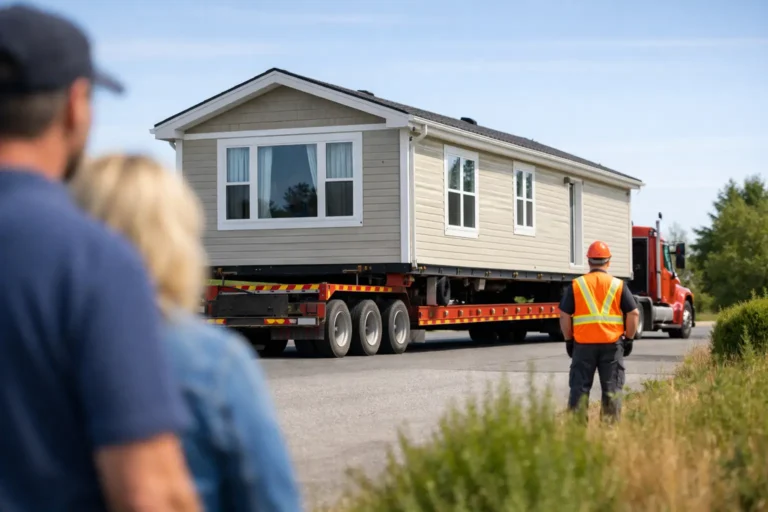

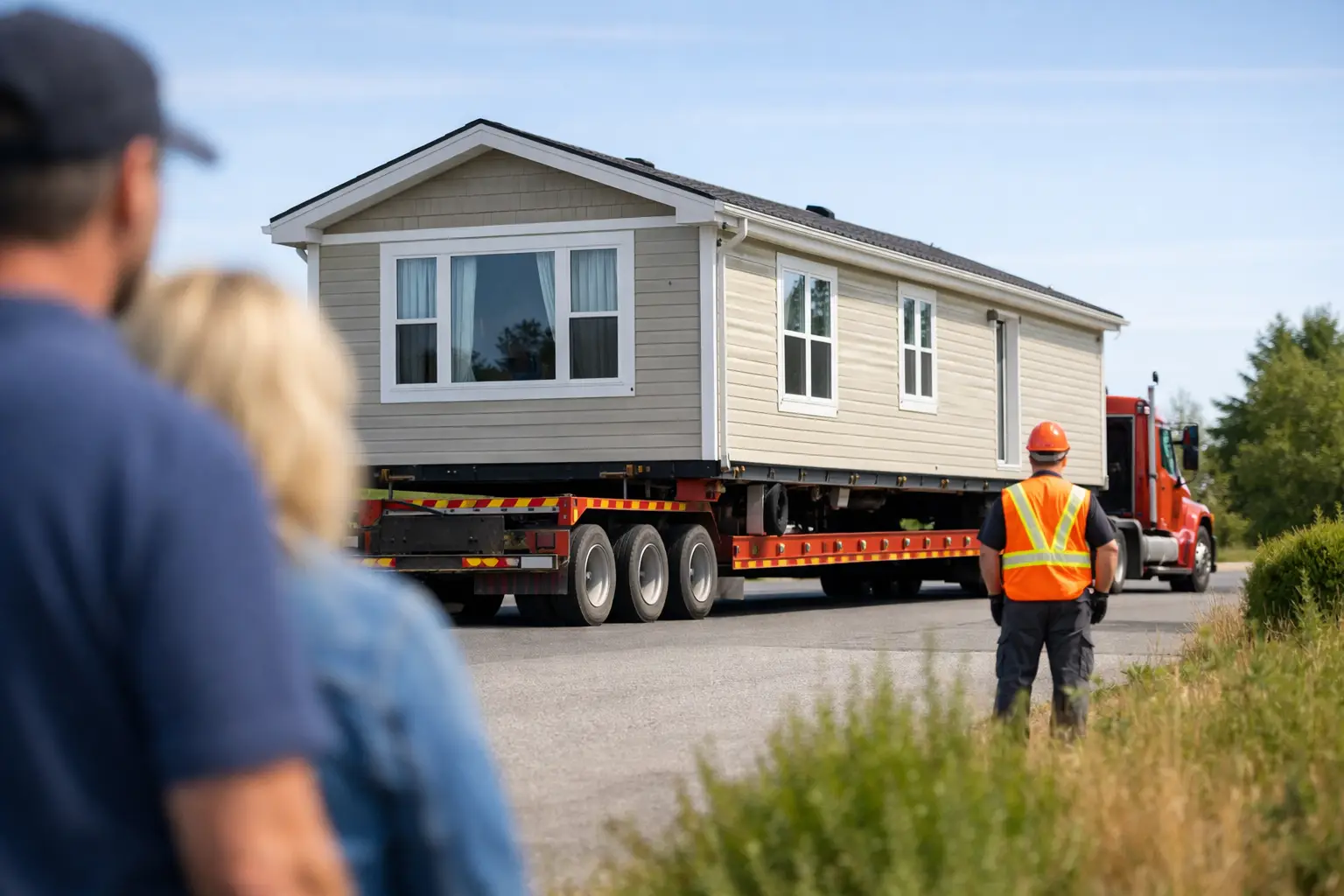
If you are trying to sell a manufactured home and someone brings up transport, the first question is usually the same: who pays to move a mobile home? The honest answer is – it depends on the deal, the park rules, the condition of the home, and whether moving it even makes financial sense. In North Carolina, that answer can change fast once permits, titles, setup requirements, and park approval enter the picture.
For many sellers, this is the issue that slows everything down. A buyer may want the home, but not the moving bill. A park may want the home removed, but not pay for it. A seller may assume the transport cost comes out of the sale, only to learn the numbers no longer work. That is why this question matters so much before you agree to anything.
Who pays to move a mobile home in a sale?
In most private sales, the buyer pays to move the home if they are purchasing it to relocate to another property or park. That is the common setup because the buyer is the one choosing the destination, the installer, and the timeline. If they want the home moved, they usually take on that cost.
But common does not mean automatic. In a weaker market, or when the home is older, the seller may need to cover part of the moving cost to get the deal done. Sometimes that means reducing the sale price. Sometimes it means paying for tear-down, permits, or transport as a concession. What matters is not what is typical in theory. What matters is what gets agreed to in writing.
If the home is staying in the same park and the buyer is approved by park management, there may be no moving cost at all. In that case, the real issue is not transport. It is title transfer, lot rent, park paperwork, and making sure the buyer actually qualifies to stay.
The four parties who might pay
When people ask who pays to move a mobile home, there are really four possible answers: the buyer, the seller, the park, or a dealer/investor.
Buyer
The buyer usually pays when they want the home moved to land they own or to another community. This is most common when the home is in fair condition, the title is clear, and the buyer believes the move is worth the cost.
That cost can be substantial. It is not just hauling. It may include disconnecting utilities, permits, escorts, axle and tire prep, skirting removal, setup at the new site, steps, tie-downs, and utility reconnection. For a single-wide, the total can easily run into the thousands. For a double-wide, it can rise much higher.
Seller
The seller pays when they are under pressure to remove the home, when the park requires it, or when paying the cost is the only way to make the numbers work. This happens more often with older homes, homes in poor condition, or homes in parks that do not allow older units to remain.
A seller may also pay indirectly by accepting a lower purchase price. Even if the buyer writes the transport check, they may build that expense into their offer. So the seller still absorbs the cost in practical terms.
Park owner or landowner
This is less common, but it happens. A park owner may pay to remove a home if they need the lot cleared quickly and have their own redevelopment plans. A landowner might also pay if the home was abandoned and they are trying to regain control of the property.
Still, most park owners do not volunteer to cover moving expenses unless it serves their immediate interest. In many cases, they expect the homeowner to handle removal.
Dealer or cash buyer
A dealer or direct buyer may agree to handle the moving logistics as part of the purchase. In those cases, the seller is not typically writing separate checks to movers, chasing permits, or coordinating installers. The cost is wrapped into the offer and the convenience is part of the value.
That is often the better path when the seller wants speed and certainty more than squeezing out every possible dollar. If the home has title issues, park complications, damage, or a tight deadline, simplicity matters.
What decides who pays?
The biggest factor is whether the home should be moved at all. Not every mobile home is a good candidate for transport. Older homes can be difficult to insure for a move, expensive to detach, or risky to haul without damage. Some movers will not touch certain homes due to age, condition, or missing data plates.
The next factor is location. If the home is in a park, management rules matter. Some parks allow resale in place. Others require removal after a sale. Some have age restrictions. Some require the buyer to be approved before any transfer happens. A cheap sale can become an expensive problem if the buyer cannot stay and suddenly needs to move the home.
Then there is title status. A clear title does not move the home by itself, but it affects whether the sale can close cleanly. If there are title issues, lien problems, or missing paperwork, the moving question may become secondary until ownership is sorted out.
Distance also changes everything. A short local move costs less than hauling a home across counties. Utility access at the destination matters too. If the site is not ready, setup costs can stack up fast.
When moving the home does not make sense
Sometimes the cheapest-looking option is actually the most expensive. A seller may think, “I will just find someone to move it,” but the transport, setup, and repair costs can exceed the value of the home.
This is especially true for older single-wides, homes with soft floors, roof leaks, frame damage, missing axles, or long vacancy issues. Once a buyer prices in transport, setup, and repairs, they may walk away or make a very low offer.
That is why sellers should be careful about assuming a move adds value. In many cases, selling the home where it sits, if park rules allow it, is the simpler and cheaper solution. If that is not possible, selling directly to a buyer who understands mobile home logistics can save a lot of back-and-forth.
How sellers in North Carolina should look at it
In Central North Carolina, mobile home deals often turn on practical details, not theory. Can the buyer stay in the park? Is the title ready? Does the home meet the park’s standards? Is there a mover willing to take it? How fast does the seller need it gone?
If you are behind on lot rent, dealing with an inherited home, going through divorce, or trying to sell from out of state, spending weeks chasing move quotes may not be the best use of time. The lower-stress move is often getting a clear offer from someone who already understands the process and can tell you upfront whether they will handle transport, paperwork, and buyer sourcing.
That is where working with a specialist can make a real difference. A company like Triad Mobile Homes LLC can often evaluate whether the home should be sold in place, marketed to a buyer, or purchased directly for cash without requiring you to sort out every moving detail on your own.
How to protect yourself before agreeing
Before you sign anything, ask one direct question: who is paying for every part of the move? Not just hauling, but tear-down, permits, escorts, setup, utility disconnects, utility reconnection, and any park-related charges.
Get specific. If the buyer says they are paying, make sure the contract says so. If the cost is being deducted from the sale price, understand the exact amount. If the park is involved, confirm their requirements in writing. Verbal promises are not enough when a home has to be removed on a deadline.
It also helps to ask what happens if the move falls through. If a permit is denied, the park rejects the buyer, or the mover refuses the job, who is still responsible? That is where many sellers get stuck.
The real answer to who pays to move a mobile home
Usually, the buyer pays when they want the home relocated. Sometimes the seller pays to make the sale happen. Occasionally a park or dealer covers it. And in a lot of real-world deals, the cost is shared indirectly through the final price.
The better question is not just who pays. It is whether moving the home is the right move in the first place. If you figure that out early, you can avoid wasted time, bad offers, and expensive surprises.
If your situation is complicated, the fastest path is usually the one that puts all the numbers on the table quickly so you can decide and move on.