
A tenant damaged mobile home can turn into a money drain fast. One bad move-out can leave you with broken doors, soft floors, missing appliances, unpaid lot rent, and a home you do not want to pour more cash into. If you own a mobile home in North Carolina and you are staring at a mess left behind by a renter, the next step is not guesswork. It is getting clear on damage, paperwork, and whether repair or sale makes more sense.
Start with the damage, not the frustration
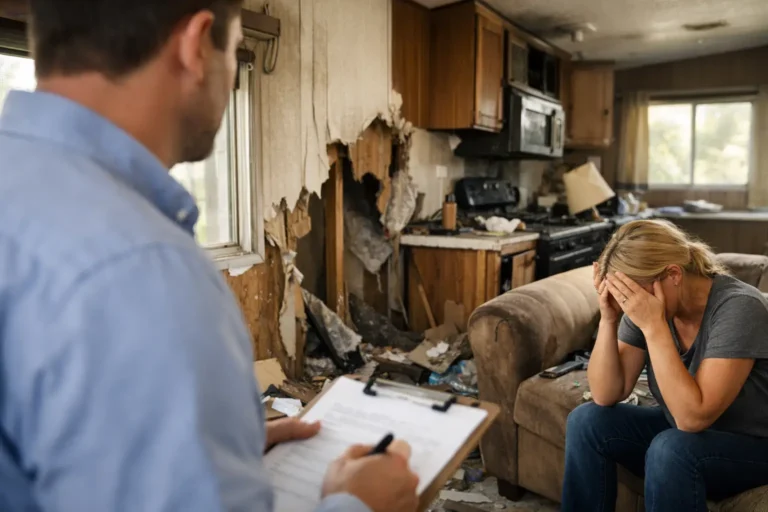
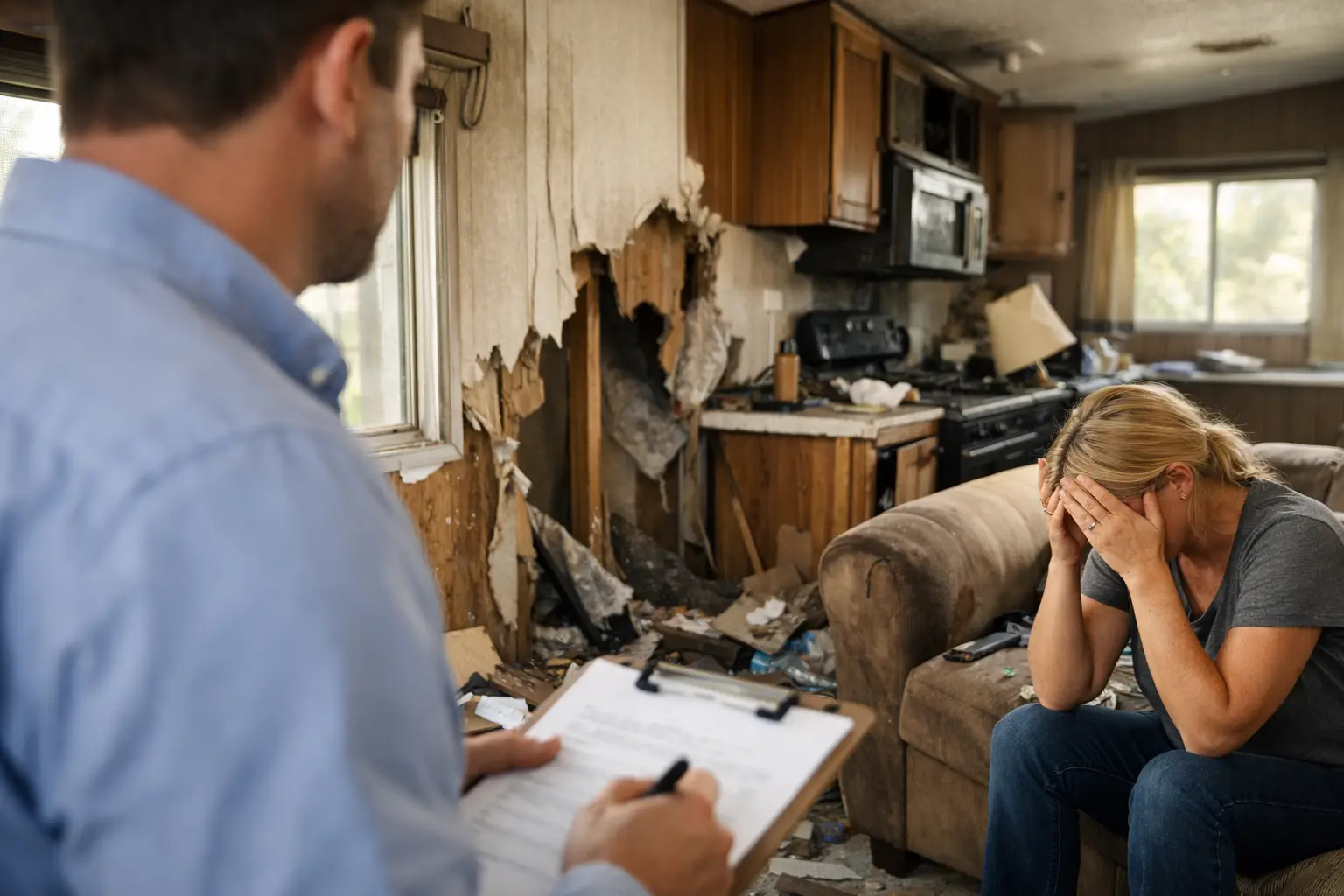
The first job is simple – document everything before anyone starts cleaning or hauling things away. Take clear photos of every room, the exterior, the underbelly if accessible, and any specific problem areas like roof leaks, busted windows, plumbing damage, or holes in the walls. If the tenant left trash, personal property, or signs of unauthorized pets, photograph that too.
This matters for more than one reason. You may need proof for a security deposit claim, a dispute, an insurance conversation, or a future buyer who wants to understand the condition. In mobile homes, damage is often deeper than what shows up in the first walk-through. A broken toilet can mean floor rot. A roof leak can mean mold in the ceiling cavity. Missing skirting can expose plumbing and insulation problems underneath.
If utilities are still on, check water, electrical outlets, HVAC, and major appliances carefully. If they are off, do not assume the systems are fine. In manufactured housing, deferred maintenance and tenant abuse can stack up quickly, and small issues often point to larger repair costs.
Figure out whether it is cosmetic or structural
Not all damage hits the same. Scuffed walls, torn carpet, and dirty cabinets are one level of problem. Floor soft spots, broken subfloors, roof leaks, damaged plumbing lines, electrical issues, or vandalized HVAC systems are another.
That difference drives your next move. Cosmetic damage may be worth fixing if the home is in a good location, the title is clean, and resale demand is strong. Structural or system damage changes the math. Once you add labor, materials, hauling, park compliance, and the time it takes to manage contractors, a cheap-looking fix can become an expensive project.
This is where many owners get stuck. They compare repair costs to a best-case resale number and forget the holding costs in between. Lot rent, taxes, insurance, vacancy risk, cleanup, permit issues, and time all count. If the home is older, in a park with strict rules, or needs title work, the margin can disappear fast.
Check your lease, deposit, and paper trail
Before you make any big decision, gather your file. That usually means the lease, move-in inspection, payment history, maintenance records, notices, and security deposit details. If you had a written agreement and documented the home well at move-in, you are in a stronger position.
Still, collecting from a former tenant is often harder than proving the damage. Even if you can charge the deposit or pursue the tenant, that does not put the home back in sale-ready condition today. For many owners, especially those dealing with a vacant unit, park pressure, or distance from the property, the practical question is not whether the tenant was wrong. It is how to stop the financial bleeding now.
If the home is in a mobile home park, review any park notices as well. Some parks move quickly when a home looks abandoned or damaged. You may be dealing with lot rent deadlines, appearance violations, or occupancy restrictions that affect whether you can re-rent, repair in place, or sell the home to someone else.
When a tenant damaged mobile home is worth repairing
Sometimes repair is the right move. If the home is newer, in a desirable park or on private land, and the damage is mostly cosmetic, putting money into cleanup and basic rehab may improve your return. The key is being honest about scope.
Get real numbers, not guesses. Price out flooring, wall repair, plumbing, roofing, HVAC, appliance replacement, debris removal, and labor. Add a cushion because older mobile homes often reveal hidden issues once work starts. Then compare that full number against what similar homes are actually selling for in your area, not what people are asking online.
Repair can make sense if you have time, cash, and a predictable exit. It makes less sense if you are already behind on lot rent, managing the property from another city, dealing with title issues, or trying to avoid a drawn-out process.
When selling as-is makes more sense
For many owners, the better option is to sell the home as-is and move on. That is especially true when the tenant damage is part of a bigger problem – unpaid lot rent, code issues, inherited property, vacancy, or a home that needs more work than you want to manage.
A direct sale can remove several headaches at once. You do not have to clean everything out, fix the damage, list with an agent, coordinate showings, or hope a retail buyer can get approved. In the mobile home space, those details matter. Traditional buyers often get nervous about older homes, title problems, park approval, or the logistics of moving a home if it cannot stay where it is.
Selling as-is is not about pretending the damage does not matter. It is about pricing the home based on reality and choosing certainty over delay. If speed matters more than squeezing out every last dollar, an as-is cash sale is often the cleaner path.
The biggest mistakes owners make after tenant damage
One mistake is spending money too fast without a clear exit plan. Owners often start with cleanup, then replace a few things, then discover mold, subfloor damage, or plumbing leaks. The budget keeps growing, but the resale value does not always follow.
Another mistake is waiting too long. A damaged vacant home usually gets worse, not better. Water intrusion, pests, theft, and park pressure can make a bad situation more expensive within weeks.
A third mistake is assuming every buyer will handle a problem home. Many will not. Mobile homes with damage, title issues, old age, or park complications need a specialist buyer or a very targeted sale process. That is why owners across the Triad often look for a straightforward cash option instead of trying to force a retail listing that may not fit the property.
What buyers will want to know
If you decide to sell, expect a serious buyer to ask practical questions. Is the title available and in your name? Is the home in a park or on private land? Is lot rent current? Can the home stay on the lot, or would it need to be moved? What major damage is present? Are there leaks, floor issues, missing systems, or unpaid taxes?
The more direct you are, the smoother the process tends to be. You do not need to fix the problems first, but you do need to describe them honestly. Good buyers have seen rough homes before. Hidden surprises cause more trouble than visible damage.
If you are in Central North Carolina and want speed, this is where working with a local mobile home buyer matters. A company like Triad Mobile Homes LLC can look at the home, factor in the real condition, and tell you quickly whether an as-is cash offer makes sense. No pressure, no obligation, and no need to get the place showroom-ready first.
A simple way to decide
If you are unsure whether to repair or sell, use one standard: which option gets you the better outcome after time, cost, and stress are counted together?
If repairs are modest, your paperwork is clean, and the home has a clear resale path, fixing it may be worth it. If the tenant damage is heavy, the home is older, you are facing park deadlines, or you simply do not want to manage another project, selling as-is is often the smarter call.
You do not need a perfect property to move forward. You need a realistic plan. A damaged mobile home can still be sold, even with cleanup, title questions, or major repairs in the picture. The sooner you get clear on condition and options, the sooner you can stop carrying a problem that is no longer serving you.
The best next step is usually the simplest one – get the facts, get a real number, and choose the path that lets you move on with less risk and less delay.